Key Takeaways
- Meta bans ads that assert or imply a viewer’s health status, age, disability, or other personal attributes, so medical ads must promote services and appointments, not conditions or guaranteed outcomes.
- Instant forms may collect names, contact details, preferred location, and appointment times, but never symptoms, diagnoses, medications, test results, or insurance details. Prescription drug ads need Meta’s written authorization.
- Compliant ads across family medicine, physiotherapy, dermatology, women’s health, mental health, and preventive screening typically name the service and location, focus on the care offered, and invite a general appointment request.
- Effective strategies include a three-stage funnel from awareness to appointment, separate campaigns per service line, and tracking that keeps clinical data out of the Meta Pixel and Conversions API.
- At GetHookd, we show which medical ads competitors are putting real budget behind and where that traffic goes, so you can model creative for your practice or your healthcare clients that has already cleared Meta’s review.
What Makes a Medical Facebook Ad Pass Meta’s Review?
Whether you run ads for your own clinic or manage healthcare clients at an agency, medical Facebook ads pass review when they describe the practice and its services, then leave viewers to decide whether those services apply to them. The restriction that catches most practices targets assumptions about the viewer, so a dermatology clinic can promote skin consultations but cannot suggest the viewer has acne.
A breach can sit anywhere in the creative, from the headline to a caption on the image, and it covers pain, anxiety, weight, and named diagnoses alike. Learning those limits through rejected ads can take weeks, so the examples and strategies below start with formats that have already cleared review.
GetHookd shortens that learning curve with data from 65M+ analyzed ads, showing the hooks and landing pages behind medical campaigns competitors are actively scaling.

GetHookd: Turn Competitor Intelligence Into Your Next Winning Ad
GetHookd reveals which ads your competitors are actively scaling, not just running. Spy on their best-performing creatives, landing pages, and traffic strategies, then turn proven concepts into testable campaigns in seconds with AI-powered script generation and creative cloning.
What You Get:- ✓ Brand Spy to decode competitor ad strategies in real-time
- ✓ AI script generation and ad cloning for instant variations
- ✓ Performance scoring based on actual ad behavior, not vanity metrics
- ✓ Creative Analyzer to identify and scale your top performers
What Are the Meta Restrictions on Facebook Ads for Medical Practices?
Facebook Bans Ads That Imply a Viewer’s Health Condition
Meta’s core healthcare restriction has nothing to do with the service itself and everything to do with assumptions. The platform does not allow ads that assert or imply personal attributes about the viewer, including health information, physical or mental conditions, age, race, religion, disability, or financial status.
What Lead Forms Can & Cannot Ask Patients
Meta instant forms help collect scheduling inquiries, but they aren’t built for clinical intake. Practices cannot use these forms to ask for symptoms, diagnoses, medication lists, test results, medical records, or insurance information. Such forms can only ask for general information, such as name, phone number, email address, preferred clinic location, preferred appointment day or time, and general service category.
Prescription Drug Ads Require Meta’s Written Authorization
Meta does not allow ads promoting the sale or use of prescription drugs without prior written authorization from the platform. Even approved advertisers face geographic limits. As a result, most practices find the simplest path is to advertise the consultation rather than the medication. Instead of naming a specific drug, describe the appointment type.
Facebook Removes Ads That Guarantee or Exaggerate Results
Meta removes claims that are exaggerated, unverifiable, or inconsistent with professional advertising standards, regardless of specialty. Language that reflects individualized care is less likely to be flagged by Meta’s review systems and tends to land better with patients used to overhyped health marketing.
6 Compliant Facebook Ad Examples by Specialty
1. Family Medicine Appointment Ad
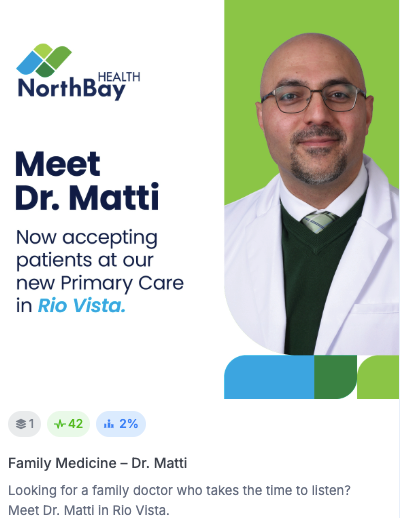
This ad type introduces a primary-care clinic and invites local users to request appointment information, without referencing any specific condition. It emphasizes the quality of care and attention, encouraging the audience to seek the facility’s services.
Why It Works
It names the practice, the service category, and the city, then routes interest toward a general appointment request rather than a diagnosis-specific hook.
2. Physiotherapy Service Ad
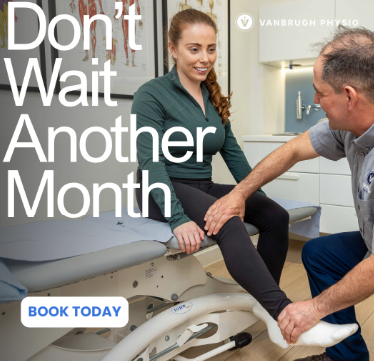
This format promotes physiotherapy assessment and rehabilitation services broadly, rather than targeting a specific injury or condition. The visuals are simple and clear, and a bold CTA button directs the audience toward the next step without ambiguity.
Why It Works
The copy stays focused on what the clinic provides, and the creative shows movement-based care in a treatment setting without implying the viewer has an existing injury.
3. Dermatology Consultation Ad
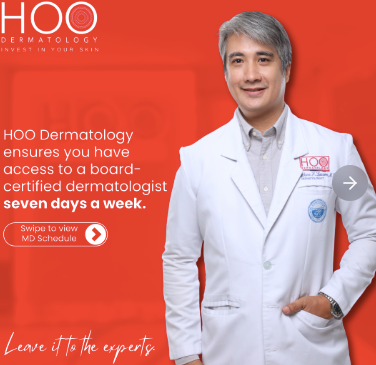
This ad promotes dermatology consultations for a range of skin, hair, and nail concerns without naming or implying a specific diagnosis the viewer may have. It also emphasizes consistent availability, which encourages prospects to book whenever it suits them.
Why It Works
Because the language covers a broad service category, it avoids the personal-attribute trigger that flags ads that directly reference acne, eczema, or other named skin conditions.
4. Women’s Health Services Ad
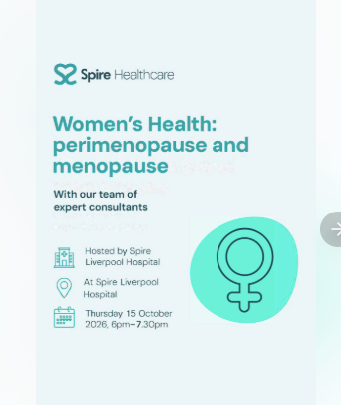
This ad type covers a bundle of women’s health services, including perimenopause, menopause support, and hormone-related discussions, framed as available services rather than symptoms. It uses a carousel format and clearly provides an address and walk-in appointment times, making it easy for prospects to take action without clicking the ad.
Why It Works
Grouping several service lines under one ad lets the practice reach a broader audience without the copy implying which service the viewer needs.
5. Mental Health Services Ad

This ad promotes mental-health assessment, counseling, and treatment services generally, rather than referencing depression, anxiety, or any specific diagnosis. It also frames itself as an educational resource that draws the reader in with the promise of more information.
Why It Works
Mental-health advertising sits close to Meta’s strictest enforcement area, so keeping the copy centered on the service, the clinician, and the appointment process helps keep the ad approved.
6. Preventive Screening Ad

This ad type promotes a screening service, such as a general health check or age-appropriate screening, framed around eligibility and access rather than presumed risk. The copy poses a question that piques the reader’s interest and encourages them to click the ad.
The question should be about the service, never about the viewer’s health or risk; “Are you at risk for…?” is a common rejection trigger.
Why It Works
Positioning the screening as informational and eligibility-based, rather than warning the viewer about a specific risk, keeps the copy within Meta’s personal-attribute guidelines.
Strategies for Creating Medical Facebook Ads
Build an Education-to-Appointment Ad Funnel
Healthcare decisions usually involve more consideration than a typical retail purchase, so a single “book now” ad rarely performs on its own. A three-stage funnel gives prospective patients time to build trust before committing to an appointment.
- Awareness: Meet-the-doctor videos, clinic tours, “what to expect at your first visit” content, general educational videos, and community event or webinar promotion.
- Consideration: Service page visits, clinician bio pages, appointment-format details, and educational articles covering insurance, referrals, and pricing.
- Conversion: Appointment-request ads, click-to-call ads, message ads for scheduling questions, and retargeting aimed at people who viewed a non-sensitive service or appointment page.
Structure Separate Campaigns for Each Service Line
Bundling every service into a single campaign makes it hard to track what works and complicates compliance review, since different services carry different sensitivity levels.
A cleaner structure creates a separate campaign or ad set for each major service line, such as primary care, physiotherapy, dermatology, women’s health, mental-health services, preventive screening, specialist consultation, dental services, and telehealth.
Set Up a Compliant Lead Form
A well-built lead form should read like a scheduling request, not a medical questionnaire. Many advertisers place qualifying questions, like preferred location or service type, before contact fields. This filters out casual clicks and gives your front desk the context it needs before the first callback.
Every lead generated this way still needs a fast, organized response process. Send an immediate confirmation, have authorized staff reply during stated business hours, and move any clinical questions to a secure channel to keep the workflow compliant and responsive.
Track Ad Performance Without Sending Health Data to Meta
The Meta Pixel and Conversions API connect a practice’s website activity directly to Meta’s ad-optimization systems, making them powerful and risky at the same time. Never pass diagnoses, symptoms, test results, medication names, or any appointment type or URL parameter that reveals a specific medical condition through these tools.
In the US, sending protected health information through these tools can create HIPAA exposure, and in the EU, health data counts as special-category data under GDPR, which requires explicit consent.
Safe metrics to track instead include reach, impressions, frequency, video views, website clicks, landing-page views, appointment requests, phone calls initiated, cost per inquiry, inquiry-to-booked-consultation rate, and cost per booked appointment.
See Which Medical Ads Already Pass Review With GetHookd
Meta gives medical practices a narrow path. Ads describe services rather than the viewer’s health, lead forms stick to scheduling details, and clinical data stays out of tracking. Practices that build around those limits give their ads a better chance of clearing review and booking appointments, though what works in one specialty won’t always carry over to another.
The Facebook Ad Library shows you which medical ads are live, but not which ones are working. We designed GetHookd to fill that gap, showing which ads competitors are actively scaling, the landing pages that take the traffic, and the hooks that do the work, across 65M+ analyzed ads. Try GetHookd to see what is already working before you commit a budget.
Frequently Asked Questions (FAQs)
What are some effective marketing strategies for health care?
Effective healthcare marketing strategies include structuring campaigns by service line, building an education-to-appointment funnel, and using clinician-led video content. Practices should also track appointment-related outcomes like cost per booked appointment rather than relying only on impressions or clicks to measure success.
What categories are restricted in Meta Ads?
Meta restricts ads that assert or imply personal attributes about the viewer, including health information, physical or mental conditions, age, race, religion, disability, or financial status. Prescription drug advertising also requires prior written authorization and is limited to specific countries.
What is the best strategy for Facebook Ads?
The best strategy for medical Facebook ads uses a staged funnel: awareness, consideration, then conversion, with service-specific campaigns and landing pages. This structure builds trust before asking for an appointment and lets you accurately track which service lines generate bookings.
What is not allowed on Facebook Ads?
Facebook does not allow ads with condition-implying language, sensitive health questions in lead forms, unauthorized prescription drug promotion, or exaggerated claims like guaranteed cures or 100% success rates. Ads should describe services and next steps, not presumed diagnoses or outcomes.
How can GetHookd help me create compliant Facebook ads for my medical practice?
GetHookd’s Brand Spy shows which ads practices in your specialty are putting budget behind and where that traffic lands, so you can study creative that has already passed Meta’s review. Ads Transcription pulls the hooks and copy from video ads, the AI script generator builds variations you can adapt to your services, and Clone Ads turns a compliant image ad into new versions in different formats and styles. Once your ads are live, Creative Analyzer helps you identify which ones to scale.
*Note: Pricing and/or product availability mentioned in this post are subject to change. Please check our website for current pricing and stock information before making a purchase.