Key Takeaways
- Effective health insurance ad examples that work under Meta’s restrictions include plan-comparison carousels, licensed-agent introductions, educational ads, and customer testimonials.
- Carousels place coverage tiers side by side, while licensed-agent introduction ads name the agent and explain what a consultation involves, aligning with the transparency CMS (Centers for Medicare & Medicaid Services) requires of Marketplace agents.
- Educational ads explain terms and costs without pitching, warming an audience that now includes both first-time buyers and experienced shoppers in the same broad reach.
- Testimonial ads need specific figures, such as annual savings or switching time, because substantiated claims hold up where vague praise doesn’t.
- Drawing on a database of 65 million+ high-performing ads, GetHookd shows which hooks, angles, and formats insurance advertisers are scaling right now, giving you a proven angle to start with instead of guessing.
What Makes a Facebook Health Insurance Ad Effective?
Facebook health insurance ads perform best when the creative carries the weight, not audience targeting. Since Meta folded every insurance product into its Special Ad Category, media buyers and agencies running insurance accounts can no longer rely on narrow age brackets, lookalike audiences, and ZIP code segments.
What remains is a level playing field where the hook, the proof, and the clarity of the offer decide who converts. Some examples you can draw inspiration from include plan-comparison carousels, licensed-agent introductions, educational ads, and customer testimonials.
Getting this wrong costs more than budget: with no targeting to filter audiences, a weak hook reaches everyone from first-time buyers to Medicare-age shoppers. At GetHookd, our tool helps advertisers see which health insurance creatives are already gaining traction in the Meta (Facebook) Ad Library, giving new campaigns a proven starting point instead of a blind guess.

GetHookd: Turn Competitor Intelligence Into Your Next Winning Ad
GetHookd reveals which ads your competitors are actively scaling, not just running. Spy on their best-performing creatives, landing pages, and traffic strategies, then turn proven concepts into testable campaigns in seconds with AI-powered script generation and creative cloning.
What You Get:- ✓ Brand Spy to decode competitor ad strategies in real-time
- ✓ AI script generation and ad cloning for instant variations
- ✓ Performance scoring based on actual ad behavior, not vanity metrics
- ✓ Creative Analyzer to identify and scale your top performers
4 Facebook Ad Examples That Work for Health Insurance
1. Plan-Comparison Carousel Ads
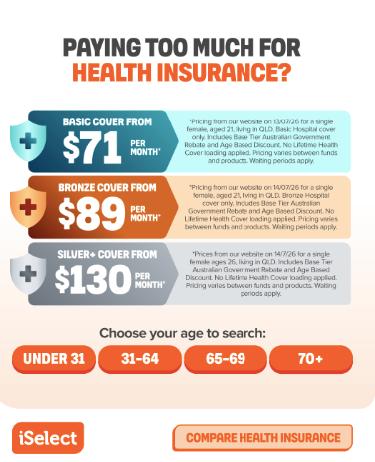
A plan-comparison carousel puts three or four coverage tiers side by side in a single ad unit, with each card showing a different plan’s premium, deductible, provider network, and prescription coverage.
Every card links to its own landing page, so a shopper comparing a bronze plan against a gold plan can click straight to the details that matter to them.
Why It Works
Carousel and comparison ads recreate some of the targeting precision Meta’s Special Ad Category removed.
Instead of an algorithm deciding who sees a bronze-plan ad versus a gold-plan ad, the shopper does that work themselves by clicking the card that matches their budget or coverage needs.
2. Licensed-Agent Introduction Ads
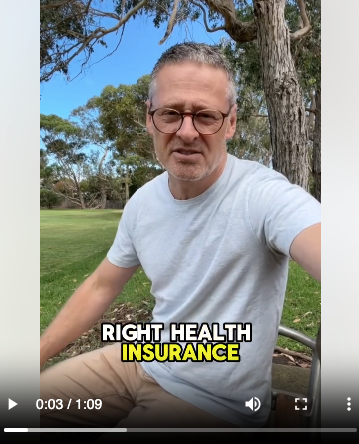
A licensed-agent introduction ad puts a real, named agent on camera or in the creative and clearly states which states they’re licensed in and what type of coverage they discuss.
The ad walks through what a consultation actually looks like, whether that’s a phone call, a screen-share plan comparison, or an in-person meeting, so the viewer knows what they’re opting into before they click.
Why It Works
Naming the agent and their licensing status builds trust that a faceless brand account can’t, and it aligns with the transparency CMS asks of agents and brokers who sell Marketplace plans.
3. Educational Ads
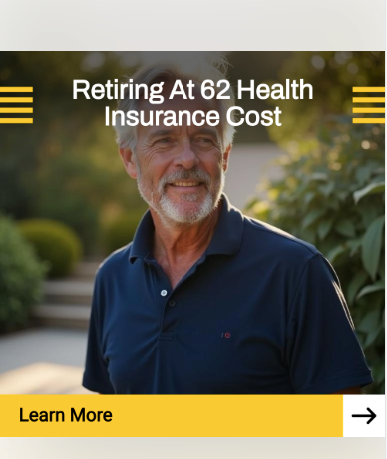
An educational ad answers a question or breaks down complex health insurance terms. It could be a carousel ad or a static ad with a CTA that leads readers to an informative page. It works well as a top-of-funnel ad that warms up an audience before an agent-introduction ad reaches them later in the sequence.
Why It Works
Educational content builds the goodwill that pure sales messaging doesn’t, which matters now that broad targeting means the same ad reaches both first-time buyers and people who’ve shopped for coverage for years.
4. Customer Testimonial Ads
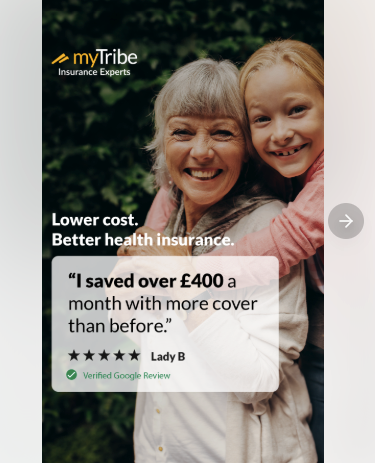
A testimonial ad works best when it trades vague praise for a specific number: “$400 saved per year” or “switched plans in 10 minutes” carries more weight than “great service, highly recommended.” UGC video testimonials and static, text-based ads both drive engagement and conversion.
Why It Works
Specific figures and timelines make a testimonial feel verifiable rather than scripted. They also keep the claim easy to substantiate, so present any savings as one customer’s result, not an outcome every customer can expect. At GetHookd, our Ads Transcription feature pulls the exact wording from a competitor’s video testimonial, so you can see which savings claims and hooks they lead with.
Examples of Facebook Ads for Health Insurance: Summary Table
| Ad Format | What It Shows | Best Use Case |
| Plan-Comparison Carousel | Three or four coverage tiers with premium, deductible, network, and prescription details, each card linked separately | Agencies presenting several coverage options in one campaign |
| Licensed-Agent Introduction | A named agent on camera, their licensed states, coverage types discussed, and what a consultation involves | Building trust before asking for contact details |
| Educational Ad | A term explained, or a question answered, linking to an informative page | Top of funnel, warming audiences ahead of agent-led ads |
| Customer Testimonial | A real customer citing a specific figure, such as an annual saving or switching time | Converting shoppers weighing one provider against another |
Best Practices for Creating Effective Health Insurance Facebook Ads
- Keep video Facebook ads under 45 seconds with a clear problem statement in the first three seconds, an explanation in the middle, and one call-to-action at the close.
- Add subtitles to every video ad, since many Facebook users watch with sound off.
- Use on-camera footage from real agents instead of stock animation wherever possible to build trust faster.
- Track cost per qualified appointment rather than cost per form submission, since a cheap lead that never books a call isn’t a useful metric.
- Review lead-generation partners’ data practices and avoid leads that get resold to multiple agents.
See Which Health Insurance Ads Are Actually Scaling With GetHookd
The Special Ad Category took away most of the levers insurance advertisers used. You cannot narrow by age or ZIP code, and the same creative now reaches a 26-year-old buying their first plan and a 64-year-old approaching Medicare. Creative has to do the sorting that targeting used to handle, which raises the cost of getting it wrong.
That is what makes competitor visibility worth having. At GetHookd, we show which health insurance ads are being actively scaled, which landing pages they’re driving traffic to, and which hooks keep showing up across scaled creatives. Performance Scoring ranks ads on real-world behavior, and Creative Analyzer helps you spot and scale top performers, so you can clone a proven format or generate new hooks and scripts in minutes instead of guessing. Try GetHookd to see what’s working in health insurance ads today.
Frequently Asked Questions (FAQs)
What are some examples of health ads?
Common examples include plan-comparison carousels showing premiums and deductibles side by side, licensed-agent introduction videos, coverage-basics educational carousels explaining terms like copay and coinsurance, and customer testimonials citing specific savings figures.
Can you run insurance ads on Facebook?
Yes, but since January 2025, all insurance products fall under Meta’s Special Ad Category for Financial Products and Services. This removes lookalike audiences, ZIP code targeting, and narrow age brackets, and restricts campaigns to a broad 18-to-65-plus age range.
How do I attract customers for insurance?
Lead with clarity and proof rather than broad reach. Specific testimonials with real savings numbers, short video explainers with subtitles, and carousel ads that let shoppers self-select their plan tier all outperform generic messaging. Pairing that creative with a fast, simple appointment-request form that asks only for name, state, and contact preference turns interest into a scheduled call instead of a cold lead.
What are the best marketing strategies for insurance?
The strategies with the strongest track record combine education and proof: coverage-basics content that removes confusion, licensed-agent introductions that build trust, and testimonials backed by specific numbers rather than vague praise.
How can GetHookd help me create more effective health insurance ads?
GetHookd’s Explore Ads gives you access to 65 million+ ads from the Meta (Facebook) Ad Library, and Brand Spy shows which health insurance creatives specific competitors are actively scaling. That visibility means you don’t have to build a plan-comparison carousel or a testimonial ad from scratch.
Our platform’s AI features let you transcribe a winning video, generate new hooks and scripts, and clone ads into variations in different formats or styles within minutes. Performance Scoring ranks each ad on real-world ad behavior instead of vanity metrics, and Creative Analyzer helps you identify and scale your top performers.
*Note: Pricing and/or product availability mentioned in this post are subject to change. Please check our website for current pricing and stock information before making a purchase.