5 Effective Facebook Retargeting Ad Examples & Strategies
Key Takeaways
- The five most effective Facebook retargeting ad types are abandoned cart ads, dynamic product ads, social proof retargeting, post-purchase ads, and welcome offer ads, each designed to re-engage buyers at a specific stage of the funnel.
- Abandoned cart campaigns perform best as a three-touch sequence: a reminder within the first hour, a soft incentive at 24 hours, and a final urgency-driven message between 48 and 72 hours before purchase intent drops sharply.
- Dynamic Product Ads scale retargeting for large eCommerce catalogs by automatically matching each user’s browsing history to the right product, removing the need for manual creative production while keeping personalization intact.
- Social proof retargeting using UGC and customer reviews outperforms discount-led ads for three to fourteen-day audiences because trust, not price, is the primary barrier to conversion at that stage.
- GetHookd gives advertisers direct access to 65M+ Meta ads so you can see which retargeting creatives and offers competitors are already scaling before you commit your own budget.
Why is Facebook Ads Retargeting Effective?
The five most effective Facebook retargeting ad examples are abandoned cart ads, dynamic product ads, social proof retargeting, post-purchase ads, and welcome offer ads for first-time visitors. Each one targets a different stage of the buyer journey, and using the right strategy at the right moment is what separates campaigns that recover revenue from those that burn budget on audiences who were never going to return.
Facebook retargeting works by tracking user behavior on your website, app, or Facebook page using the Meta Pixel or Conversions API. Once collected, that data lets you build Custom Audiences based on specific actions and serve targeted ads to people who already know your brand. Because they are already familiar with your product, a well-timed retargeting ad does not need to introduce you from scratch. It only needs to give them a clear reason to come back and complete the action they left behind.
Knowing which creative and offer will actually convert for each audience is where most advertisers lose time and budget. GetHookd gives media buyers and eCommerce brands access to 65M+ high-performing Meta ads so you can study which retargeting formats and offers competitors are actively scaling before you spend on your own.

GetHookd: Turn Competitor Intelligence Into Your Next Winning Ad
GetHookd reveals which ads your competitors are actively scaling—not just running. Spy on their best-performing creatives, landing pages, and traffic strategies, then turn proven concepts into testable campaigns in seconds with AI-powered script generation and creative cloning.
What You Get:- ✓ Brand Spy to decode competitor ad strategies in real-time
- ✓ AI script generation and ad cloning for instant variations
- ✓ Performance scoring based on actual ad behavior, not vanity metrics
- ✓ Creative Analyzer to identify and scale your top performers
Top Facebook Retargeting Ad Examples
1. Abandoned Cart Retargeting
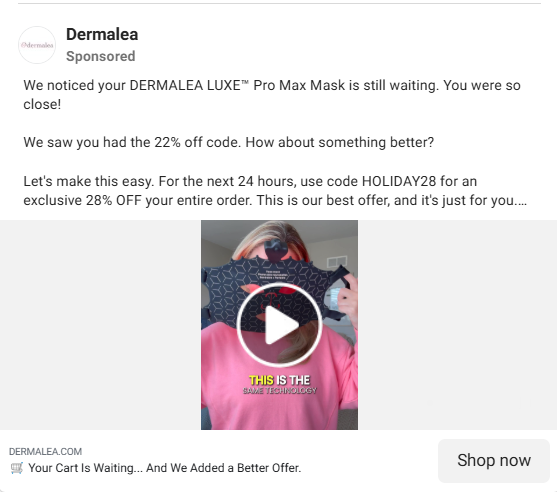
Cart abandoners are among the highest-intent audiences you can retarget. They already chose the product. They just did not finish.
A well-timed Facebook ad showing the exact item they left behind, paired with a compelling offer, is often all it takes to bring them back. A time-sensitive discount like “10% off, expires tonight” or a free shipping offer are the highest-converting approaches in this format.
Timing matters as much as the offer. The strongest sequences use a multi-touch approach: an initial reminder within the first hour, a second touch with a soft incentive at 24 hours, and a final urgency-driven ad at 48 to 72 hours. After that window, intent drops sharply, and your spend is better directed elsewhere.
2. Dynamic Product Ads: Show Each Shopper Exactly What They Browsed
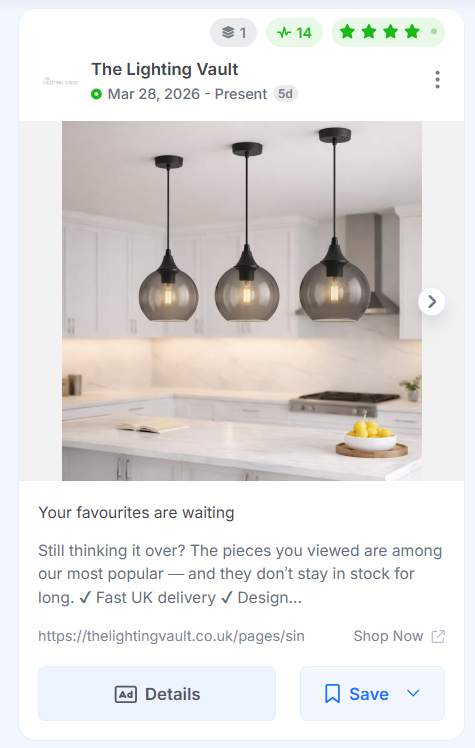
Dynamic Product Ads are the most scalable retargeting format Facebook offers. Instead of manually building individual ads for each product, you connect your catalog to Facebook and let the algorithm automatically pull in the exact items each user viewed, saved, or added to cart. The result is a fully personalized ad experience at scale without the creative production overhead.
To run Dynamic Product Ads, you need the Meta Pixel or Conversions API on all key pages, a product catalog synced inside Meta Business Manager, and a catalog sales campaign with your retargeting audience set to “Viewed or Added to Cart but Not Purchased.”
Once live, Facebook matches each user’s browsing history to the right product and automatically generates the ad creative. You can also layer in custom overlays showing discounts, low-stock warnings, or free shipping badges directly onto the product image without editing your creative asset.
3. Social Proof Retargeting: Use Trust to Close the Deal
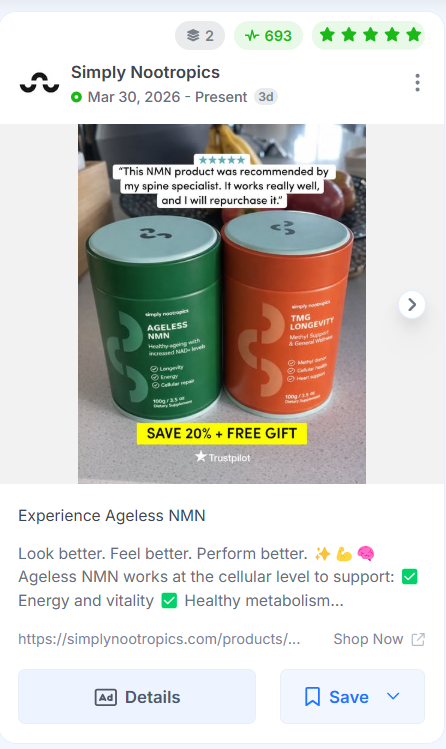
Some visitors do not convert because they are not sure enough. Social proof retargeting is built for this audience, serving ads that lead with trust signals rather than discounts.
Customer reviews, star ratings, user-generated content, press mentions, and testimonials all perform well in this format. The message is simple: other people bought this and loved it.
UGC-style creatives, where real customers film themselves using the product, tend to outperform polished studio productions in social proof retargeting campaigns. They feel authentic, which is exactly the point. Pair this creative format with a tight audience of three to fourteen-day website visitors for the strongest results.
4. Post-Purchase Retargeting
Your existing customers are your most valuable and most overlooked retargeting audience. Someone who already bought from you has cleared the biggest hurdle: trust. Post-purchase retargeting taps into that existing relationship to drive repeat purchases, upsells, and cross-sells at a fraction of the cost of acquiring new customers.
The two primary plays worth running simultaneously are cross-sell campaigns, which show buyers complementary products based on what they purchased, and replenishment campaigns for consumable products like supplements or skincare, which retarget past buyers 20 to 45 days after purchase with a restock reminder.
Always exclude recent purchasers from your cold and cart abandonment campaigns, and build separate Custom Audiences for 30, 60, and 90-day buyers so the messaging stays relevant to where each customer is in their journey.
5. Welcome Offer Retargeting for First-Time Visitors
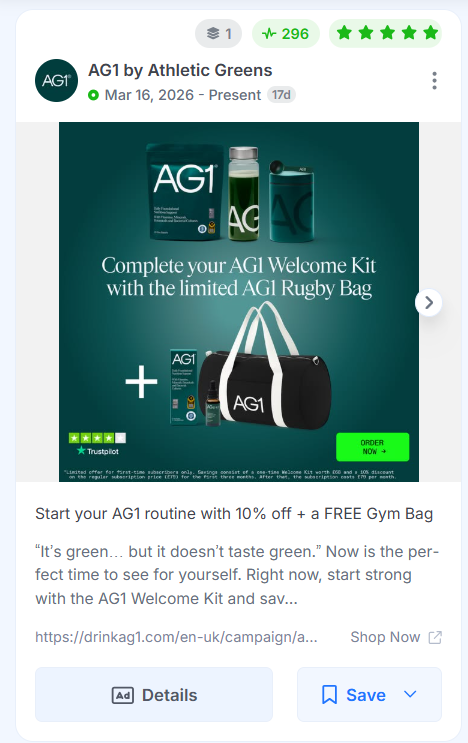
Not every new visitor is ready to buy on their first visit. Welcome offer retargeting targets people who visited your site within the last seven days but did not take any action. The goal is to give them a reason to come back and convert.
A time-limited welcome discount, typically 10 to 15% off a first purchase, is the most straightforward offer for this audience. Keep the creative clean, the offer front and center, and the landing page as frictionless as possible.
5 Facebook Retargeting Best Practices to Increase ROI
1. Always Keep at Least One Retargeting Campaign Running
You are already spending money to bring people to your site. At a minimum, keep one evergreen retargeting campaign live at all times, targeting recent website visitors who did not convert. This ensures your brand stays visible even when people do not immediately return.
2. Target Cart Abandoners With a Discount or Free Shipping Offer
Cart abandoners are your highest-intent audience. Use Dynamic Product Ads to show them the exact items still in their cart, and pair the creative with a specific, time-sensitive offer. Free shipping and a percentage discount are the two highest-converting incentives for this segment. Test both to find which performs better for your audience.
3. Use Dynamic Ads for Personalized Product Recommendations
Manual creative production does not scale for eCommerce stores with large catalogs. Set up your Meta Pixel, sync your product catalog through Meta Business Manager, and let the algorithm handle the personalization.
4. Control Ad Frequency to Prevent Audience Fatigue
Retargeting audiences are small by nature, which means your ads can saturate them quickly. Monitor frequency metrics inside Meta Ads Manager closely and aim for between two and five impressions per week per user. Rotate your content every two to three weeks to maintain engagement without burning out your audience.
5. Track Profitability at the Campaign and Audience Level
A retargeting campaign can show strong ROAS on the surface while actually cannibalizing organic conversions from people who would have returned anyway. Track cost per purchase, ROAS, frequency, and click-through rate at the ad set level rather than blended across the account. Evaluate each audience window independently and allocate budget where the actual returns justify the spend.
Effective Facebook Retargeting Ad Examples: Summary Table
| Retargeting Strategy | Key Offer | What Makes It Work |
| Abandoned Cart Retargeting | Time-sensitive discount or free shipping | References the exact product left behind and creates urgency with a deadline |
| Dynamic Product Ads | Personalized product recommendations | Automatically matches each user’s browsing history to the right product at scale |
| Social Proof Retargeting | Reviews, UGC, and testimonials | Builds the trust needed to convert visitors who liked the product but were not sure enough |
| Post-Purchase Retargeting | Cross-sell, upsell, or replenishment offer | Uses existing trust to drive revenue at a lower cost than new customer acquisition |
| Welcome Offer Retargeting | First-order discount or bundled incentive | Gives new visitors one clear reason to return and complete their first purchase |
Power Up Your Facebook Retargeting with GetHookd
The five Facebook retargeting examples and strategies here each target a distinct stage of the buyer journey. The strongest results come from matching the right creative and offer to each audience, and knowing what already converts in your niche before you spend.
At GetHookd, we give you direct access to 65M+ Meta ads to see which retargeting creatives and offers competitors are actively scaling. Our Brand Spy, Video Scripts, and Clone Ads features take you from research to finished creative fast. Start your free trial to run smarter Facebook retargeting today.
Start your free trial and run smarter Facebook retargeting ads today.
Frequently Asked Questions (FAQs)
What is the difference between Facebook retargeting and remarketing?
Retargeting refers to paid ad campaigns that use pixel data or custom audiences to serve ads to past visitors on Facebook.
Remarketing typically refers to re-engagement via email. In practice, the most effective strategies combine both channels, with email remarketing sequences running alongside Facebook retargeting ads for maximum reach and recall.
How much should I budget for Facebook retargeting ads?
Retargeting audiences are smaller than prospecting audiences, so you do not need a large budget to maintain consistent exposure. A general starting point for small to mid-sized eCommerce brands is $10 to $30 per day per retargeting ad set.
Monitor your frequency metric closely and pull back spend or expand your audience window if you are exceeding 5 impressions per user per week.
How long should my Facebook retargeting audience window be?
A seven-day window captures your hottest, most recent visitors and works best for abandoned cart campaigns. A 14 to 30-day window suits higher-consideration purchases where buyers take longer to decide.
For most eCommerce brands, running two separate ad sets simultaneously, one targeting zero to seven-day visitors and one targeting eight to 30-day visitors with different ads and offers, gives the best coverage across the full consideration window.
What ad formats work best for Facebook retargeting?
Dynamic Product Ads in carousel format are the top performer for product-specific retargeting since they automatically pull in the exact items a user browsed. For social proof campaigns, video ads outperform static images because they allow enough time to build trust before the call to action.
Before deciding which format to lead with, GetHookd lets you search 65M+ ads across Meta to see which retargeting formats and creative approaches competitors in your niche are actively scaling.
*Note: Pricing and/or product availability mentioned in this post are subject to change. Please check our website for current pricing and stock information before making a purchase.