
7 Best UGC Video Ads: Examples to Try in 2026
Key Takeaways
- UGC video ads outperform polished creative because they feel native to the feed, and the moment the content looks produced, it gets treated as an ad.
- Some of the best UGC video ads include unboxing reactions, testimonials, and before-and-after transformations, each built around a different mechanism for earning trust before asking for the sale.
- The first two to three seconds determine whether the rest of the video gets watched: hook structure matters more than production value.
- The best UGC video ads follow a simple structure: a relatable hook, an honest demonstration, and a CTA that sounds like a recommendation rather than a pitch.
- GetHookd’s Explore Ads and Brand Spy show which UGC formats competitors are actively scaling on Meta, so every brief is grounded in real performance data rather than guesswork.
Why UGC Video Ads Work in 2026
UGC video ads work because they do not look like ads. Filmed on phones, set in real environments, and delivered in a conversational tone, they blend into the feed rather than interrupt it.
The best-performing formats include unboxing reactions, before-and-after transformations, product demos in real-life settings, talking head testimonials, day-in-the-life videos, and tutorial-style content.
The brands getting the most from UGC are doing more than producing content. They are studying which formats, hooks, and styles are already performing in their niche. Below are the best UGC video ads, each with a breakdown of what makes it effective and how to apply it.

GetHookd: Turn Competitor Intelligence Into Your Next Winning Ad
GetHookd reveals which ads your competitors are actively scaling—not just running. Spy on their best-performing creatives, landing pages, and traffic strategies, then turn proven concepts into testable campaigns in seconds with AI-powered script generation and creative cloning.
What You Get:- ✓ Brand Spy to decode competitor ad strategies in real-time
- ✓ AI script generation and ad cloning for instant variations
- ✓ Performance scoring based on actual ad behavior, not vanity metrics
- ✓ Creative Analyzer to identify and scale your top performers
GetHookd: Turn Competitor Intelligence Into Your Next Winning Ad
65M+ Ads Analyzed | 4.8★ G2 Rating | 4.5★ Trustpilot Rating
Stop Guessing. Start Scaling:
GetHookd reveals which ads your competitors are actively scaling—not just running. Spy on their best-performing creatives, landing pages, and traffic strategies, then turn proven concepts into testable campaigns in seconds with AI-powered script generation and creative cloning.
What You Get:
- ✓ Brand Spy to decode competitor ad strategies in real-time
- ✓ AI script generation and ad cloning for instant variations
- ✓ Performance scoring based on actual ad behavior, not vanity metrics
- ✓ Creative Analyzer to identify and scale your top performers
7 Best UGC Video Ads
1. Unboxing & First Reaction Videos
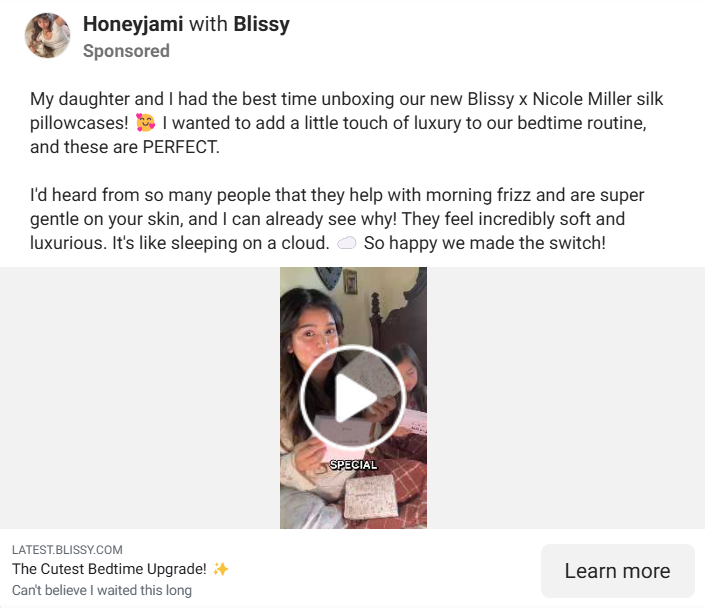
Unboxing videos work because genuine first reactions cannot be faked, and viewers know it. When a creator opens a package in real time and reacts honestly, that authenticity translates directly into purchase intent for people on the fence about the same product.
The best versions close on a sensory detail, the weight, the texture, the packaging quality, that a product page photo simply cannot communicate.
How to apply it: Keep it unscripted. Lead with why you ordered it, not the brand name. End on one specific detail that makes the product feel tangible through a screen.
2. Before & After Transformation Videos
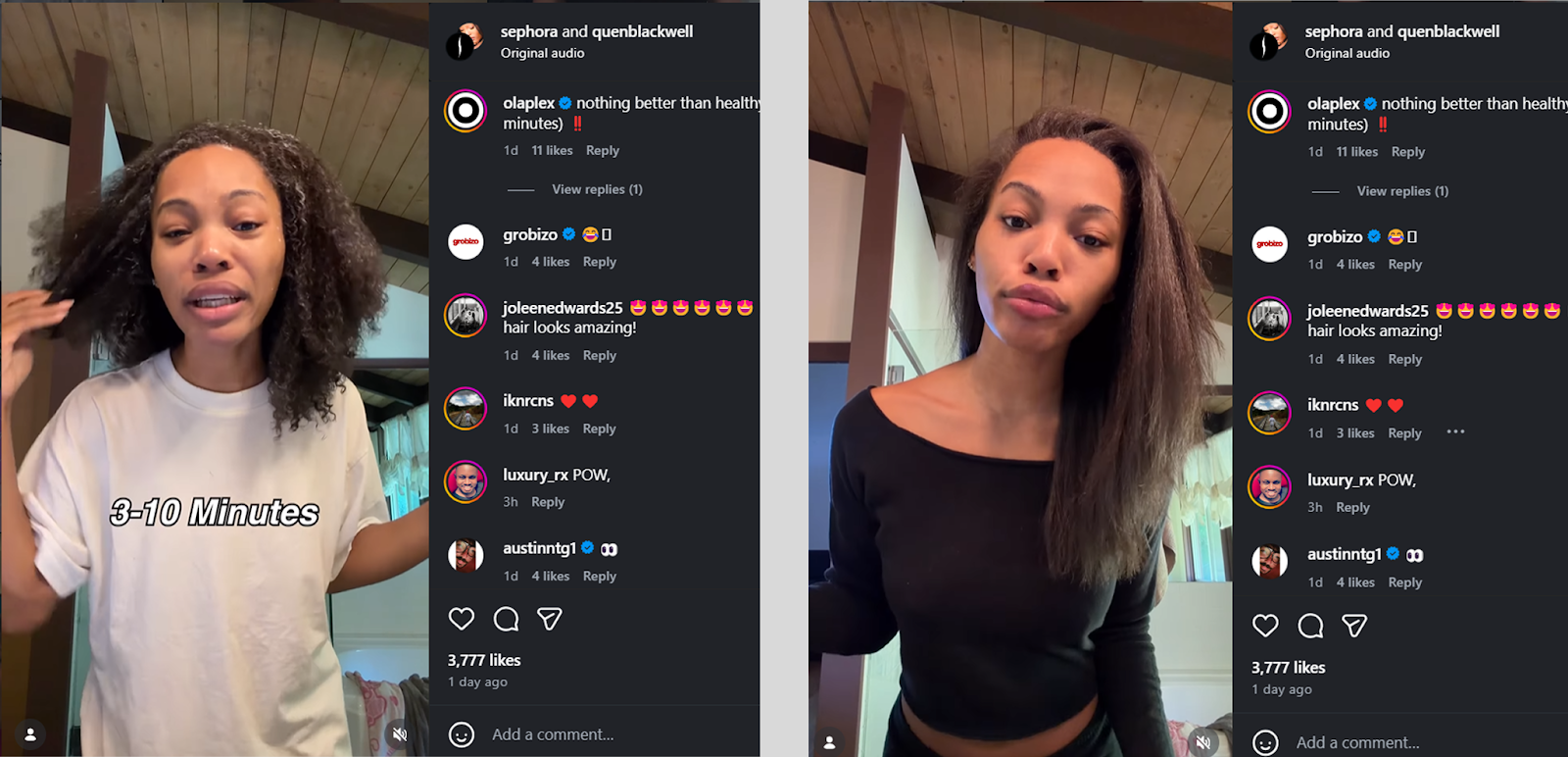
Before-and-after content is one of the oldest persuasion formats in advertising, and in UGC video forms, it hits harder than ever. The format works across skincare, fitness, hair care, home organization, and cleaning products, anywhere a visible result can be shown.
What makes UGC before-and-after ads uniquely powerful is the credibility of the person showing the transformation. When a real customer documents their own journey with honest commentary and a real timeline, it is far more believable than a polished campaign with a “results not typical” disclaimer.
How to apply it: The starting point and the process in between are what make the transformation believable, so document them honestly and let the creator’s own words carry the story rather than a voiceover or text overlay.
3. Product Demo in Real-Life Settings
A product demo filmed in a real kitchen, garage, or gym carries a weight that a studio demonstration cannot match. The environment does half the selling. When viewers see a product performing in a context that mirrors their own life, the mental leap from “interesting product” to “I could use that” shrinks dramatically.
The strongest real-life demo UGC ads solve a specific problem on camera. Broad appeal is the enemy of great UGC creative. Niche scenarios consistently outperform generic ones because specificity is what drives the click.
How to apply it: Put the product in the messiest, most relatable version of the environment it belongs in. The more the setting mirrors the viewer’s actual life, the less selling the creator has to do.
4. Talking Head Testimonial Videos
One person, speaking directly to the camera about their experience. The viewer is reading micro-expressions and making an instinctive judgment about whether the person is being genuine, which is exactly why it works so well when the creator actually is.
First takes with natural pauses, stumbled words, and unscripted reactions will outperform polished deliveries because audiences recognise the difference between a rehearsed script and a genuine thought.
How to apply it: Brief creators to lead with the specific problem they had, the specific reason they were skeptical, and the specific result they got. Then remind them that the stumbles and pauses are what make it worth watching.
5. Day-in-the-Life Videos
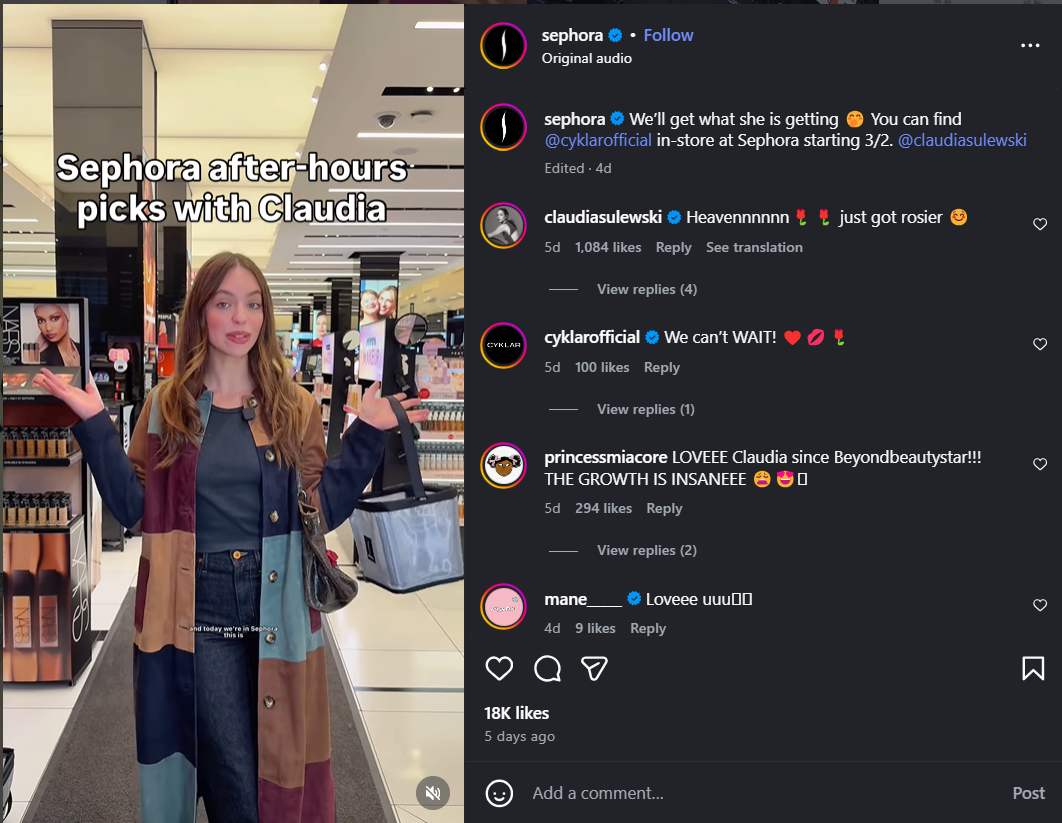
Day-in-the-life UGC ads embed a product naturally into a creator’s real routine, making it feel less like an advertisement and more like a lifestyle snapshot. This format works well for products with a habitual use case: supplements, fitness gear, skincare, productivity tools, and meal prep products all thrive here.
The key is seamless integration. The product appears because it is genuinely part of the day, not because the creator paused their routine to hold it up to the camera.
How to apply it: Creators should treat the product as part of their day, not the point of the video. The less it feels like an ad, the harder it works as one.
6. Problem-Solution Story Format
This format mirrors how people make purchasing decisions: identify a problem, find a solution, evaluate it, and buy. A UGC ad that follows that same path removes friction at every step.
The structure that works: open with the pain point in relatable terms. Briefly agitate the frustration, introduce the product as something the creator found rather than something being sold, show a specific result, and close with a soft CTA.
Most brands rush past the agitation phase, but those five to eight seconds are what build the emotional case for everything that follows.
How to apply it: Give creators permission to sit with the problem before introducing the product. The viewer needs to feel the question before they’re ready for the answer.
7. Tutorial & How-To UGC Ads
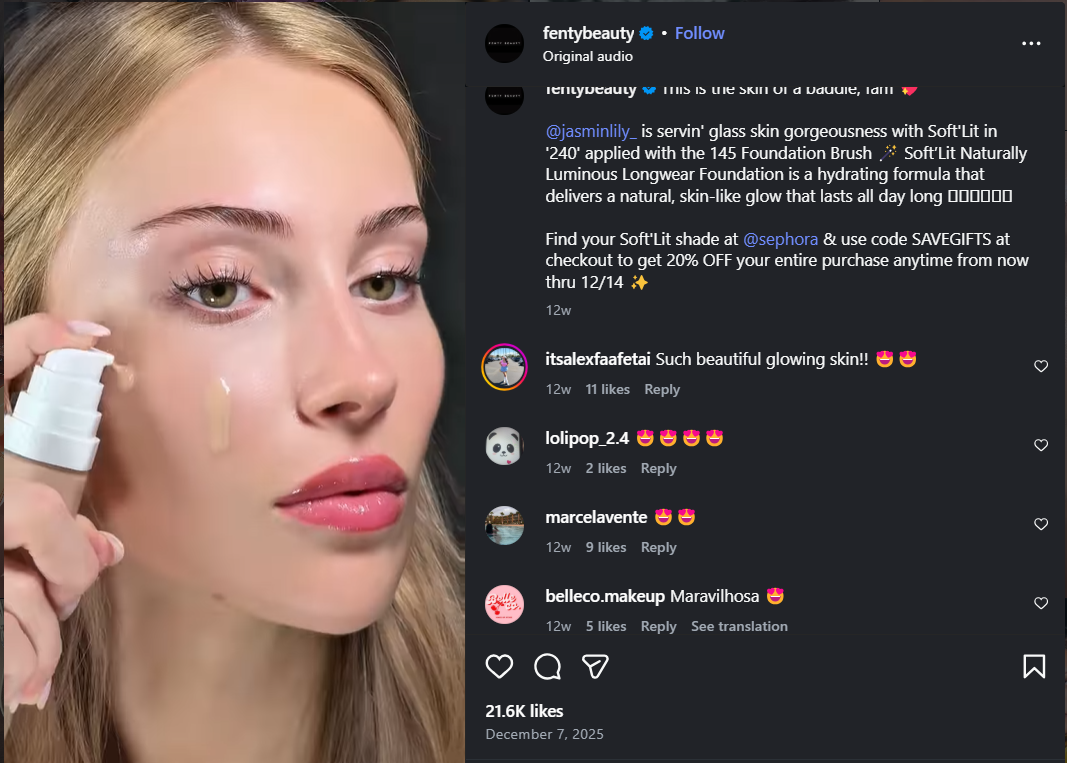
Tutorial-style UGC ads deliver immediate value before asking for anything in return, which is why they perform well at the top and middle of the funnel. When someone learns something useful in the first ten seconds, they associate that positive feeling with the product being demonstrated.
The most effective how-to UGC reels are specific and slightly surprising. A generic “here’s how to use this face wash” tutorial scrolls past unnoticed. “Here’s the 60-second routine that cleared my skin in two weeks using only three products” creates urgency, specificity, and curiosity simultaneously. The product becomes the vehicle for the transformation rather than the subject of the ad.
How to apply it: Give creators a specific outcome to demonstrate and a realistic timeframe to work within. Mistakes and adjustments along the way are worth keeping in; they make the process feel achievable rather than aspirational.
Top 7 UGC Video Ads: Summary Table
| Ad Format | Core Tactic | Best For |
|---|---|---|
| Unboxing & First Reaction | Real-time opening with honest sensory detail | Building purchase intent with undecided buyers |
| Before & After Transformation | Creator-documented journey with visible result | Products where the outcome speaks for itself |
| Product Demo in Real-Life Settings | Problem solved on camera in a relatable environment | Shortening the gap between curiosity and consideration |
| Talking Head Testimonial | Direct-to-camera specificity over superlatives | Building trust with cold audiences |
| Day-in-the-Life | Product embedded naturally into a real routine | Habitual-use products targeting lifestyle-driven buyers |
| Problem-Solution Story | Pain point, agitation, product as discovery, soft CTA | High-friction purchases where emotion drives the decision |
| Tutorial & How-To | Specific outcome demonstrated within a tight timeframe | Top and mid-funnel audiences who need to see it work |
Find Winning UGC Video Ads with GetHookd
Seven formats, each with a different mechanism for earning attention and driving action. The challenge for most teams is knowing which ones are working in their specific niche right now and producing enough variations to find out.
GetHookd’s Explore Ads gives you access to 65M+ Meta ads so you can see which UGC styles competitors are actively putting budget behind before committing to production. Our Brand Spy feature surfaces the full picture behind any competitor’s ad strategy, from the hooks they keep reusing to the landing pages their best performers point to.
Once you know what to produce, Ads Transcription extracts the copy structure and hook angles from any video ad, giving your team a proven framework to build from. Video Scripts generate hooks, angles, and full ad scripts from your product details in minutes.
Every round of UGC you launch without that intelligence is budget spent teaching yourself lessons your competitors already learned.
Start your GetHookd free trial today!
Frequently Asked Questions (FAQs)
What are UGC video ad examples?
UGC video ads include unboxing reactions, before-and-after transformations, talking head testimonials, product demos in real-life settings, day-in-the-life routines, problem-solution stories, and tutorial-style content.
The common thread is that they are filmed and delivered in a way that feels native to the feed rather than produced for it.
How do you make UGC video ads?
Start with a clear brief that includes the problem the product solves, the specific outcome to demonstrate, and the tone you want the creator to take.
Keep the hook in the first two to three seconds, let the creator speak in their own voice, and resist over-editing. The more it feels like organic content, the better it performs as a paid ad.
What makes good UGC ad content?
Specificity makes good UGC content. A creator who says, “I’ve been dealing with dry skin for three years, and this is the first moisturizer that actually held up through a full workday,” will always outperform one who says, “I love this moisturizer I just got.”
GetHookd’s Ads Transcription lets you extract the exact hook structures and copy angles from competitor UGC ads that are already converting, so you can study what specificity looks like in your niche before briefing creators.
*Note: Pricing and/or product availability mentioned in this post are subject to change. Please check our website for current pricing and stock information before making a purchase.