Key Takeaways
- The five standout 2026 banner ads come from ThruWare, Holafly for Business, Aragon.ai, Jackery, and Xlaserlab, each pairing a clear offer with one explicit call to action.
- Bundle ads like ThruWare’s convert better when the quantity ties to a real-world constraint the buyer already understands, like one pouch per traveler, rather than leading with a discount.
- Before-and-after visuals, like Xlaserlab’s rusty-to-clean split, let the product’s result do the convincing, while visible pricing breakdowns and financing options remove cost objections without extra copy.
- Translating technical features into everyday actions, like Jackery’s “use the app to manage charging around your day,” helps buyers picture the product in their own routine.
- GetHookd tracks over 22 million live Meta ads daily and flags new competitor creatives at launch, so you can build campaigns from proven banner formats instead of testing blind.
What Makes a Facebook Banner Ad Work in 2026?
A strong Facebook banner ad makes its value clear without asking people to work it out. It focuses on one customer need, explains a relevant benefit, and gives people a reason to consider the offer. The headline should do more than attract attention; it should help the right person understand why the product matters to them.
The supporting content should make that promise more convincing. A before-and-after comparison can demonstrate the intended change, a bundle offer can explain why buying more makes sense, and a practical example can make a feature meaningful.
Bring those elements into line behind a clear call to action, so the benefit, offer, and next step all tell the same story. GetHookd makes these patterns easy to spot, with over 22 million live Meta ads to filter by niche, format, and how long each ad has been running.
GetHookd: Give Your AI
22 Million Live Meta Ads

Your AI cannot see Meta's ad library. Now it can. Connect GetHookd to Claude, ChatGPT, Gemini, Cursor or Perplexity in about 30 seconds, no code needed. Ask in plain English what your market is running and get back the live Facebook and Instagram ads. Every answer comes back with the source ad attached, so you can check it yourself.
What You Get:- Brand Spy: Get told every time a competitor launches, with the launch date and how many ads they have live
- Shops: Open any Shopify store to see its monthly visitors, best sellers, and every Meta ad it runs
- Clone Ads: Turn any winning ad into new statics built off a creative already running in your market
Prefer clicking? Search and filter the library yourself in the app, on any plan.
Start a 7-Day Trial for $05 Effective Facebook Banner Ads to Inspire Your Next Campaign
1. ThruWare: Give Customers a Logical Reason to Buy More
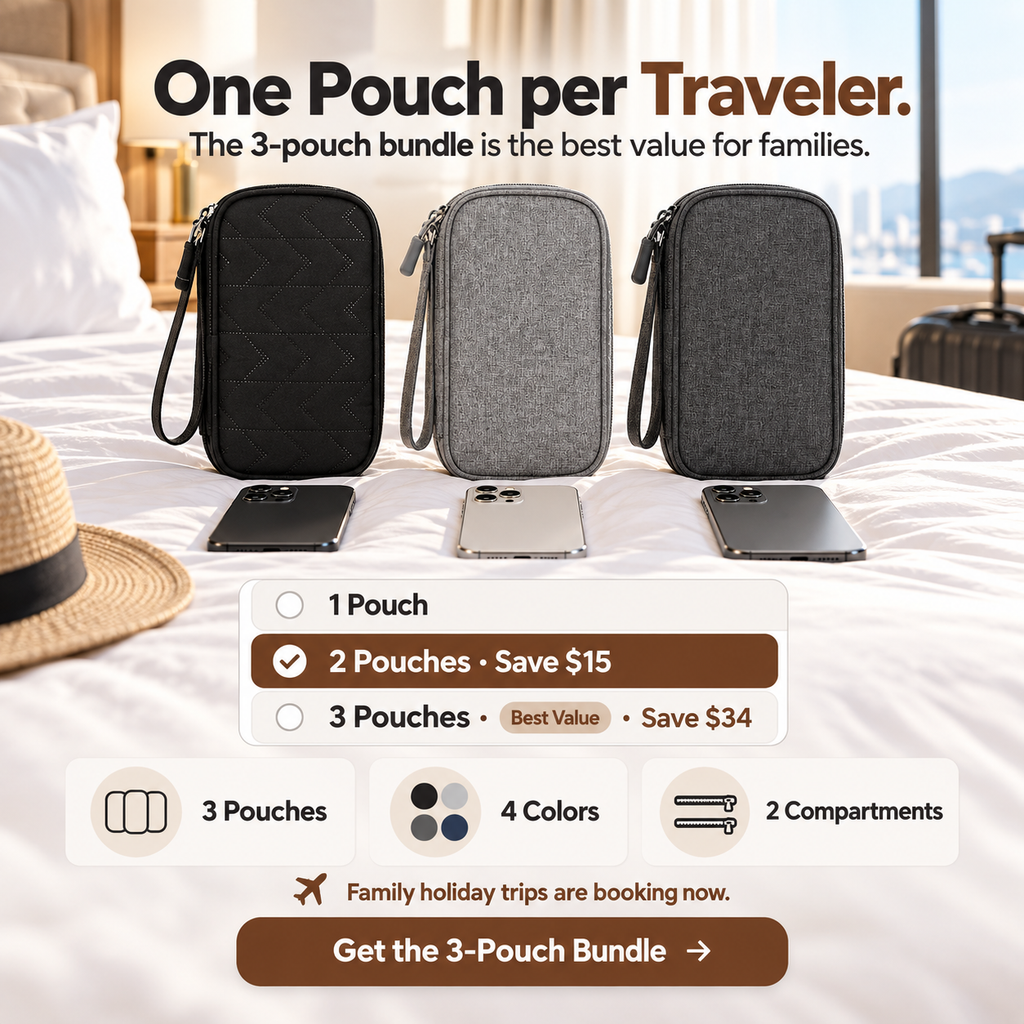
ThruWare’s banner ad skips the discount headline entirely and opens with “One Pouch per Traveler.” That phrase does something most bundle ads don’t: it ties the quantity being sold directly to a real-world constraint the customer already understands, since anyone who travels with a family knows each person needs their own supply.
The pricing then reinforces that logic instead of replacing it. Two pouches save $15, three pouches save $34, and the call to action reads “Get the 3-Pouch Bundle,” which names the exact product being offered rather than a vague “Shop Now.”
ThruWare adds one more layer of relevance with the line “Family holiday trips are booking now,” connecting the offer to a genuine seasonal behavior instead of manufacturing urgency out of nothing.
2. Holafly for Business: Address the Buyer’s Budget Concerns
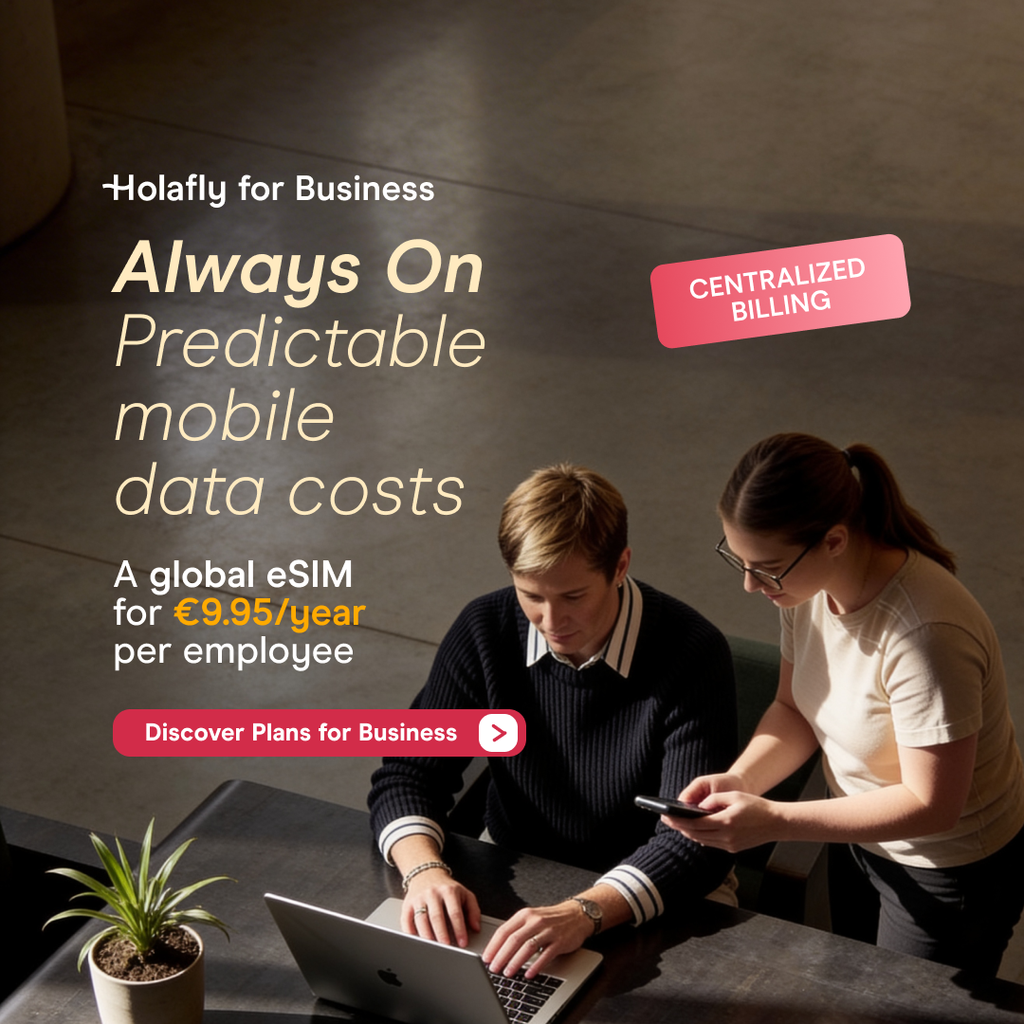
Business buyers evaluate ads differently than individual consumers, and Holafly for Business built its banner around that distinction. The headline stacks three phrases together: “Always On,” “Predictable mobile data costs,” and “Centralized Billing.”
None of these are product features in the traditional sense. They answer the three questions a procurement manager is already asking before they’ll approve a purchase.
The pricing line, “A global eSIM for €9.95/year per employee,” does something subtle but important by specifying the cost structure as per employee rather than as a flat rate. That one word, “per,” lets a buyer with 50 employees instantly calculate their total spend without opening a pricing page. The call to action, “Discover Plans for Business,” then routes that buyer to a page built for exactly that calculation.
3. Aragon.ai: Promise Realistic Results With Fast Delivery
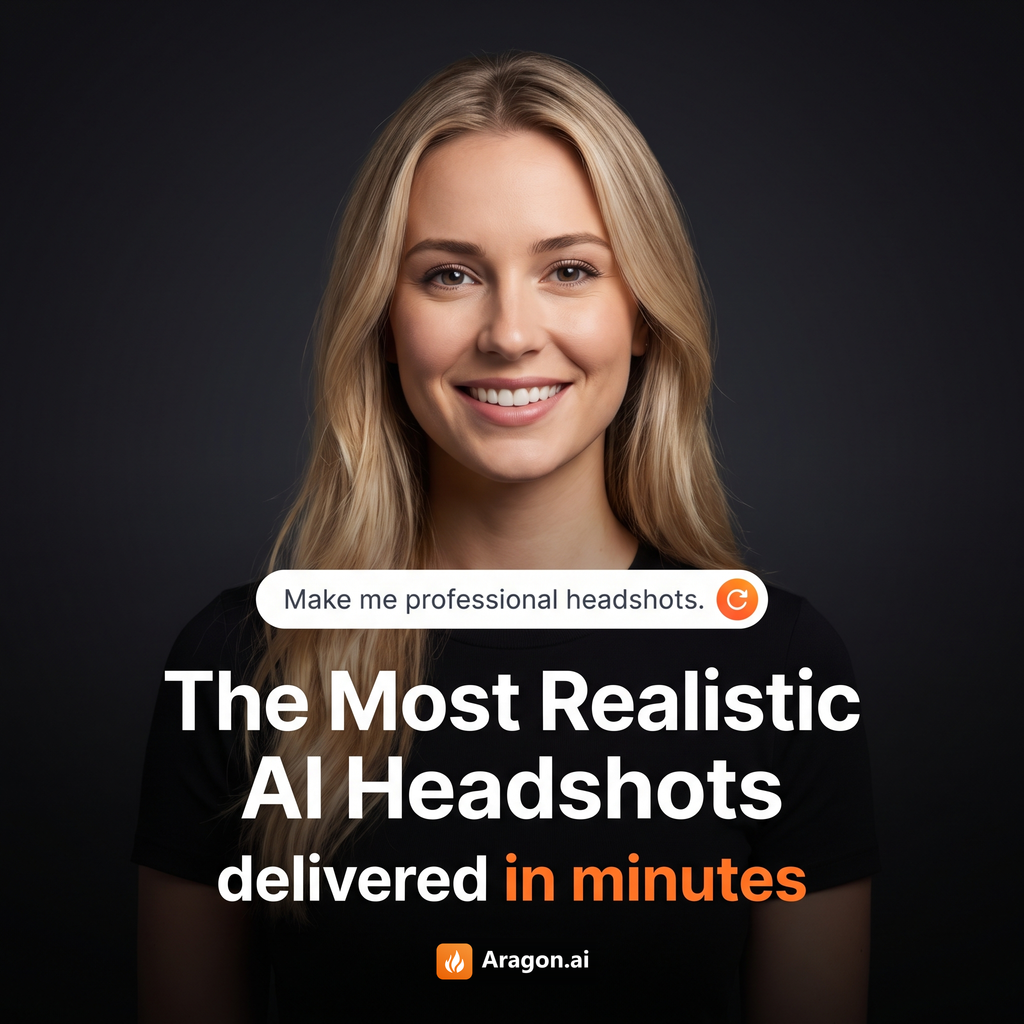
Aragon.ai’s banner ad tackles a specific hesitation around AI-generated content: will it actually look real? The headline, “The Most Realistic AI Headshots,” answers that doubt head-on before the viewer can even ask it, and the supporting phrase “delivered in minutes” removes the second objection, which is time.
Aragon.ai’s own site backs that speed claim with specifics, listing different generation times of 45, 30, and 15 minutes depending on the package selected. Pairing a quality promise with a convenience promise works because the two address separate concerns at once, one about acceptability and one about effort.
The call to action, “Make me professional headshots,” is written in first person, which makes the next step feel like something the viewer is choosing rather than something being pushed on them.
4. Jackery: Translate Technical Features Into Daily Routines
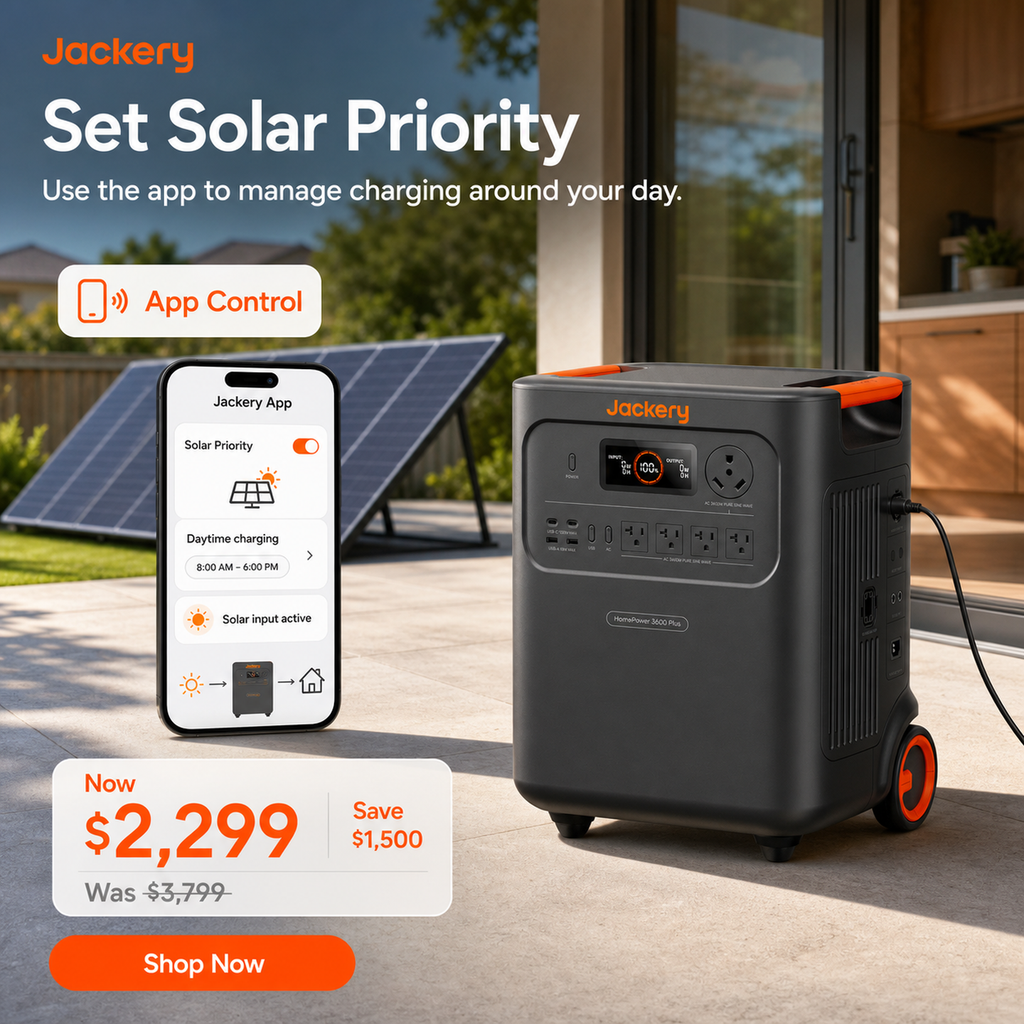
Jackery’s banner ad opens with “Set Solar Priority,” a phrase that means little to someone unfamiliar with solar generators. That’s intentional, because the follow-up line does the translating: “Use the app to manage charging around your day.” This two-step structure turns a technical setting into something a customer can picture themselves doing on a Tuesday afternoon.
The pricing presentation follows similar logic: making the math visible instead of hidden. The ad states $2,299, reduced from $3,799, which works out to $1,500 in stated savings, and all three numbers appear together so the viewer never has to calculate the discount themselves. The call to action, “Shop Now,” closes the loop simply, since by that point the ad has already done the convincing.
5. Xlaserlab Q1: Show Before-and-After Transformation
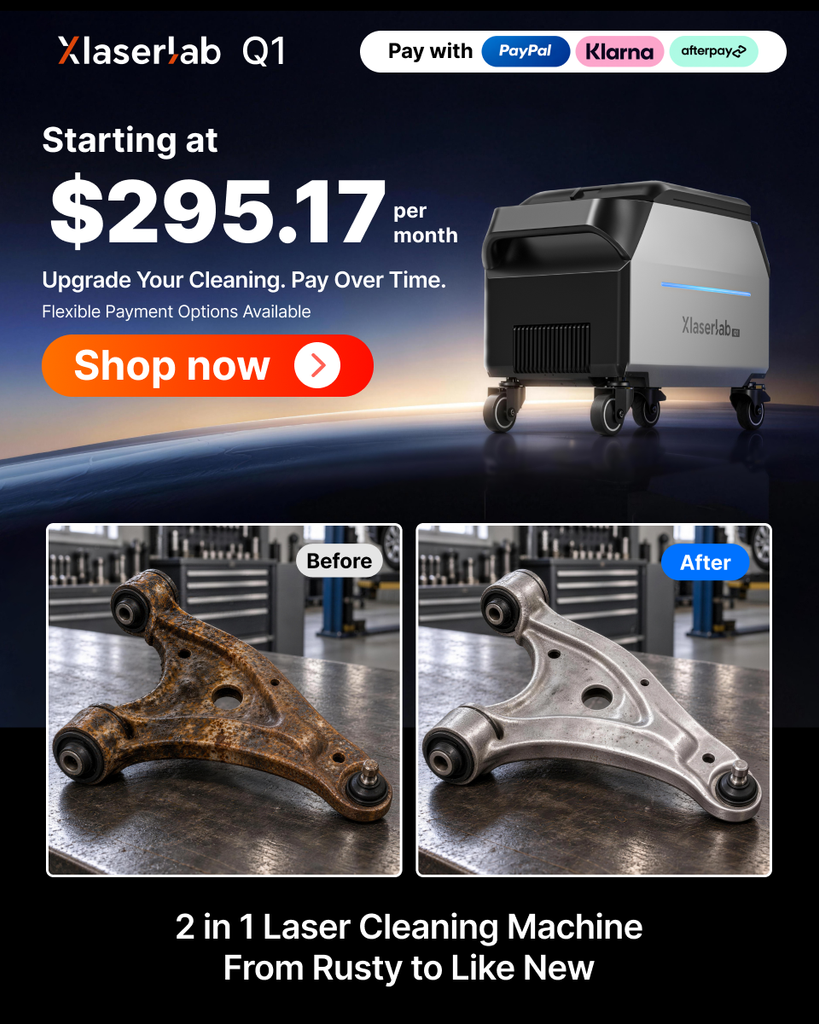
Some products are hard to explain in words but easy to explain in a single image comparison. Xlaserlab’s banner ad for its Q1 laser cleaner leans into that with the headline “From Rusty to Like New,” paired with a visual split showing the same surface before and after treatment. The viewer doesn’t need to understand laser cleaning technology to grasp the result.
Xlaserlab prices the Q1 on a $295.17-per-month financing structure rather than the full unit cost, under the line “Upgrade Your Cleaning. Pay Over Time.” That phrasing, along with “Flexible Payment Options Available,” addresses a second objection, which is the upfront cost of a 2-in-1 laser cleaning machine that also functions as an engraver. The before-and-after image sells the result; the financing removes the barrier to acting on it.
Best Facebook Banner Ad Examples: Summary Table
| Brand | Main message | Takeaway for your campaign |
| ThruWare | One pouch per traveler makes a family bundle relevant. | Give customers a practical reason to buy more, then reinforce it with savings and a specific CTA. |
| Holafly for Business | Predictable costs and centralized billing address business concerns. | Speak to the budget and administrative priorities of the person approving the purchase. |
| Aragon.ai | Realistic headshots delivered quickly address quality and time concerns. | Pair your desired outcome with a convenience benefit that tackles another buying objection. |
| Jackery | App-controlled charging fits around daily routines. | Translate technical features into practical actions customers can understand. |
| Xlaserlab | Before-and-after comparison communicates the transformation; financing addresses upfront cost. | Demonstrate the result clearly, then explain an accessible purchasing option. |
Turn Winning Banner Ads Into Your Next Campaign With GetHookd
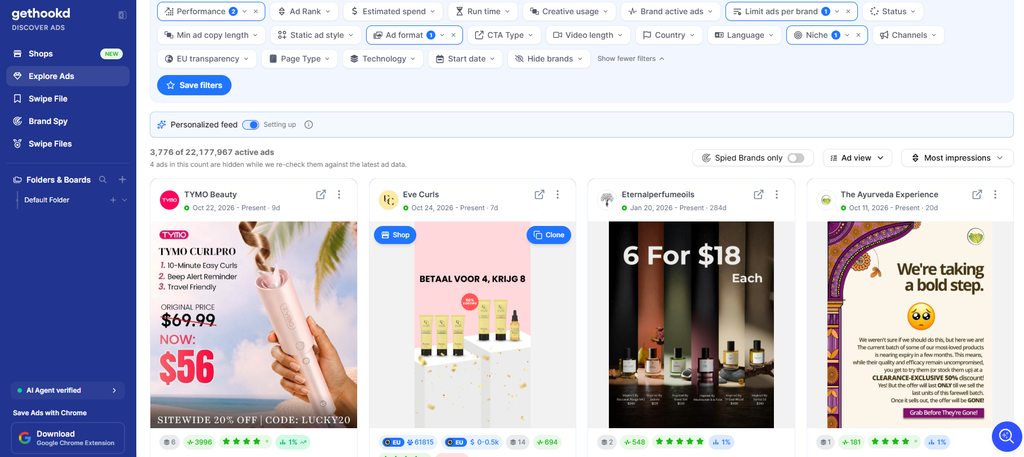
Every example above shares the same foundation: a specific situation, a specific offer, and one clear action, tested and refined until the numbers prove it works. Finding that formula by trial and error on a single ad account takes months most marketers don’t have to spare.
GetHookd shortcuts that process by tracking over 22 million live Meta ads daily, letting media buyers and eCommerce operators see exactly which banner formats competitors are scaling right now. The Brand Spy feature flags new competitor ads the moment they launch, and Clone Ads generates variations from any winning example in seconds. Try GetHookd free before building the next campaign from scratch.
Frequently Asked Questions (FAQs)
What makes a Facebook banner ad effective in 2026?
An effective banner ad connects a specific customer situation to a specific reason to act, then closes with one clear call to action. Keep the message aligned with the campaign objective and make the next step explicit rather than listing disconnected features.
How long should Facebook ad primary text be?
Meta recommends keeping primary text to roughly one to three lines, with a general character limit around 125 characters. Facebook Feed headlines display around 27 characters before truncating, with 40 the hard cap across Meta placements. Link descriptions show roughly 27 to 30, though truncation can vary depending on placement and device.
How do I know if my Facebook ad offer is clear enough?
The headline, advertised offer, call to action, and destination page should all tell the same story. If a viewer reads the headline and still can’t guess what they’re clicking into, the offer needs simplifying before pricing or design changes are considered.
Should I test multiple ad messages before scaling a campaign?
Yes, Meta recommends A/B testing one variable at a time, such as the headline or the offer, to see which message your audience responds to most. Testing before scaling also means more of your budget goes to the version that’s already proven itself.
How does GetHookd help with Facebook ads?
GetHookd tracks over 22 million live Meta ads, updated daily, so marketers can see which banner styles competitors keep running in their niche. Brand Spy sends an alert whenever a competitor launches a new ad. AI tools like Clone Ads, along with ready-to-use ad templates, then turn those ideas into new designs without starting from a blank page.
*Note: Pricing and/or product availability mentioned in this post are subject to change. Please check our website for current pricing and stock information before making a purchase.