Key Takeaways
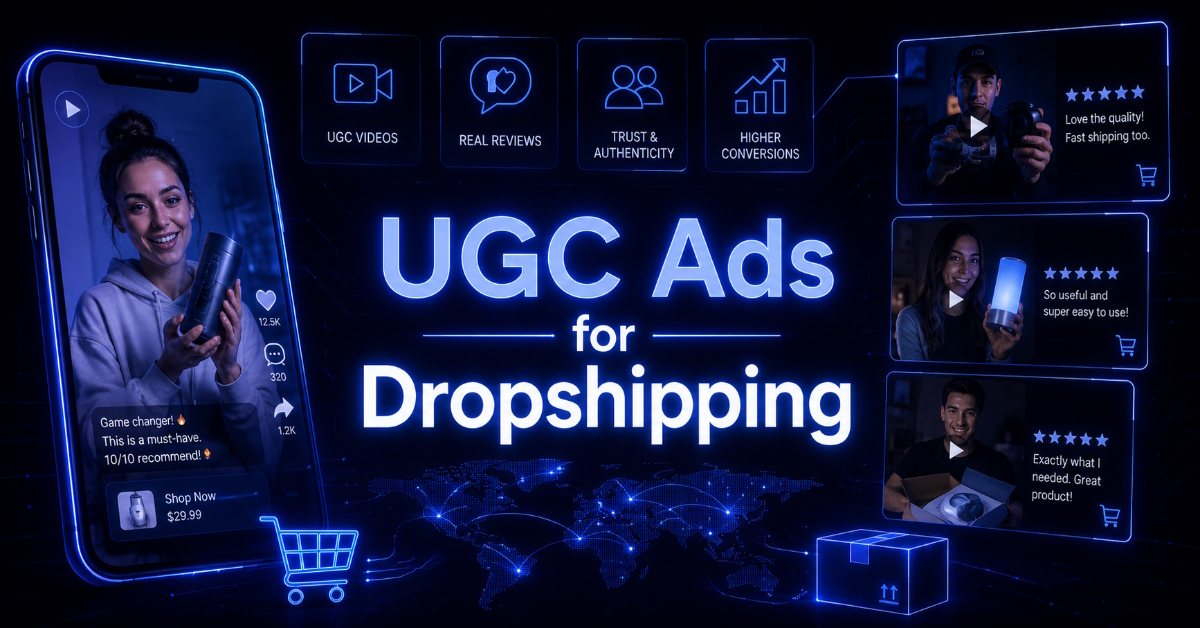
- UGC ads (user-generated content ads) are one of the highest-converting ad formats available to dropshippers today, outperforming polished brand ads on platforms like TikTok and Facebook.
- Four formats of UGC ads that work best are unboxing videos, testimonials, before-and-after demos, and day-in-the-life integrations.
- UGC ads work across the customer journey by attracting new buyers, retargeting interested shoppers, increasing product page conversions, recovering abandoned carts, and strengthening organic social content.
- The best-performing UGC ads use a strong opening hook, focus on one problem and solution, show the product in action, and test multiple creative variations to improve results.
- The best UGC starts with knowing what already works. GetHookd lets dropshippers study the exact winning ads competitors are scaling, so creative decisions are based on proven patterns rather than guesswork.
What Are UGC Ads & Why Do They Work for Dropshipping?
UGC stands for user-generated content. In the context of paid advertising, UGC ads are videos or images created by real people and used as ad creative. They’re intentionally unpolished, conversational, and native-feeling to the platform they run on.
For dropshipping, they’re among the highest-converting formats available because they look and feel like a real person’s recommendation rather than a brand selling to you. The ads that convert follow a repeatable set of principles: lead with a hook, brief creators with talking points instead of rigid scripts, focus on one problem and one solution per ad, always show the product in use, and keep captions and aspect ratios native to each platform.
UGC also allows dropshippers to test products quickly without investing in expensive professional production. Simply reach out to micro-creators, offer them a free product, and have ad-ready content within days. This speed-to-market advantage is something traditional ad creative doesn’t always provide.

GetHookd: Turn Competitor Intelligence Into Your Next Winning Ad
GetHookd reveals which ads your competitors are actively scaling—not just running. Spy on their best-performing creatives, landing pages, and traffic strategies, then turn proven concepts into testable campaigns in seconds with AI-powered script generation and creative cloning.
What You Get:- ✓ Brand Spy to decode competitor ad strategies in real-time
- ✓ AI script generation and ad cloning for instant variations
- ✓ Performance scoring based on actual ad behavior, not vanity metrics
- ✓ Creative Analyzer to identify and scale your top performers
UGC Ads Examples That Work Best for Dropshipping
Unboxing Videos
Unboxing videos are one of the most powerful formats in dropshipping UGC because they capture the exact moment of first impression. A creator receives your product, films themselves opening the package, and reacts authentically to what’s inside. For potential buyers sitting on the fence, this kind of video answers the silent question: “What is it actually like to receive this?”
Why It Works
It removes the biggest fear in dropshipping, which is the gap between ordering online and actually receiving something real. Seeing a genuine reaction builds trust that the product exists, arrives, and looks like the photos.
Testimonial & Review Videos
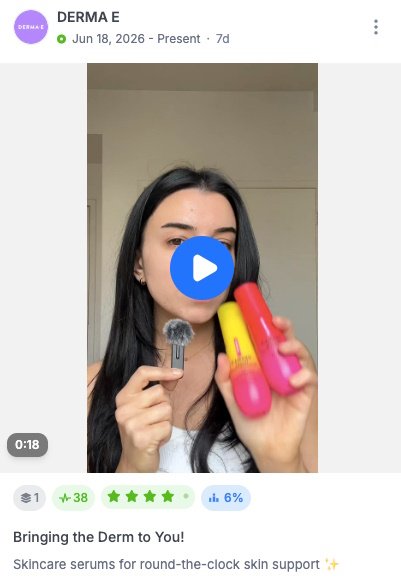
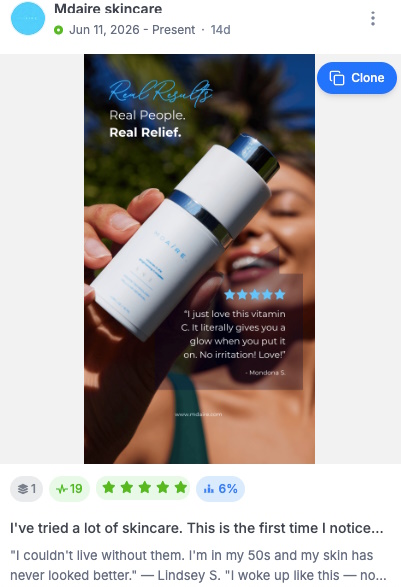
Testimonial and review-style UGC ads work because they follow the same psychological pattern as word-of-mouth recommendations. A real person addresses the camera, shares a relatable problem, and explains how the product solved it.
For dropshipping, testimonials are particularly effective for products in health, wellness, beauty, and personal care categories, and anywhere the customer’s emotional transformation is part of the value proposition.
Why It Works
People trust other buyers far more than brands. A relatable problem-to-solution story feels like advice from a friend, not a sales pitch.
Before & After Demonstrations
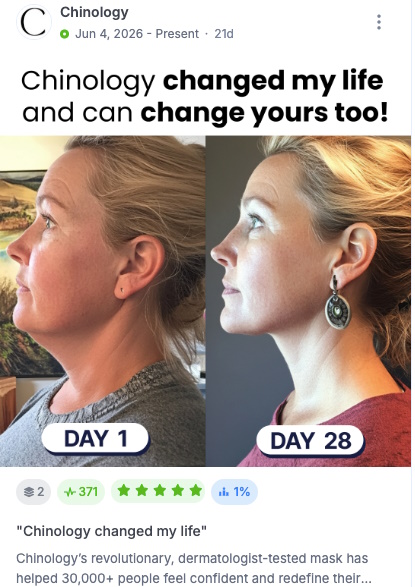
Before-and-after UGC ads are the most direct proof format available to dropshippers. The viewer sees the problem state, watches the product being applied or used, and then sees the result. This format works exceptionally well for cleaning products, skincare tools, fitness accessories, home organization products, and anything with a visible transformation.
Why It Works
It shows the result instead of just claiming it. A visible transformation is the most convincing proof that a product actually does what it promises.
Day-in-the-Life Product Integrations
Day-in-the-life UGC embeds your product naturally into a creator’s existing routine. Instead of the product being the entire focus, it appears as a seamless part of how someone actually lives. This format is particularly powerful because it answers the viewer’s subconscious question: “Where would this actually fit into my life?”
Day-in-the-life ads also have strong potential for organic sharing. Because they don’t feel like ads, viewers are more likely to save them, share them, and engage with comments, all of which drive down your cost per result on paid placements.
Why It Works
It shows the product fitting naturally into real life, so viewers can picture owning it themselves. Because it doesn’t feel like an ad, people watch longer and share more.
UGC Dropshipping Ads Use Cases
- Cold traffic Facebook and TikTok ads: Lead with unboxing hooks or problem-statement testimonials. At this stage, the only job is to stop the scroll and spark curiosity, so prioritize the first 3 seconds over product details.
- Retargeting campaigns: Use before-and-after and detailed review clips to close the gap between interest and purchase. These handle the specific objections that stopped someone from buying the first time they saw your product.
- Product page embeds: Place short UGC clips near the add-to-cart button. Seeing a real person use the product at the decision point reduces hesitation and increases time on page, both of which support conversion.
- Abandoned cart email sequences: Drop a creator testimonial into your follow-up emails. It delivers social proof at the moment of maximum doubt, giving a wavering buyer one more authentic reason to come back.
- Organic social posting: Repurpose paid UGC as organic content on your store’s profiles. It builds credibility for anyone who looks you up after seeing an ad, filling the gap between paid campaigns at no extra cost.
- Google Performance Max assets: Feed UGC-style video and image assets into PMax, where they consistently outperform polished studio shots and give the algorithm more authentic creative to optimize against.
Tips for Creating Winning UGC Dropshipping Ads
Creating UGC that actually converts requires more than just handing a product to a creator and hoping for the best. The dropshippers seeing the best results are treating UGC production as a repeatable, systematic process. Here’s what separates high-converting UGC dropshipping ads from content that gets ignored:
- Lead with a hook: Ask a provocative question in the first 2–3 seconds, make a bold claim, or show something visually surprising before the viewer has a chance to scroll past.
- Brief creators with a script framework: Over-scripted content sounds fake. Give creators the key talking points and let them deliver them in their own voice.
- Focus on one problem and one solution per ad: Trying to highlight too many benefits dilutes the message and reduces conversion intent.
- Always show the product in use: Talking about a product is far less effective than showing it performing its core function on camera.
- Test multiple hooks for the same product: The same product shot with three different opening hooks can produce wildly different click-through rates. Always be testing.
- Add captions to every video: A significant portion of social media users watch videos on mute, especially on Facebook and Instagram feeds, making captions absolutely necessary.
- Keep aspect ratios native to the platform: Use 9:16 vertical for TikTok and Reels, 1:1 or 4:5 for Facebook and Instagram feed placements.
Why GetHookd Wins for Ad Intelligence
UGC is one of the most reliable ways to scale a dropshipping store, but the difference between content that converts and content that gets scrolled past usually comes down to the creative decisions made before filming: which hook, which problem, which format. The strongest UGC strategies don’t rely on guesswork at all; they start from what’s already proven to work.
GetHookd helps dropshippers create high-converting UGC ads using in-depth ad intelligence. Rather than testing hooks blindly, you can use features like Brand Spy to study the precise ads competitors are actively scaling on Facebook and TikTok and spot the creative patterns that keep showing up in winning campaigns. It reveals the traffic sources behind those wins and turns that intelligence into ready-to-use UGC scripts. This shortens the learning curve and reduces wasted spend from testing ideas with no track record. Start a free GetHookd trial to find your next winning ad.
Frequently Asked Questions (FAQs)
Can I use customer reviews as UGC in my ads?
Yes, but with an important caveat: you need the customer’s explicit permission before using their content in paid advertising. Simply receiving a review or being tagged in a post does not grant you advertising usage rights. Reach out directly, ask for written permission, and, if the content is video-based, clarify the platforms and the duration you intend to run it on.
What platforms are best for running UGC ads for a new dropshipping store?
TikTok and Meta (Facebook and Instagram) are the two strongest platforms for UGC dropshipping ads, and most new stores should start with one before expanding. TikTok offers lower CPMs (Cost Per Mille) and a highly engaged audience that responds exceptionally well to native-style creator content, making it ideal for visually interesting products targeting younger demographics. Meta offers more precise interest-based targeting and broader demographic reach, giving you more control over who sees your ads.
How many UGC ad variations should I test at once?
For most new dropshipping stores running on a limited budget, testing three to five variations simultaneously is best. Each variation should keep the product and core message the same while changing the opening hook, the creator, the problem framing, or the call to action. This structure gives you clean data on what’s actually driving performance differences rather than muddying results by changing multiple variables at once.
Do I need a large following to use UGC ads effectively?
No. The content you’re creating is used as paid ad creative. It runs as a sponsored post, not an organic post on your store’s social media account. Your follower count is completely irrelevant to how the ad performs. What matters is the quality of the content, the relevance of the hook, and the targeting behind the campaign.
How can GetHookd help me create more effective UGC ads?
Instead of guessing which UGC hook will land or which product angle will connect with your target audience, GetHookd lets you study proven campaigns in your niche in real time. You can see what ad formats competitors are running, how long specific ads have been active, and what creative patterns keep appearing across winning campaigns. For dropshippers building out a UGC strategy, this kind of intelligence shortens the learning curve and reduces wasted ad spend.
*Note: Pricing and/or product availability mentioned in this post are subject to change. Please check our website for current pricing and stock information before making a purchase.