5 Effective Facebook Poll Ads Examples (and How to Create Them)
Key Takeaways
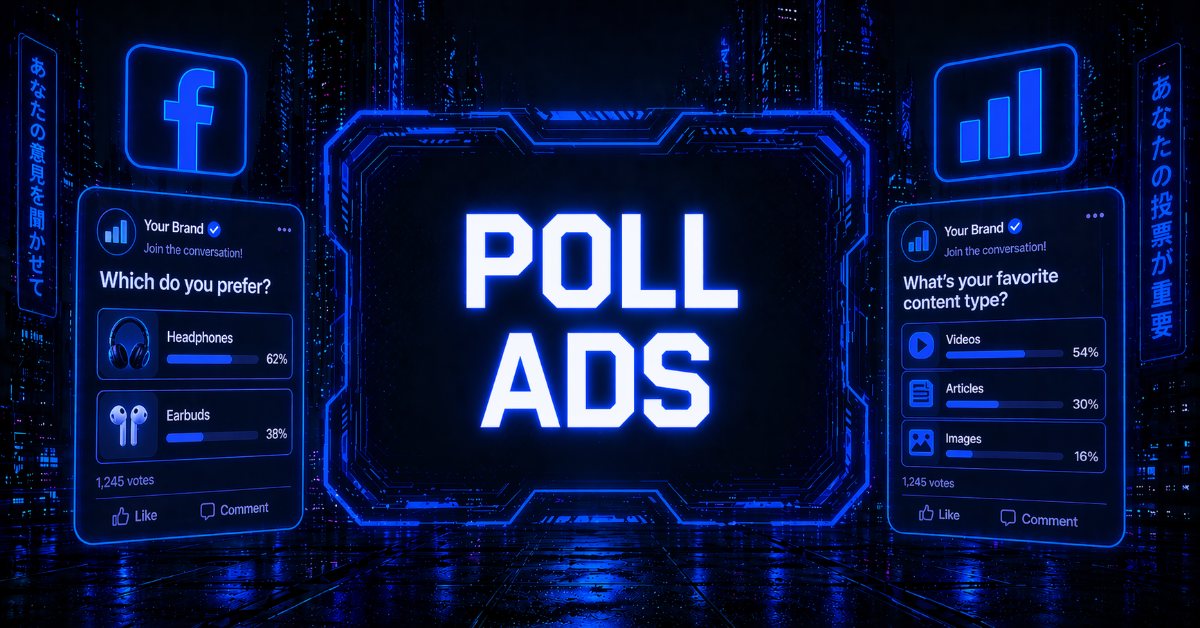
- Facebook poll ads place a two-option question above a video or image, letting users vote directly in the feed. The five formats that consistently perform well are product preference polls, “this or that” awareness polls, pain point diagnostics, content discovery polls, and pre-launch warm-ups.
- Each format serves a different goal. Preference and pre-launch polls validate demand; “this or that” polls build warm audiences at low CPM; and pain-point polls segment cold traffic by routing voters to tailored landing pages.
- Poll ads cost less per engagement than standard video ads because their interactive format feels like casual content, improving delivery across Stories and Reels placements.
- Creating a poll ad requires a supported campaign objective, a 6–15-second video, a question under 70 characters, two answer options under 24 characters each, and destination URLs for each answer.
- With GetHookd, media buyers can spy on competitor poll ads across 65M+ Meta ads, clone winning formats, and generate fresh creative variations and scripts in seconds.
The Quick Answer on Facebook Poll Ads
Facebook poll ads turn a passive scroll into a one-tap interaction by placing a question and two answer buttons over your video or image creative. That single tap is what makes them work: voters self-select into segments, signal intent, and tell the algorithm they’re engaged, all before they ever hit a landing page.
Five poll examples are scaling well across Meta right now, and each one is built around a different goal. Product preference polls validate demand and qualify ecommerce traffic; “this or that” polls build warm audiences at low Cost per Mille (CPM); pain-point diagnostic polls segment cold traffic by routing voters to tailored landing pages; content discovery polls grow audiences for media brands; and pre-launch warm-up polls seed retargeting pools before a product drop.
In this article, we’ll break down each example, the goal it serves, and the exact steps to set one up inside Ads Manager.

GetHookd: Turn Competitor Intelligence Into Your Next Winning Ad
GetHookd reveals which ads your competitors are actively scaling—not just running. Spy on their best-performing creatives, landing pages, and traffic strategies, then turn proven concepts into testable campaigns in seconds with AI-powered script generation and creative cloning.
What You Get:- ✓ Brand Spy to decode competitor ad strategies in real-time
- ✓ AI script generation and ad cloning for instant variations
- ✓ Performance scoring based on actual ad behavior, not vanity metrics
- ✓ Creative Analyzer to identify and scale your top performers
5 Facebook Poll Ad Examples That Drive Engagement
1. The Product Preference Poll (E-commerce)
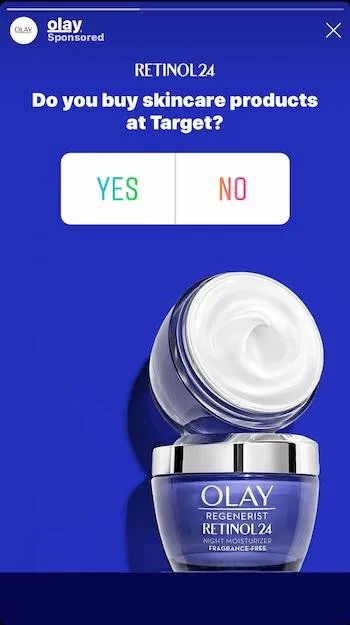
A skincare brand runs a 10-second video showing two serum bottles side by side. The poll reads: “Which serum works better for oily skin?” with answers “Serum A” and “Serum B.” Each answer links to the matching product page.
This format tests demand before scaling stock and drives qualified traffic at the same time. Dropshippers use it to validate new Stock Keeping Units (SKUs) on a small budget before committing to full creative production. It also helps ecommerce teams collect preference data without running a separate survey, since every vote signals buying intent.
The creative usually performs best when both products are visible in the first three seconds, and the question appears as on-screen text before the poll overlay loads. This gives users context even if they scroll past without sound.
2. The “This or That” Brand Awareness Poll
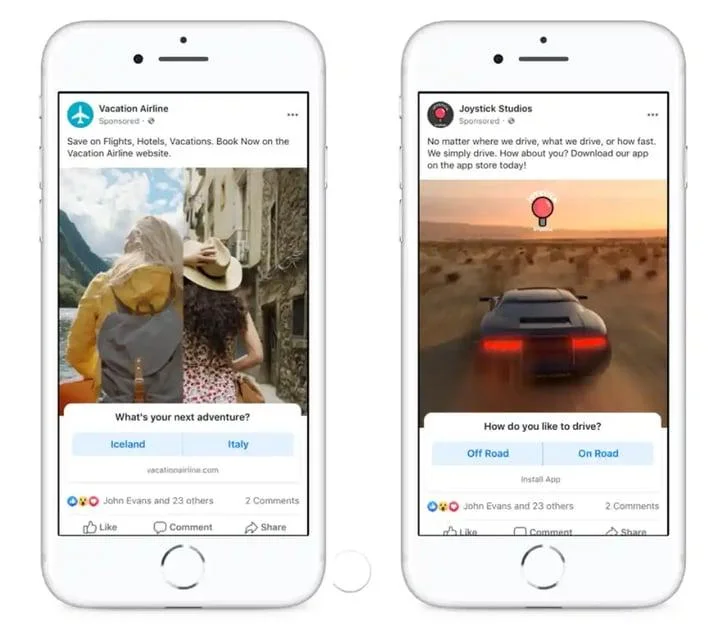
A coffee brand shows a 6-second clip with steaming mugs. The poll asks: “Hot or iced today?” with obvious one-word answers. There’s no hard pitch, just a casual brand interaction. Both answers link to the same shop page.
This works best for top-of-funnel campaigns where the goal is memorability, not conversion. The low-stakes question invites a tap, and the brand stays in the user’s head after the vote. Lifestyle brands, food and beverage companies, and apparel sellers use this format to build warm custom audiences at low CPM.
Because the poll feels like casual content rather than an ad, it blends naturally into Stories and Reels placements. The cost per engagement usually drops compared to a standard video ad with the same creative.
3. The Pain Point Diagnostic Poll (Lead Generation)
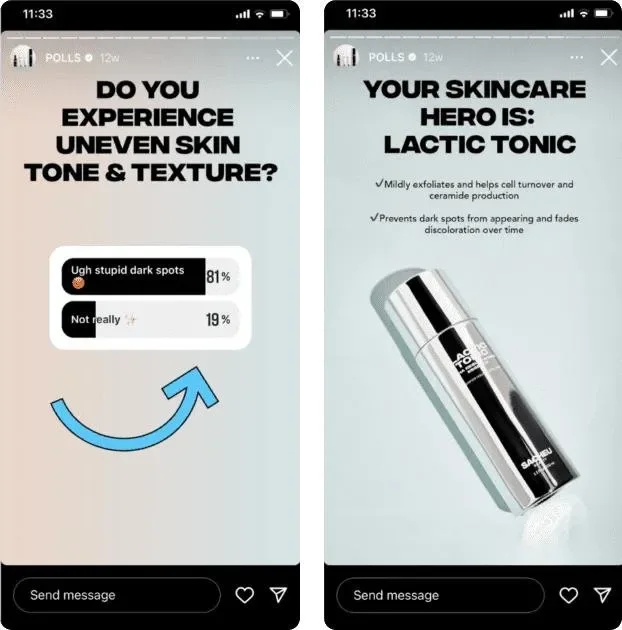
A productivity SaaS runs a poll reading: “What slows you down most?” with answers “Too many tools” and “Messy data.” Each option routes to a tailored landing page that speaks directly to that pain point.
This is useful for companies built to solve pain points, such as B2B brands, skin care products, and logistics companies, because it segments cold traffic at the ad level. Voters self-identify their problem, and you send them to a copy built around their answer, which lifts landing page conversion rates. It also generates cleaner retargeting audiences since each landing page visitor has already signaled a specific intent.
Service brands, consultants, and software teams pair this format with lead magnets that match each answer, turning the poll into a two-path funnel from a single ad unit.
4. The Content Discovery Poll (Media & Publishers)
A YouTube creator or media brand uses a poll to ask: “Which episode should we drop next?” with two thumbnail options. Each answer links to a newsletter signup or a channel subscribe flow.
Content brands use this to grow their warm audience while increasing engagement. The poll doubles as organic research, showing which angle performs before spending production budget on full episodes. Podcast hosts, newsletter operators, and creators use the same structure to pre-test topic ideas against their audience.
Because the ad invites users into the editorial process, it builds a sense of ownership. Voters are more likely to actually watch or read the winning piece once it launches, since they helped choose it.
5. The Pre-Launch Warm-Up Poll
A direct-to-consumer brand teases a new product with the question, “Which color drops first?” and two color options as answers. Both URLs send voters to a waitlist page. The brand collects emails, gauges demand per variant, and builds anticipation before launch day.
E-commerce operators run this 7 to 14 days before a launch to seed retargeting audiences. Poll voters become a warm custom audience for conversion ads once the product goes live, so the first day of sales hits a primed audience rather than cold traffic. Apparel, beauty, and consumer electronics brands use this approach to de-risk inventory decisions.
The format also creates organic talkability. Voters often screenshot the poll or share their choice with friends, extending reach beyond the paid impressions you bought.
How to Create a Facebook Poll Ad: Step-by-Step
Follow these steps inside Meta Ads Manager:
- Open Ads Manager and click Create.
- Select an objective that supports polls (Engagement, Traffic, Brand Awareness, Reach, App Installs, or Conversions).
- Set your audience targeting, placements (Facebook Feed, Instagram Feed, Stories, or Reels), and budget.
- Under Format, choose Single Image or Video, then upload your creative. Videos between 6 and 15 seconds perform best.
- Scroll to Poll Options and toggle Add Poll.
- Write your poll question (keep it under 70 characters) and two answer options (keep each under 24 characters).
- Add destination URLs for both answer choices. You must supply URLs for both options, not just one.
- Write your primary text and headline, then click Publish.
Why GetHookd Is Built for Poll Ad Research & Creative Cloning
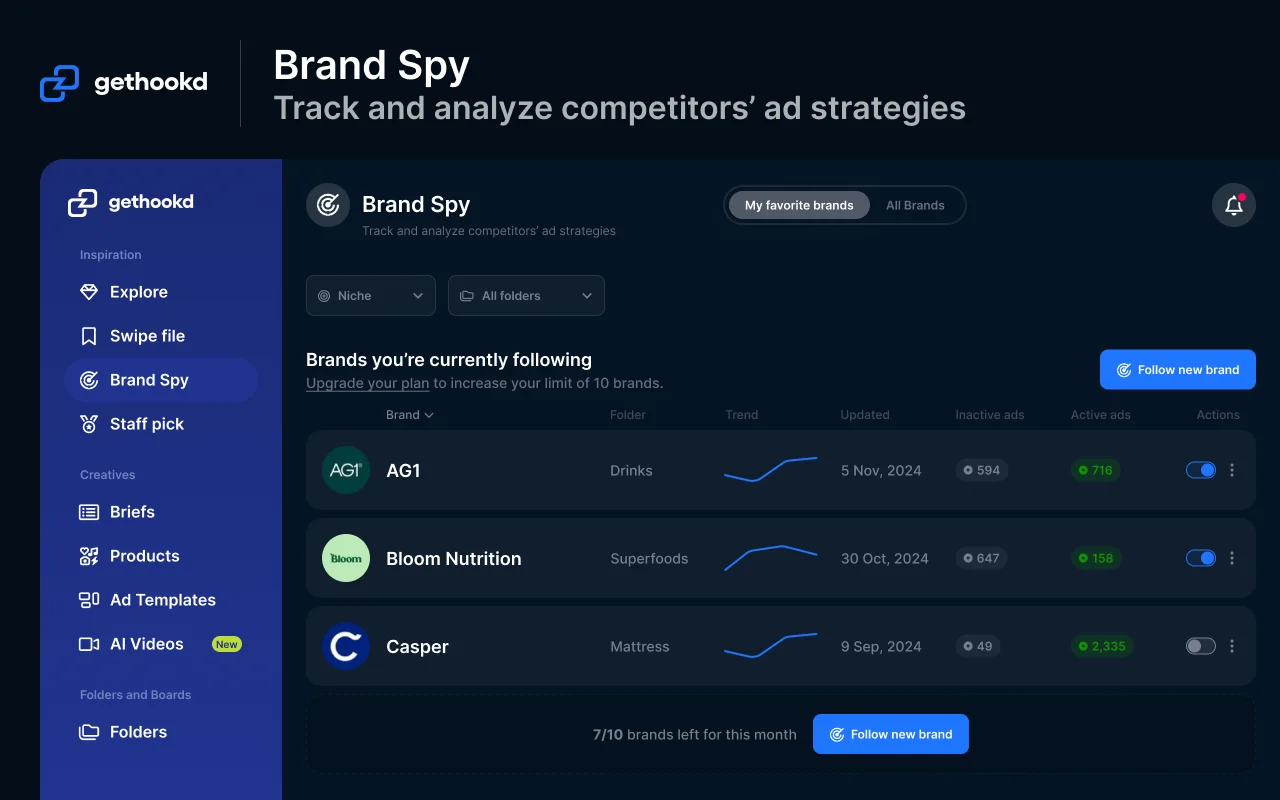
C: GetHookd’s Brand Spy and Clone Ads tools turn competitor poll ads into production-ready variations backed by 65M+ analyzed Meta ads.
AT: Gethookd Brand Spy dashboard tracking AG1, Bloom Nutrition, and Casper, showing each brand’s active ad count, trend line, and folder.
At GetHookd, we help performance marketers, agencies, and ecommerce teams find poll ads and other winning formats that competitors are actively scaling and putting real budget behind. Our Brand Spy feature shows you exactly which creatives, landing pages, and traffic sources your competition is putting budget behind, so you stop guessing which poll structure to copy.
Once you find a winning poll ad, our Clone Ads tool lets you generate dozens of variations in seconds: new colors, avatars, hooks, and formats. Our AI-powered Video Scripts and Ads Transcription features pull hooks and copy directly from top-performing competitor videos, so your next poll question is built on proof rather than guesswork. With over 65M ads analyzed across Meta and the Facebook Ad Library, we give you the signal that other tools miss.
Start your GetHookd free trial today.
Frequently Asked Questions (FAQs)
Can I retarget users based on how they voted in a poll ad?
Meta does not offer a native audience segment built on specific poll answers. However, you can send each poll choice to a different landing page and build custom audiences from those page visitors, which gives you a workable way to retarget by answer.
How often should I scrape or refresh competitor ad data?
For fast-moving niches like ecommerce and DTC, review competitor ads weekly to catch new creative angles before they peak. Slower categories can work with a biweekly or monthly check. GetHookd refreshes its database continuously, so you always see current active campaigns.
Do I need technical skills to use an ad spy tool like GetHookd?
No coding or ad ops background is required. GetHookd is built for media buyers, agency operators, and ecommerce marketers who want fast insights, not developer workflows. Search competitors by brand or keyword, filter winning ads, and clone creative in a few clicks.
What is brand spying, and is it legal?
Brand spying means analyzing publicly available ads to understand a competitor’s creative and funnel strategy. Because Meta Ad Library ads are public, reviewing them is legal and standard practice. GetHookd structures this public data so you can act on it faster.
Can GetHookd generate an AI ad creative from a competitor’s poll ad?
Yes. Upload a competitor’s poll ad or image, and GetHookd’s Clone Ads feature produces dozens of fresh variations with new colors, avatars, and formats. Our AI copywriter also generates hooks and scripts you can pair with your own poll questions.
*Note:Pricing and/or product availability mentioned in this post are subject to change. Please check our websitefor current pricing and stock information before making a purchase.