Key Takeaways
- A TikTok ad’s hook, the first 1 to 3 seconds of the video, determines whether a viewer keeps watching or scrolls past.
- Five hook types perform reliably in 2026: result-first, question, creator testimonial, pattern interrupt, and authentic, each suited to a different product and audience.
- Result-first hooks were the top performer in early 2026 creative analysis, drawing roughly double the views of the lowest-ranked type.
- Testing two or three hook types in batches against the same offer beats testing one hook at a time, since creative volume drives TikTok results.
- GetHookd searches 65M+ ads across Meta and TikTok and turns proven hook patterns into testable scripts through Brand Spy and AI script generation.
Why Do the First Three Seconds Decide Ad Performance?
TikTok’s algorithm reads what happens in the first three seconds as a signal of whether to keep pushing a video out, so a slow build or a logo intro can bury an ad before it has a chance to earn reach. Most brands still open the way TV ads do, with branding first and the payoff later, which wastes the one window that actually decides distribution. On TikTok, that opening has to work on its own, with no lead-in to lean on.
Getting the hook type wrong is a different failure than getting it weak. A result-first opener on a product with no visible transformation, or a testimonial hook on a low-trust impulse buy, can undercut an otherwise strong ad regardless of production budget. The fix isn’t a bigger budget; it’s matching the hook type to the product and audience, then testing before committing spend.
That matching problem is easier to solve with a live reference set instead of guesswork. GetHookd’s Brand Spy shows which competitor hooks are actively being scaled, not just running, so teams can model proven patterns against their own product before building a single variation.

GetHookd: Turn Competitor Intelligence Into Your Next Winning Ad
GetHookd reveals which ads your competitors are actively scaling—not just running. Spy on their best-performing creatives, landing pages, and traffic strategies, then turn proven concepts into testable campaigns in seconds with AI-powered script generation and creative cloning.
What You Get:- ✓ Brand Spy to decode competitor ad strategies in real-time
- ✓ AI script generation and ad cloning for instant variations
- ✓ Performance scoring based on actual ad behavior, not vanity metrics
- ✓ Creative Analyzer to identify and scale your top performers
The 5 Best TikTok Ad Hook Examples for 2026
1. The Result-First Hook
A result-first hook opens on the finished product, the transformation, or the outcome. There is no buildup before the reveal. OpusClip’s analysis of more than 34,000 clips found this was the strongest-performing pattern in early 2026, averaging roughly double the views of the lowest-ranked hook type. The type suits products with a clear visual outcome.
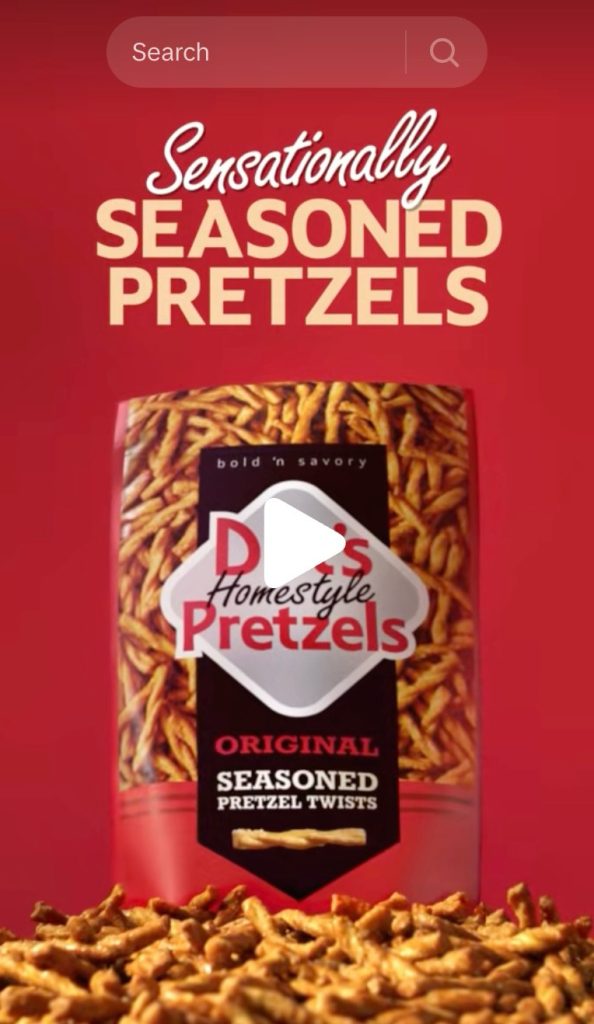
TikTok’s creative guidance describes the same structure for transformation ads: show the starting point, demonstrate the product in action, then show the result. DOT’S Pretzels applied this in a seven-second TikTok ad that opened directly on the product’s seasoning and texture with no setup. The product’s appeal appeared in the first frame.
2. The Question Hook
A question hook opens with a direct question. It performs best when the question names a specific frustration rather than a general one. Broad questions such as “Want to grow on TikTok?” are too vague to stop the scroll.
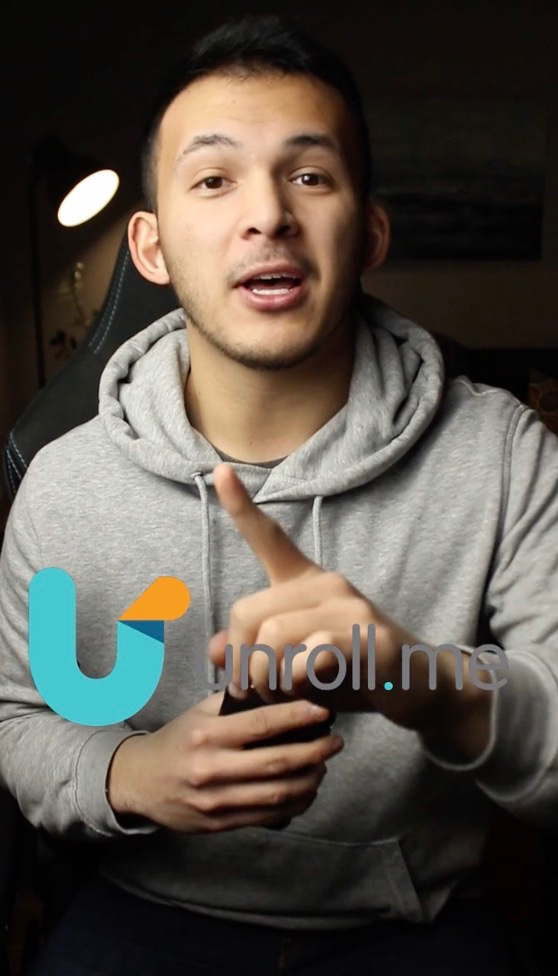
The agency inBeat opened a TikTok ad for the email app Unroll.me with the line “Does your inbox look like this?”, aimed at viewers with cluttered inboxes. The question named the audience’s specific problem.
3. The Creator Testimonial Hook
A creator testimonial hook uses a real person describing personal use, in a format such as “I tried this and here is what happened.” This format reduces the viewer’s tendency to skip an ad. The creator’s tone should match the target audience, and the delivery should be conversational.
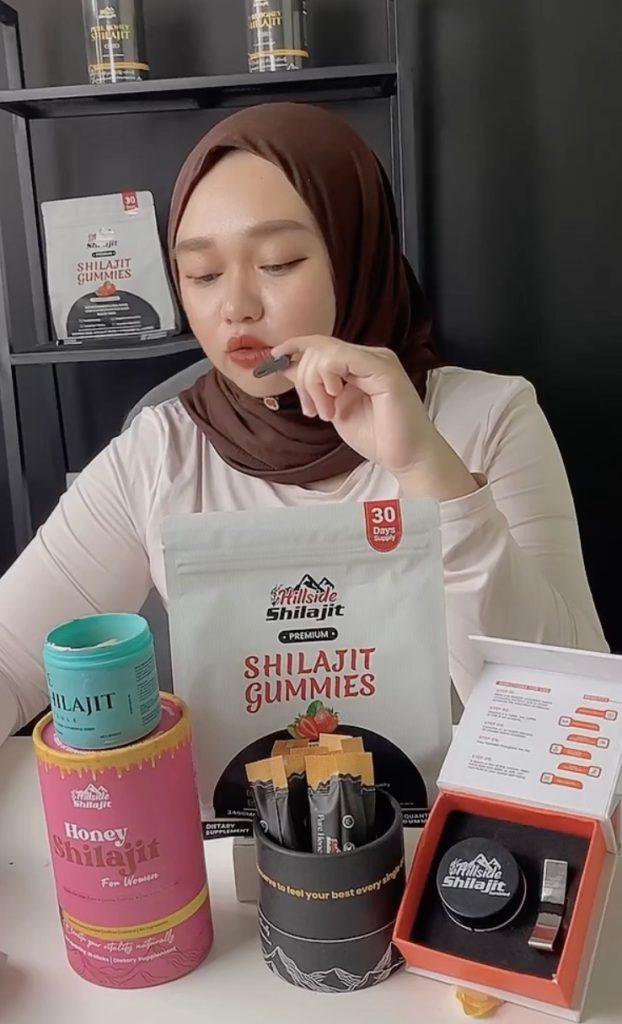
The wellness brand Hillside Shilajit used creator and affiliate videos as its primary ad format. TikTok’s case study reports that creator content was the primary driver of growth and produced the majority of the brand’s sales, with order volume increasing 227% in a single quarter and the brand reaching the top position in its category in Malaysia within a year.
4. The Pattern Interrupt Hook
A pattern interrupt hook breaks the visual rhythm of the feed. Raw, low-production footage tends to do this more effectively than polished studio footage because it does not read as an advertisement. Common methods include an unexpected first frame, fast cuts, or starting mid-action.
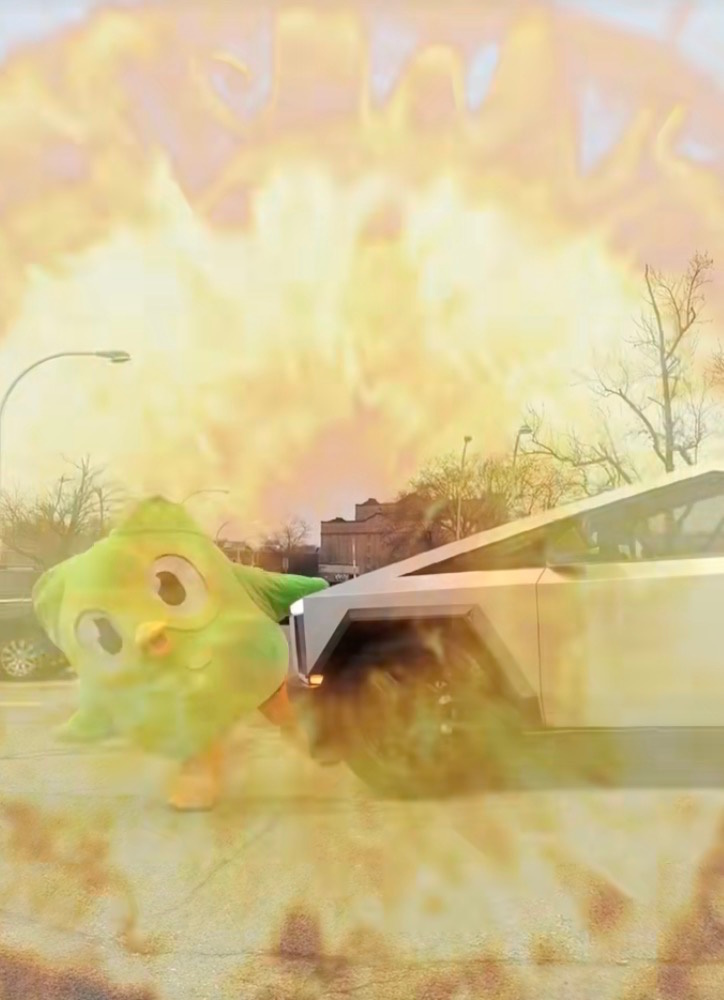
Duolingo’s “Dead Duo” campaign used raw, lo-fi mascot footage and an escalating absurdist narrative, starting with a changed app icon, to break the feed’s visual rhythm. The campaign drove 49% daily active user growth in Q1 2025. Overproduced, television-style ads are more likely to be scrolled past. The unpolished format helped the content feel native to the feed rather than intrusive.
5. The Authentic Hook
An authentic hook removes the sales framing. It shows real people, staff, or genuine product use. It is appropriate for brands prioritizing trust over urgency or focused on repeat purchases.
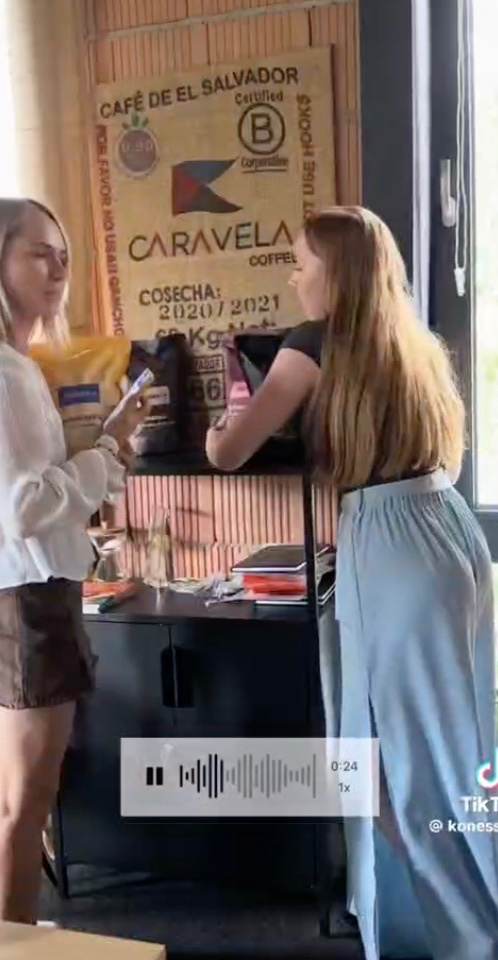
The online coffee shop Konesso ran a TikTok campaign that moved away from sales-led hooks and focused on the brand and its employees. TikTok’s case study reports the campaign increased ROAS by 51.8% and revenue by 80.4%.
TikTok Ad Hooks at a Glance
| Hook Type | Best For | Real Example |
| Result-First | Products with a clear visual win | DOT’S Pretzels showcase ad |
| Question | Naming a specific pain point | Unroll.me “Does your inbox look like this?” |
| Creator Testimonial | Lowering ad resistance with trust | Hillside Shilajit creator and affiliate ads |
| Pattern Interrupt | Stopping the scroll visually | Duolingo ‘Dead Duo’ campaign |
| Authentic | Trust-led, longer relationships | Konesso coffee campaign |
How to Choose the Right Hook Type for Your Product Ads?
A result-first hook is the natural fit when the product has a fast, visible transformation. Skincare before-and-afters, home renovations, meal kits, because the outcome does the selling in a single frame. When the product instead solves a specific, nameable frustration (e.g., inbox overload, tangled cables, slow WiFi), a question hook works better. This is because it calls out the pain and earns the next few seconds of attention from anyone who recognizes it.
Trust-dependent categories like supplements and skincare face a harder problem: the viewer needs to believe the product works before they care about the pitch. That is where a creator testimonial hook earns its place, because a familiar voice lowers resistance in a way a brand account cannot.
In crowded categories where the product itself is not visually distinct, a pattern interrupt hook shifts the strategy from what you say to how you break the feed’s visual rhythm. And for premium or relationship-driven brands that depend on repeat purchases rather than impulse buys, an authentic hook trades short-term urgency for the kind of trust that compounds over time.
Testing two or three types against the same product before committing is the most reliable method, because the highest performer is often not the expected one.
Tips to Make Any TikTok Hook Convert
The five hook types above handle the opening seconds differently, but once a viewer is past the hook, the same fundamentals apply across all of them.
Front-load the message. The first one to three seconds function as a standalone hook because those opening moments largely determine whether a viewer keeps watching or scrolls past. Focus on vertical ads, and make sure the message lands visually too, since many viewers never turn on the sound. Add on-screen captions that reinforce the spoken hook.
Test in batches using a framework of five hooks, two proof types, and three CTAs to create up to 30 variations from a single concept. Batch testing only works if the body delivers on what the hook promised. A result-first opener that cuts to a generic product walkthrough breaks viewer expectations and causes retention to drop.
Finally, keep the format native throughout. Real voices, trending sounds, and fast cuts help your ad blend naturally into the feed, giving viewers more time to engage with your message.
GetHookd Turns Hook Research Into a Testing Pipeline
Picking the right hook type matters more than picking the flashiest one, and the five patterns above cover most products and audiences advertisers will face in 2026. The teams that win aren’t the ones with the biggest budgets, but the ones testing in batches and matching hook type to what the product can actually show.
That’s the gap GetHookd closes. With a searchable database of 65M+ ads and AI tools that turn winning patterns into testable scripts in seconds, we help teams build a defined hook-testing pipeline instead of starting from a blank page. Try GetHookd to find your next winning hook.
Frequently Asked Questions (FAQs)
What is a hook rate and how is it measured?
Hook rate is the share of impressions that watch past the first few seconds, usually measured as two- or three-second views divided by total impressions. It isolates opener performance from the rest of the ad. A low hook rate points to a weak opening; a high hook rate with low conversions points to a problem later in the video.
Should the on-screen text repeat the spoken hook or add new information?
Both approaches are used. Repeating the spoken line reinforces the message for sound-off viewers and is the safer default. Adding a separate text layer can introduce a second angle, such as a stat or a contrasting claim, which suits split-testing. Mismatched audio and text tend to reduce comprehension, so the two should stay aligned in tone.
Do I need technical skills to find winning ad hooks?
No. Hook research requires no code, data team, or technical setup. Tools such as GetHookd are point-and-click, with search across live ad libraries, filtering by niche, and saving of selected openers. The relevant skill is creative judgment about which hooks fit a given offer and audience.
Is it legal to model my hooks on a competitor’s ads?
Studying competitor ads for angles, structures, and formats is standard practice and is supported by public ad libraries. The line is copying. Reusing a competitor’s exact script, footage, logo, or distinctive creative can raise trademark or copyright issues. Modeling the pattern while producing original copy and visuals avoids that risk.
How does GetHookd help me find and recreate winning hooks?
GetHookd provides a searchable database of 65M+ ads across Meta and TikTok, showing which competitor ads are actively scaling. Brand Spy reveals top-performing creatives and landing pages, while AI-powered features like Creative Analysis, Video Scripts, and Clone Ads help you identify winning patterns and turn proven hooks into testable ad variations, with no technical skills required.
*Note: Pricing and/or product availability mentioned in this post are subject to change. Please check our website for current pricing and stock information before making a purchase.