Key Takeaways
- The four best Us vs Them ad examples to copy in 2026 are Apple’s Get a Mac, Wendy’s Fresh Never Frozen, Liquid Death’s anti-plastic push, and Dollar Shave Club’s launch against Gillette.
- One product truth repeated across many formats beats a rotating list of weak features. Wendy’s and Dollar Shave Club both won by committing to a single verifiable edge rather than constantly rotating new claims.
- Naming a category-wide enemy outperforms naming a specific competitor. Liquid Death targets plastic and sugar rather than a single brand, keeping the campaign legally safe and broader in appeal.
- The best Us vs Them ads imply rather than name rivals directly. Apple never mentioned Microsoft, and Dollar Shave Club rarely named Gillette, keeping comparisons sharp without inviting legal risk.
- With GetHookd, our Brand Spy and Creative Analyzer help marketers find Us vs Them ads competitors are scaling, then turn them into testable variations.
The Comparison Ad Format Marketers Keep Copying
The 4 best Us vs Them ad examples to copy in 2026 are Apple’s Get a Mac, Wendy’s Fresh Never Frozen, Liquid Death’s anti-plastic and anti-soda push, and Dollar Shave Club’s launch against Gillette. Each one has a clear rival, picks a single sharp contrast, and gives buyers a fast reason to switch sides.
The format keeps showing up in winners’ rooms because it answers the one question every cold-traffic viewer is silently asking: “Why should I switch?” A well-built Us vs Them ad answers that in the first three seconds, which is exactly the window Meta’s algorithm uses to decide whether to keep serving the creative.
Below, we break down what made each ad scalable, which creative elements held up over years of paid spend, and where the format fits in your testing plan. A side-by-side comparison table sits before the wrap-up so your team can pick the closest match for your category.

GetHookd: Turn Competitor Intelligence Into Your Next Winning Ad
GetHookd reveals which ads your competitors are actively scaling—not just running. Spy on their best-performing creatives, landing pages, and traffic strategies, then turn proven concepts into testable campaigns in seconds with AI-powered script generation and creative cloning.
What You Get:- ✓ Brand Spy to decode competitor ad strategies in real-time
- ✓ AI script generation and ad cloning for instant variations
- ✓ Performance scoring based on actual ad behavior, not vanity metrics
- ✓ Creative Analyzer to identify and scale your top performers
Top 4 Us vs Them Ad Examples to Copy in 2026
1. Apple “Get a Mac” Campaign
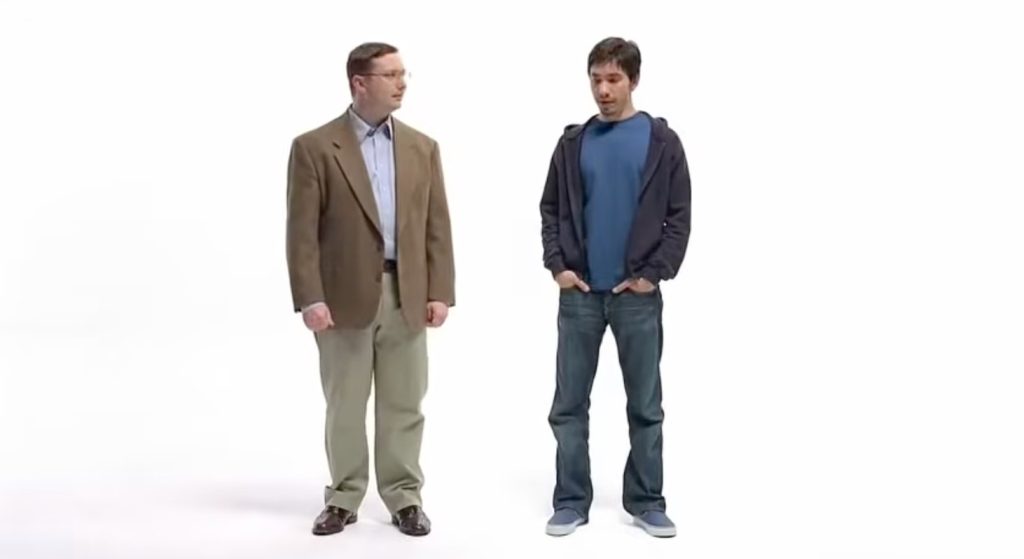
Apple’s Get a Mac campaign ran from 2006 through 2009 across television and digital, producing dozens of short spots that media buyers still reference today. The format paired a casual, hoodie-wearing Mac character (Justin Long) with a stiff, suit-wearing PC character (John Hodgman). Each spot showed the PC struggling with crashes, viruses, bloated software, or a complicated setup, while the Mac handled the same task with quiet ease.
What made the format work for marketers to copy was the personality-driven contrast rather than feature lists, the short, repeatable scene structure that scaled into dozens of variations, and the subtle ridicule that never named Microsoft directly. The campaign turned a category fight into character comedy, which kept the tone friendly while still landing the punch.
For 2026 Meta creative, the framework holds up at the ad set level. Each scene was a 30-second concept with one problem, one contrast, and one payoff. That structure reduces production costs, simplifies split testing, and gives your team a creative system rather than a one-off hero ad. Performance marketers can rebuild the same template with their own product as the easy choice and the category’s “old way” as the awkward rival.
If you sell software, premium consumer tech, or any product where customer experience is a real differentiator, the Get a Mac framework is still one of the cleanest Us vs Them blueprints available. Pair it with implied rather than named rivals, and you keep the format legally safe while it does the persuasion work.
2. Wendy’s “Fresh, Never Frozen” Campaign
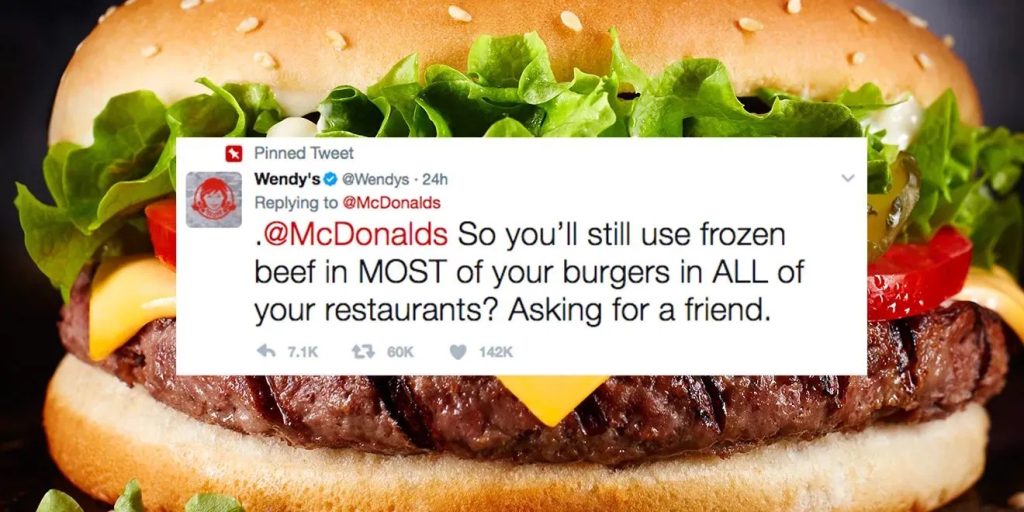
Wendy’s has built a multi-year Us vs Them story around a single product fact: their hamburger beef is fresh, never frozen. The angle traces back to founder Dave Thomas in 1969, was reinforced by the 1984 “Where’s the Beef?” campaign that mocked competitors’ small patties, and continues today across paid Meta ads, in-store signage, and social posts.
The reason this campaign keeps producing winning creative is product truth. Wendy’s is not inventing a fight. They are showing a real difference in ingredients and turning it into a story customers can verify with one bite.
For e-commerce and DTC operators, the takeaway is to find one verifiable product truth your competitors cannot match: better ingredients, faster shipping, longer warranty, no subscription lock-in, or any honest edge you actually have. Once you find that truth, build every comparison ad around it. One product truth, repeated for years across different formats, beats a rotating list of weak features every time.
3. Liquid Death vs Big Soda & Plastic Water
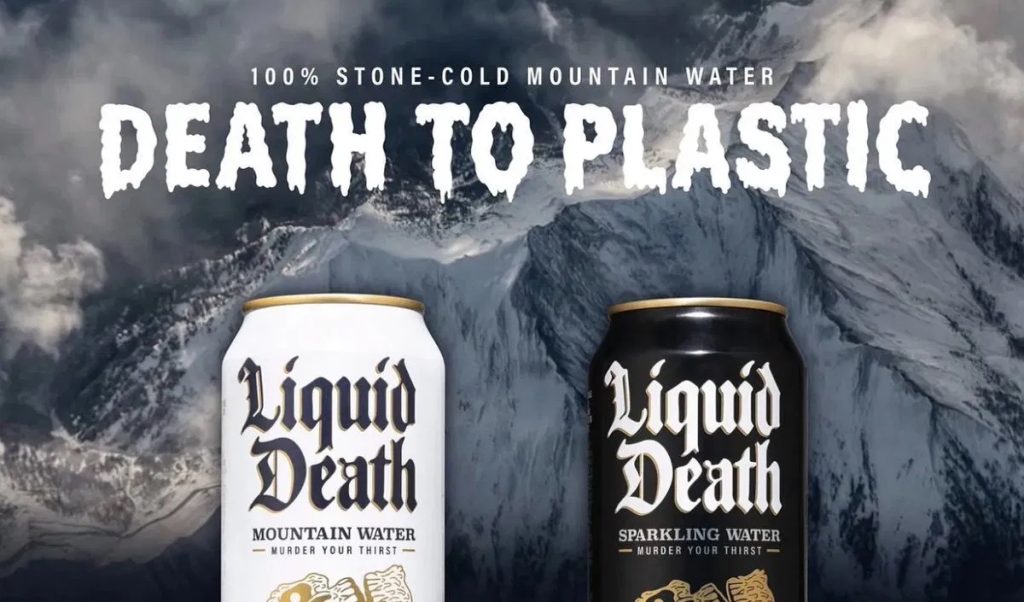
Liquid Death sells water in tallboy aluminum cans. Founded in 2019, the brand is built entirely on an Us vs Them play against two enemies at the same time: sugary soda for being unhealthy, and plastic water bottles for being bad for the planet. Their Meta and Facebook Ad Library creatives lean into heavy metal aesthetics, mock horror tropes, and shock humor to make canned water feel rebellious rather than boring.
The brand’s paid ads have featured kids drinking “death” in fake commercials, satirical infomercials, and creator-style spots that look more like comedy sketches than beverage marketing. The contrast between a wholesome product (clean water) and an aggressive brand world (skulls, distorted guitars, mock violence) is the core hook.
If your product solves a problem the broader industry refuses to fix, the Liquid Death framework gives you a template for turning that fight into long-running creative customers actually want to share. Their best Meta ads work because the enemy feels universal rather than personal, which keeps the campaign legally safe and broad in its appeal to audiences. For founders launching in saturated categories, picking a category-wide villain gives you more creative runway than naming a single rival.
4. Dollar Shave Club vs Gillette
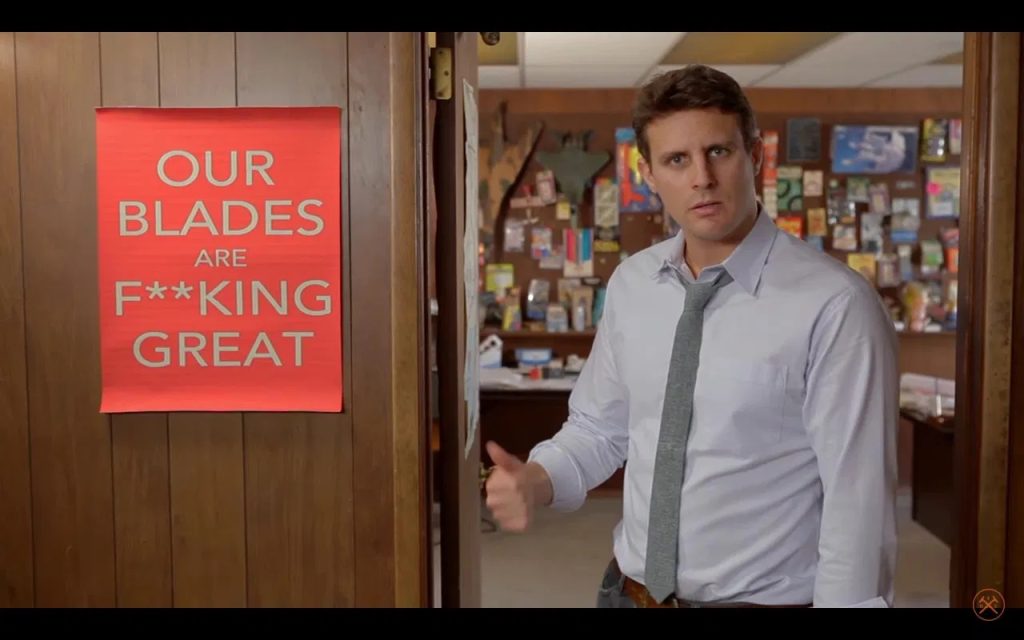
Dollar Shave Club launched in 2012 one of the most studied Us vs Them ads in DTC history: a launch video framing traditional razor brands as overpriced, bloated, and stuck in old retail. The hook was simple. Razors should cost a few dollars a month, ship to your door, and not require a glass case at the drugstore. The video drove millions of views, tens of thousands of orders, and a successful exit to Unilever in 2016.
The years of paid Meta ads that followed kept reinforcing the same angles: pricing, convenience, and a tone that treated buyers as adults rather than marketing targets. The implied rival was always Gillette, but the brand rarely named the company directly, which kept the comparison sharp without inviting legal trouble.
The takeaway for DTC operators in 2026 is direct. If a category leader is charging premium prices for a basic product and hiding behind brand legacy, an Us vs Them ad built around price, access, and honesty still converts cold traffic on Meta. The format scales for razors, supplements, pet food, contact lenses, vitamins, oral care, and dozens of other replacement categories where customers buy on autopilot and feel mildly ripped off.
4 Best Us vs Them Ads Examples: Comparison Table
| Brand | Enemy / “Them” | Core Contrast | Best For Copying In |
| Apple “Get a Mac” | PC / Microsoft (implied) | Personality and ease of use | SaaS, software, premium consumer tech |
| Wendy’s | Fast food rivals (implied) | Fresh beef vs frozen patties | Food, ingredients, DTC product truth |
| Liquid Death | Plastic water, sugary soda | Health and environment vs status quo | Beverage, wellness, lifestyle DTC |
| Dollar Shave Club | Gillette (implied) | Price and convenience vs legacy retail | Subscription, DTC, low-cost replacements |
How GetHookd Helps You Copy These Us vs Them Ads Faster
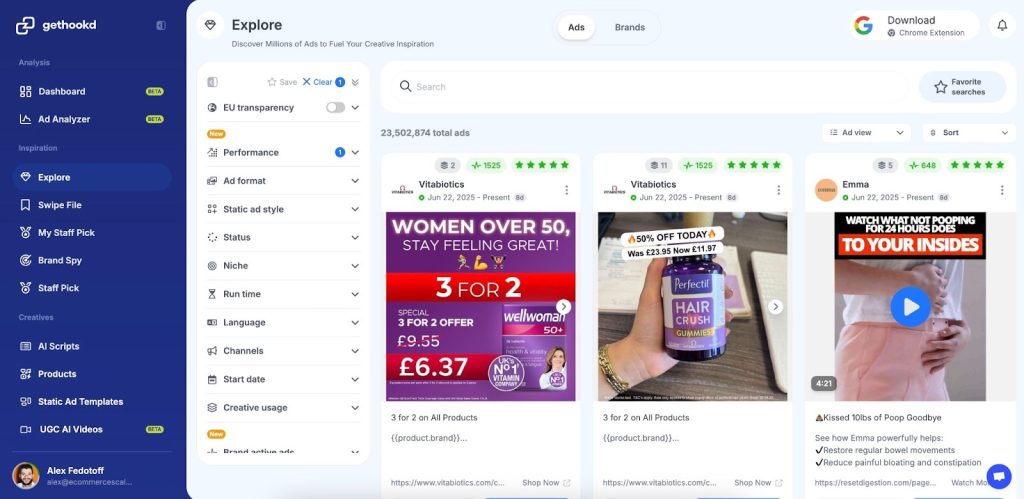
The four ads above work for the same reason: each brand picks a clear enemy, commits to one sharp contrast, and treats the format as a long-running creative system instead of a single ad. The hard part is spotting which Us vs Them ads in your own niche are actually scaling right now, and that’s where GetHookd comes in.
Our Brand Spy and Creative Analyzer show you the Us vs Them ads competitors are putting real spend behind across Meta and the Facebook Ad Library, drawing on 65 million ads with fresh creatives indexed daily. Once you find an angle worth copying, our Ads Transcription, Video Scripts, and Clone Ads tools turn it into testable variations in minutes, so you spend your week shipping ads instead of scrolling the Ad Library. Start your free trial today and find your next winning angle.
Frequently Asked Questions (FAQs)
Are Us vs Them ads risky from a legal standpoint?
They can be if you name competitors directly and make false or misleading claims. Most successful campaigns avoid this by leaving the rival implied, focusing on category norms, or making clearly comparative claims that are backed by verifiable product facts. Legal teams usually approve implied rivals faster than direct callouts.
How often should I refresh my Us vs Them ad creative?
Most performance marketers refresh winning Us vs Them angles every two to four weeks once frequency climbs above two on cold audiences. The framework itself can run for years, but the visuals, hooks, and openings need ongoing iteration to keep cost per result stable across cold and warm segments on Meta.
Do Us vs Them ads work for B2B and SaaS brands?
Yes, and B2B works especially well here. SaaS brands often run some of the strongest Us vs Them campaigns because their buyers are comparing solutions anyway. Framing your tool against legacy software, manual spreadsheets, or status quo workflows gives prospects a clear reason to switch.
Can I run an Us vs Them ad without naming the competitor?
Yes, and most marketers should. Implied rivals (the “old way,” “the bigger brand,” “the legacy tool”) keep you safe from legal pushback and let viewers fill in the name themselves. That mental fill-in often makes the ad land harder than a direct callout would, since the viewer feels smart for solving it.
How does GetHookd help me find Us vs Them ads that competitors are running?
GetHookd indexes 65 million ads across Meta and the Facebook Ad Library, with filters and AI search that surface Us vs Them-style creatives by angle, brand, or niche. Our Brand Spy then shows which of those ads competitors are actively scaling, instead of merely running them, so you only copy the winners.
*Note: Pricing and/or product availability mentioned in this post are subject to change. Please check our website for current pricing and stock information before making a purchase.