Key Takeaways
- Weight loss is one of the most restricted ad categories on Meta, so creative compliance and trust signals matter more than aggressive promises or volume of testing.
- Most underperforming ads in this niche still rely on polished studio footage, generic claims, or hard-sell offers that get throttled by delivery and ignored by skeptical buyers.
- The three formats actually scaling in 2026 are short-form journey videos, UGC testimonials, and free-value lead offers, and GetHookd lets you see which versions of each format competitors are pouring budget into across 65M+ Meta ads.
- A free-value offer like a quiz or meal plan can cut cold-traffic friction enough to shift CPAs into a different bracket compared to a direct purchase ad pointed at the same audience.
- GetHookd surfaces the exact hooks, opening seconds, and landing pages competitors are scaling so you can rebuild a tested winner instead of writing the next ad from a blank page.
What Actually Works in Weight Loss Facebook Ads (2026)
The three weight loss Facebook ad formats actually working in 2026 are short-form journey videos, UGC testimonials, and free-value lead offers. Short-form journey videos open on a relatable struggle and walk through an emotional shift, UGC testimonials let real customers describe lifestyle changes in their own words, and free-value offers trade a quiz, meal plan, or calculator for an opt-in before any sales ask appears. Which format fits depends on whether your audience is cold and skeptical, mid-funnel and curious, or warm enough to consider buying.
Weight loss remains one of the most scrutinized ad categories on Meta, and the gap between an ad that scales and an ad that gets throttled now sits almost entirely in creative judgment, not budget.
If you’re running cold traffic in this niche, the three formats below cover the structures, hooks, and compliance moves most likely to clear Meta and convert in 2026.

GetHookd: Turn Competitor Intelligence Into Your Next Winning Ad
GetHookd reveals which ads your competitors are actively scaling—not just running. Spy on their best-performing creatives, landing pages, and traffic strategies, then turn proven concepts into testable campaigns in seconds with AI-powered script generation and creative cloning.
What You Get:- ✓ Brand Spy to decode competitor ad strategies in real-time
- ✓ AI script generation and ad cloning for instant variations
- ✓ Performance scoring based on actual ad behavior, not vanity metrics
- ✓ Creative Analyzer to identify and scale your top performers
1. Short-Form Video Ads That Show a Real Journey
Short-form video is the best-performing format in the weight loss niche because it feels authentic and builds trust quickly. A video of a real person sharing their experience usually outperforms polished, studio-style ads.
The key is realism. Phone-shot, UGC-style content from real customers consistently beats heavily produced creatives because it feels more honest and relatable. Imperfection actually improves performance in this niche.
Winning videos are typically a few seconds for cold audiences, starting with a relatable problem in the first few seconds, followed by a personal journey focused on emotions, and ending with a soft CTA like “learn more” or “see if this works.” Captions are essential since most users watch without sound.

Why Authentic Storytelling Beats Product Pitches
Weight loss is emotional, not logical. People respond more to personal struggles and real experiences than to product features or ingredient lists.
Messages like “I tried everything for years until this worked” perform better than technical claims because they match how users actually feel, not just what the product does.
The Exact Structure of a High-Performing Weight Loss Video Ad
Strong ads follow a simple flow: problem, validation, shift, result, and invitation. This mirrors how people naturally process decisions. They open with a clear struggle, quickly validate the viewer’s experience, show what changed, highlight an emotional or lifestyle result, and end with a low-pressure CTA like “see if this is right for you.”
How to Stay Compliant While Still Showing Transformation
Transformation still drives results, but it must be shown through lifestyle changes instead of before-and-after body shots. Showing confidence, daily habits, or improved energy works better and stays within Meta’s rules.
Copy also matters. Phrases like “I feel like myself again” or “more energy every day” perform well, while specific weight loss claims are restricted. Focusing on experience over numbers keeps ads both compliant and effective.
2. User-Generated Content Testimonial Ads
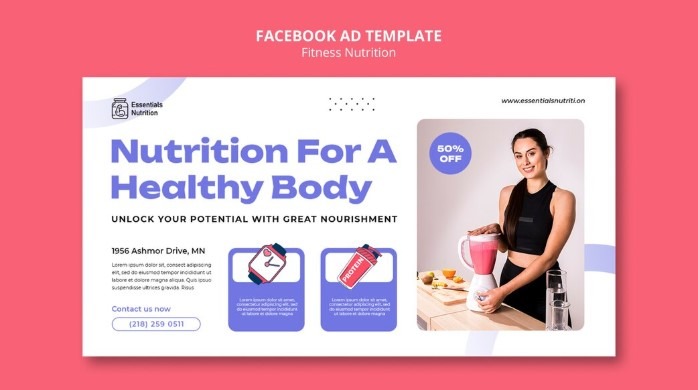
UGC testimonial ads are the closest thing to word-of-mouth in digital advertising, and in the weight loss niche, trust is the main driver of performance. When real customers share their experience in their own words, it feels more credible and converts better on cold audiences.
The key strength is identification. Viewers quickly see someone like themselves describing a familiar struggle, which lowers skepticism and shifts their mindset from “is this real?” to “could this work for me?”
Why UGC Ads Get Higher Trust Scores From Facebook’s Algorithm
Facebook prioritizes predicted engagement, not just spend. UGC ads consistently generate higher saves, shares, and positive interactions, especially in health niches. These signals improve estimated action rates, which leads to lower CPMs and better delivery.
In practice, this means UGC often performs better and costs less to run, making it one of the most efficient creative formats in paid social.
The Right Way to Feature Customer Results Without Violating Policies
Meta allows customer stories but restricts how results are shown. The key is avoiding specific weight claims or body comparisons.
Compliant messaging focuses on lifestyle and emotional outcomes like “I feel more confident” instead of “I lost 20 pounds.” The most effective UGC highlights energy, habits, and mindset shifts, which both stay compliant and often perform better emotionally.
3. Free Value Offer Ads With a Personalized Hook
This ad type removes the hard sell completely. Instead of asking for a purchase, it offers something useful for free, like a meal plan, quiz, calculator, or short challenge, and uses that to start the customer journey. In weight loss, where skepticism is high, this approach lowers resistance and builds trust early.

Why “Get Your Free Plan” Outperforms “Buy Now” in This Niche
Cold audiences in weight loss are rarely ready to buy immediately. They’ve usually tried multiple solutions before, so direct sales messaging creates friction. A free, relevant offer removes that pressure and feels low-risk, which increases clicks.
Once the user opts in, the focus shifts to nurturing, through email, retargeting, and value-based content, before introducing the paid offer after trust is built, usually within a few days.
How to Build a Lead Funnel Around a Free Offer Ad
A free offer ad works as the top of a funnel, not a standalone conversion point. It leads to a landing page where users typically answer a few short questions before receiving their personalized result. That small step increases engagement because the outcome feels tailored rather than generic.
Examples of Free Value Hooks That Drive Low-Cost Clicks
Strong hooks are always specific, relevant, and feel personalized. Generic offers tend to underperform because they don’t create curiosity or relevance.
Common high-performing structures include “Answer 3 questions and get your free personalized meal plan,” which uses a quiz format to increase engagement before the click. Another is “Free 7-day challenge for women over 40 who want more energy,” which works through precise audience targeting.
Tool-based hooks like “Get your free metabolic calculator” position the offer as high-value and practical, while problem-led hooks like “Why you’re not losing weight despite eating less” perform well by validating a common frustration before offering a solution.
Weight Loss Facebook Ads: What Works vs How to Execute It
| Ad Type | What It Is | Why It Works | How to Execute It |
| Short-Form Video Ads | Phone-shot, real journey videos from individuals sharing their experience | Builds fast trust through authenticity and emotional storytelling | Start with a relatable struggle, show an emotional journey, end with a soft CTA; keep it unpolished and add captions |
| UGC Testimonial Ads | Real customers speaking in their own words about their experience | Feels like word-of-mouth and reduces skepticism in cold audiences | Focus on lifestyle and emotional transformation instead of numbers or scripted messaging |
| Free Value Offer Ads | Free tools like quizzes, meal plans, or calculators are used to generate leads | Reduces friction and builds trust before asking for a purchase | Use personalized hooks, simple opt-in steps, and nurture users through a funnel before selling |
How GetHookd Users Build Scalable Weight Loss Ads Without Guessing
The fastest path to a winning weight loss ad in 2026 is to copy the structural pattern of an ad already scaling in your niche, whether that’s a short-form journey video, a UGC testimonial, or a free-value offer. Writing from a blank page in a restricted category wastes both budget and Meta’s patience.
GetHookd shows which of those formats competitors are actively pouring spend into across 65M+ Meta ads, plus the exact hooks, opening seconds, and landing pages doing the work, so your next test starts from a proven structure instead of a guess.
Start finding winning ads, not guessing them
Frequently Asked Questions (FAQs)
Can I Use Before-and-After Photos in Weight Loss Facebook Ads in 2026?
Before-and-after photos are risky in weight loss ads today. They can still get flagged or limited because they often feel misled or overly focused on body comparison. Most advertisers now use lifestyle transformation instead, showing confidence, energy, and daily life changes, which is both safer and often more effective.
What Ad Format Works Best for Weight Loss Campaigns on Facebook?
Short-form video is the strongest format because it feels real and builds trust quickly. UGC-style videos usually outperform polished creatives since they feel more authentic. Most successful campaigns combine video for awareness, testimonials for engagement, and free offers for lead generation.
How Do I Write Weight Loss Ad Copy That Meta Won’t Reject?
Focus on feelings instead of physical outcomes. Instead of promising specific weight loss, highlight emotional shifts like feeling better, more confident, or more energized. Avoid direct body targeting or anything that implies the viewer needs “fixing,” and keep language relatable and experience-based.
What Is the Best CTA for a Weight Loss Facebook Ad?
For cold audiences, soft CTAs like “Learn More” or “Take the Free Quiz” work best because they feel low-pressure. For warmer audiences, more direct CTAs like “Get Started” or “Claim Your Plan” perform better. The key is matching the CTA to how familiar the audience already is with your offer.
How Do Top Advertisers Consistently Come Up With Winning Weight Loss Ad Ideas?
Top advertisers don’t guess, they study what’s already working in the market, especially short-form video, UGC testimonials, and free-value offers, then adapt those proven patterns into their own ads. GetHookd helps streamline this process by analyzing real Meta ad activity at scale, showing what competitors are scaling and turning those insights into faster, more confident creative decisions.
*Note: Pricing and/or product availability mentioned in this post are subject to change. Please check our website for current pricing and stock information before making a purchase.