Key Takeaways
- Instagram leads makeup advertising because its full-funnel system connects browsing to purchase through Reels, Stories, and shoppable posts. Engagement signals like saves and shares matter more than reach, with UGC driving most results.
- Rhode Beauty’s “glazed lip” campaign shows how participation-led marketing creates virality. Founder content, influencer seeding, and UGC formed a loop that turned attention into conversions through shoppable content.
- Micro-influencer seeding works better than traditional influencer deals because smaller creators build stronger trust in niche audiences. Scaling across many micro-creators creates steady, authentic content.
- Celebrity campaigns only succeed when there is a strong product–persona fit. When alignment is natural, it builds trust; when it isn’t, even high reach fails to convert.
- GetHookd helps marketers do this by analyzing real Meta ads and competitor creatives to find beauty ads faster and turn them into repeatable campaigns.
The Modern Instagram Makeup Advertising Playbook
Instagram remains the leading platform for makeup ads in 2026 because its visual-first ecosystem, Reels, Stories, shoppable posts, and product tags, allow users to move smoothly from browsing to purchase. Engagement matters more than reach, with saves, shares, and comments acting as stronger indicators of purchase intent than passive impressions.
High-performing beauty campaigns follow the same pattern: Rhode’s viral “glazed lip” moment, micro-influencer seeding strategies, and celebrity partnerships that align closely with personal identity. Across all of them, success comes from authenticity, participation-driven content, and UGC that turns audiences into active contributors rather than passive viewers.
The brands that consistently perform are the ones that study what’s already working and build on proven creative signals instead of guessing. GetHookd helps make that process faster by analyzing real competitor ads and creative strategies across Meta, so teams can identify high-performing patterns early and scale them with confidence.

GetHookd: Turn Competitor Intelligence Into Your Next Winning Ad
GetHookd reveals which ads your competitors are actively scaling—not just running. Spy on their best-performing creatives, landing pages, and traffic strategies, then turn proven concepts into testable campaigns in seconds with AI-powered script generation and creative cloning.
What You Get:- ✓ Brand Spy to decode competitor ad strategies in real-time
- ✓ AI script generation and ad cloning for instant variations
- ✓ Performance scoring based on actual ad behavior, not vanity metrics
- ✓ Creative Analyzer to identify and scale your top performers
GetHookd: Turn Competitor Intelligence Into Your Next Winning Ad
GetHookd reveals which ads your competitors are actively scaling—not just running. Spy on their best-performing creatives, landing pages, and traffic strategies, then turn proven concepts into testable campaigns in seconds with AI-powered script generation and creative cloning.
What You Get:- ✓ Brand Spy to decode competitor ad strategies in real-time
- ✓ AI script generation and ad cloning for instant variations
- ✓ Performance scoring based on actual ad behavior, not vanity metrics
- ✓ Creative Analyzer to identify and scale your top performers
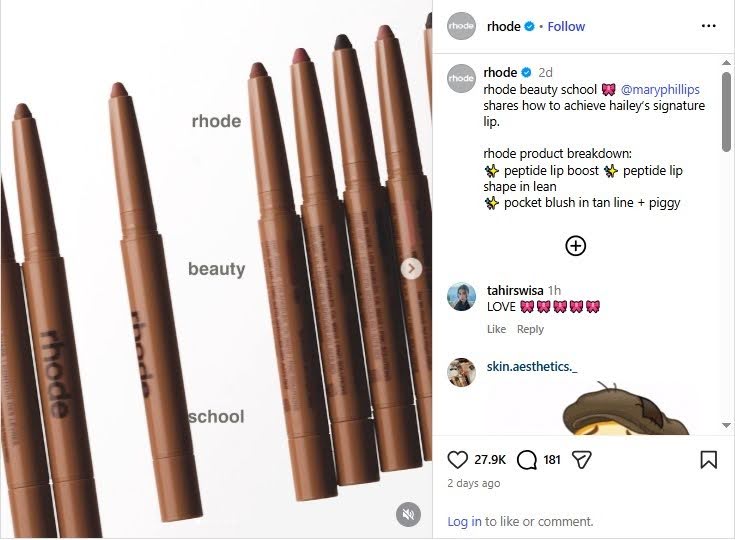
Rhode Beauty: Hailey Bieber’s Peptide Lip Viral Challenge
Rhode Beauty didn’t just launch a product; it created a viral Instagram moment. Instead of heavy ad spend, the campaign leaned into Hailey Bieber’s “glazed donut” aesthetic and invited the beauty community to participate, not just consume.
How the Campaign Was Structured on Instagram
The campaign started with Hailey Bieber’s organic posts, which quickly set the visual direction. From there, product seeding to micro and mid-tier influencers triggered a wave of authentic Reels and first-impression content focused on the lip treatment’s glossy finish.
UGC ads became the core engine. Rhode amplified top-performing creator posts and turned them into shoppable Instagram content, closing the gap between browsing and purchase. The “glazed lip” idea also encouraged users to recreate and share their own looks, sustaining momentum across feeds.
What Makeup Advertisers Can Steal From Rhode’s Playbook
The real lesson isn’t celebrity power, it’s participation-driven design. Rhode created a concept that people could easily replicate, post, and share, and convert users into distributors.
Start with a strong organic anchor, seed it to aligned micro-influencers, then amplify the best UGC through paid Instagram ads. This organic-to-paid loop is what turns product launches into scalable viral moments.
Micro-Influencer Product Seeding: How Small Creators Drive Big Beauty Sales
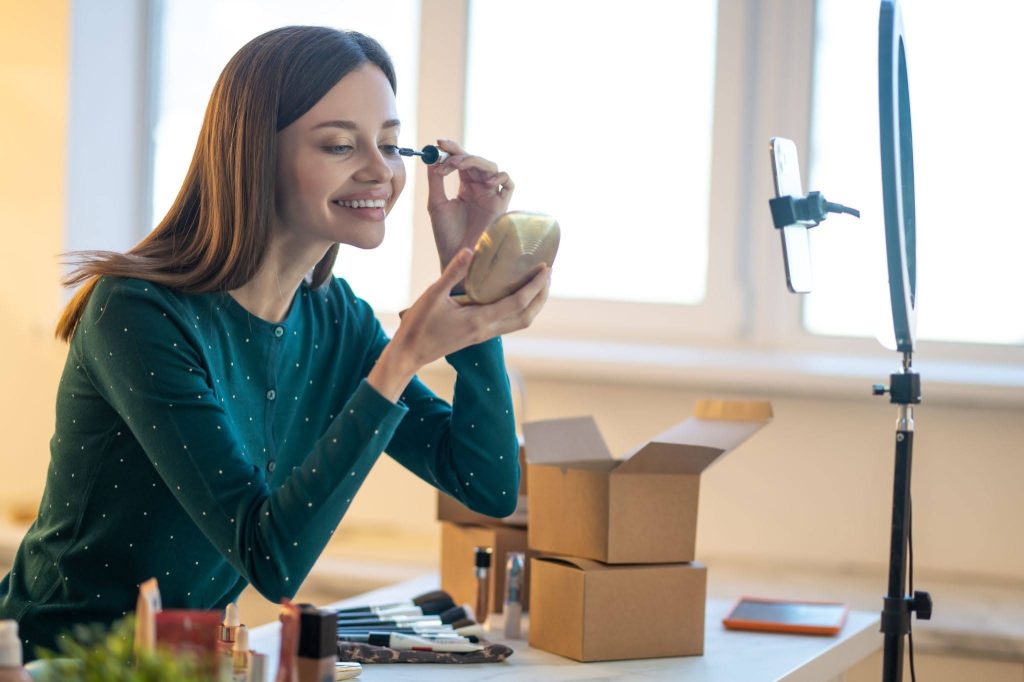
The biggest shift in Instagram makeup advertising isn’t a new format; it’s who delivers the message. Beauty brands are increasingly prioritizing micro-creators with smaller but highly engaged, niche audiences over traditional mega-influencers.
Why Brands Are Ditching Mega-Influencers for Everyday Creators
Instead of chasing mass reach, brands are focusing on creators who have stronger community-level trust. Micro-influencers tend to feel more relatable, so their tutorials, reviews, and routines come across as genuine recommendations rather than paid promotions.
This shift is especially important in beauty, where purchase decisions are heavily influenced by perceived authenticity and personal experience.
How Stack Influence Automates Product Seeding at Scale
Managing micro-influencer campaigns manually can quickly become complex, from outreach and product shipping to tracking content across dozens of creators. Platforms like Stack Influence simplify this by automating product seeding and UGC collection at scale.
Celebrity Brand Partnerships: When a Famous Face Converts on Instagram
Celebrity-backed beauty brands are everywhere on Instagram, but only a few successfully turn fame into consistent sales. The difference isn’t reach or recognition, it’s whether the product feels like a natural extension of the celebrity’s real beauty identity. When it aligns, it converts. When it doesn’t, audiences disengage quickly.

What Separates a High-Converting Celebrity Ad From a Forgettable One
The most important factor is simple: product–persona fit. When a celebrity already embodies the aesthetic or lifestyle the product represents, the ad feels natural.
How Authenticity Determines Whether the Ad Actually Sells
Authenticity is the core driver of performance in celebrity-led Instagram ads. Campaigns that feel like genuine product use, not staged promotion, consistently generate stronger engagement and higher purchase intent.
The most effective celebrity makeup ads don’t look like ads at all. They resemble everyday content shared by someone who genuinely uses and enjoys the product, and that perception is what ultimately drives conversions.
Instagram Makeup Ad Strategies: Key Campaign Comparison
| Campaign Type | How It Works | What Made It Effective | Key Takeaway |
| Rhode Beauty — Viral “Glazed Lip” Challenge | Combined with Hailey Bieber’s organic posts, influencer seeding, and strong UGC participation | Turned a simple aesthetic into a viral, community-driven content loop with shoppable Instagram posts | Participation-driven campaigns can turn product launches into viral sales moments |
| Micro-Influencer Product Seeding | Uses multiple small creators to showcase real product use through tutorials, reviews, and routines | Builds trust through relatable content and generates steady UGC across niche audiences | Smaller creators often outperform larger influencers in driving authentic engagement |
| Celebrity Brand Partnerships | Relies on celebrity-led campaigns where the product aligns with the celebrity’s identity and lifestyle | Performs best when content feels natural and matches the celebrity’s established aesthetic | Product–persona fit is the key driver of conversion in celebrity ads |
Turning Instagram Beauty Ad Signals Into Repeatable Wins With GetHookd
The most effective Instagram makeup advertising strategies come from understanding what’s already working in the market before launching new campaigns. Whether it’s celebrity partnerships, micro-influencer seeding, or UGC-driven moments, the brands that win consistently are the ones that build on proven creative patterns instead of relying on guesswork.
At GetHookd, we make this process actionable by helping performance marketers and beauty brands analyze real competitor ads, landing pages, and creative strategies across Meta’s ecosystem. Instead of manually tracking what’s trending, teams use GetHookd to quickly identify which beauty ads are being scaled, understand the creative behind their performance, and turn those insights into faster, more confident testing decisions.
Stop guessing. Start scaling with GetHookd.
Frequently Asked Questions (FAQs)
What type of Instagram ad works best for makeup brands in 2026?
Reels-style ads that feel like organic creator content perform best because they show real product use, texture, application, and results, in a natural, relatable way. The most effective approach is to test content organically first, then scale proven UGC through paid ads while keeping the original format intact.
How much should a makeup brand spend on Instagram influencer ads?
Most brands start with micro-influencer product seeding as the lowest-risk entry point before moving into paid collaborations. Spreading budget across multiple micro-creators usually performs better than relying on a single large influencer, as it produces more content and stronger engagement signals.
Are micro-influencers or mega-influencers better for makeup ads on Instagram?
Micro-influencers tend to perform better for engagement and conversions because their audiences trust them more and view their content as genuine recommendations. Mega-influencers and celebrities are better for awareness, but the strongest results come from combining both roles.
How can makeup brands consistently find winning Instagram ad ideas before launching campaigns?
The best way is to study what’s already working across competitors, from Reels to influencer UGC and celebrity campaigns, and use those patterns to guide creative decisions before testing. This reduces guesswork and focuses efforts on proven formats. GetHookd helps by analyzing real Meta ads and competitor creatives so marketers can quickly spot beauty ads and build better campaigns.
How do makeup brands get user-generated content from Instagram campaigns?
UGC is best generated through product seeding and simple participation triggers like hashtags, recreatable looks, or community challenges. The easier it is for users to participate, the more content a campaign generates, especially when brands actively reshare community posts.