Key Takeaways
- TikTok ads for musicians work best when they amplify organic posts that already gained traction, not when artists launch cold creative built from scratch in Ads Manager.
- The proof sits in three real examples: Jo Hill’s “Honeymoon” boost, Kenya Grace’s organic “Strangers” breakout, and major-label Branded Hashtag Challenges like the one built around Doja Cat’s “Say So.”
- Once a hook is validated, Spark Ads are the right format for most artists because engagement keeps compounding on the original post long after the spend ends.
- Drop the intro and lead with the catchiest moment of the song in the first three seconds. This single creative decision moves the needle more than any other element of a music ad campaign.
- We at GetHookd help musicians, labels, and marketing teams uncover winning ad creatives across 65 million ads, giving artists data-backed direction for scaling TikTok and Meta campaigns.
What Musicians Need to Know About Running TikTok Ads
TikTok ads for musicians work best when they amplify organic content that’s already gaining traction, not when they launch cold creative from scratch. The artists getting real results post first, watch what lands, then put budget behind the proven hook with tight targeting and short, native-feeling creative.
The clearest way to see this is in the examples themselves. Jo Hill pulled 150,000 Spotify streams in a month by boosting organic clips for her single “Honeymoon.” Kenya Grace’s self-produced “Strangers” went viral organically and hit #1 in the UK. And major labels run Branded Hashtag Challenges, like the one behind Doja Cat’s “Say So,” to turn one sound into tens of thousands of fan videos. Same playbook at very different stages.
This guide walks through those three campaigns first, then breaks down the ad formats that fit different career stages and the creative habits that separate winning ads from wasted spend.

GetHookd: Turn Competitor Intelligence Into Your Next Winning Ad
GetHookd reveals which ads your competitors are actively scaling—not just running. Spy on their best-performing creatives, landing pages, and traffic strategies, then turn proven concepts into testable campaigns in seconds with AI-powered script generation and creative cloning.
What You Get:- ✓ Brand Spy to decode competitor ad strategies in real-time
- ✓ AI script generation and ad cloning for instant variations
- ✓ Performance scoring based on actual ad behavior, not vanity metrics
- ✓ Creative Analyzer to identify and scale your top performers
Best TikTok Ad Examples From Musicians
1. Jo Hill: Indie Country Crossover
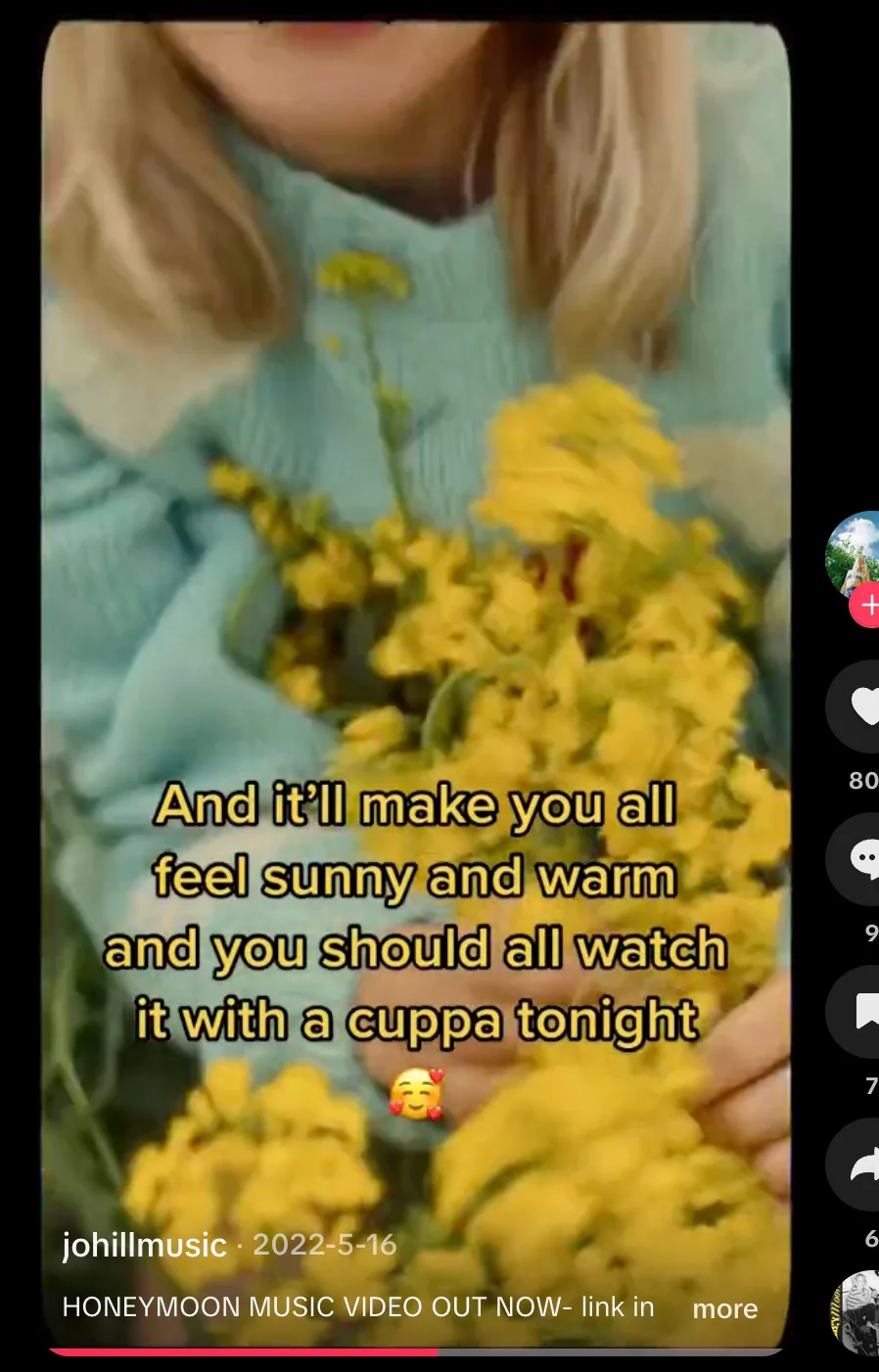
UK country artist Jo Hill ran a layered campaign that combined organic TikTok content, Meta ads, and TikTok ad boosts for her single “Honeymoon.” The campaign generated 150,000 Spotify streams in the first month, rising to 175,000 by the sixth week. The win came from amplifying videos that already performed organically, rather than launching cold creative from scratch.
2. Kenya Grace: “Strangers” (Organic Hook → Amplification)
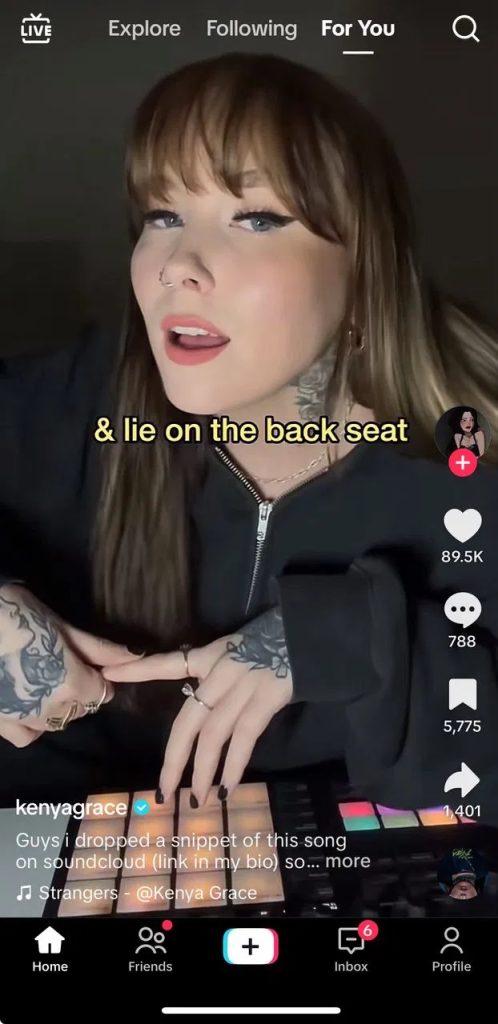
British artist Kenya Grace shared a rough snippet of her self-produced track “Strangers” on TikTok, and within weeks the song went viral and reached number one on the UK charts. She wrote, produced, and sang it herself, and the platform pushed it to a mass audience once the hook connected.
It’s the clearest illustration of the principle behind every music ad strategy: the platform validates the hook first. “Strangers” wasn’t built in Ads Manager; it earned organic traction, and that traction is exactly what a Spark Ad campaign is designed to put budget behind. For independent artists, the lesson is the sequence: post the hook, watch what lands, then amplify the proven winner rather than gambling spend on untested creative.
3. Doja Cat: “Say So” Hashtag Challenge
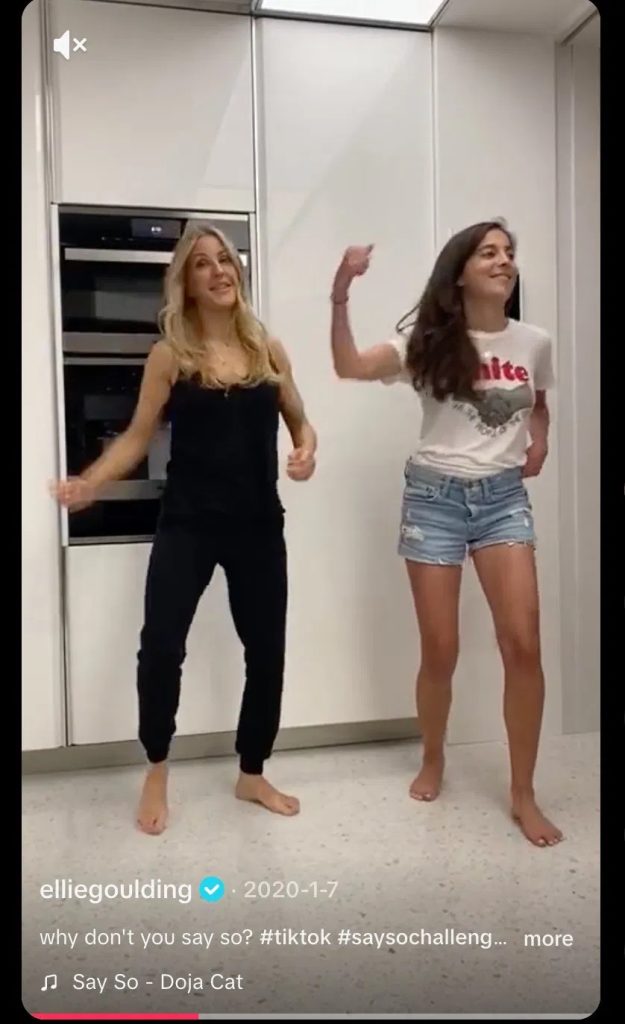
Larger artists and labels turn a song’s catchiest moment into a Branded Hashtag Challenge built around a repeatable dance or lyric. The clearest music example is Doja Cat’s “Say So”: the #SaySoChallenge dance was created by TikTok user Haley Sharpe (@yodelinghaley) in late 2019, then spread across the For You feed as thousands of users posted their own versions using the sound. That aggregate of user videos, not any single post, is what broke the song on TikTok and helped carry it onto the charts.
Labels apply the same pattern to artist launches: anchor a tag to a recognizable move or lyric, seed it through creator partnerships, and let participation compound. The format turns passive listeners into active participants, which is why music-driven challenges generate far more reach than a standard branded post.
Best TikTok Ad Formats for Musicians
Spark Ads
Spark Ads boost existing organic TikTok posts while keeping the likes, comments, shares, and follows associated with the original video. Industry data show that Spark Ads significantly outperform standard ads in both click-through rate and engagement. For musicians, this format is almost always the right choice because the ad continues earning engagement long after the spend ends.
Artists typically post several organic clips first, wait to see which ones gain initial traction, then put budget behind the strongest performer. This approach avoids gambling on untested creative and lets the algorithm do early validation work for free.
In-Feed Ads
In-Feed Ads appear between organic posts in the For You feed. They support standard video uploads and work well for promoting a new single release, tour announcement, or merch drop. The trade-off is that engagement does not flow back to your TikTok profile the way it does with Spark Ads.
Branded Hashtag Challenges
Hashtag challenges invite users to create their own videos using a sound or theme. For musicians, this format turns passive listeners into active participants by encouraging duets, dance trends, or lip-sync videos built around the track.
Creative Tips That Make TikTok Music Ads Work
Front-Load the Hook
TikTok users decide within three seconds whether to keep watching. Place the catchiest moment of the song at the very start. Drop the intro buildup and lead with the chorus or strongest melody line.
Make It Feel Like a Real Post
The best music ads look like something a fan or creator would post for free. Avoid heavy branding, polished cinematic shots, or anything that signals a paid placement. Text overlays should look as if they were typed directly in the TikTok editor, not designed in Photoshop.
Use Trend-Aligned Visuals
Lyric overlays, behind-the-scenes studio clips, hands-only content, and visualizers all perform well. The visuals should support the song’s feeling, not explain it.
Keep It Short
Fifteen to thirty seconds is the sweet spot for music ads. Longer videos rarely outperform tighter cuts when the goal is sound adoption and discovery. Trim aggressively and lead with your strongest second.
TikTok Ads for Musicians: Summary Table
| Ad Format | Best For | Strength | Trade-Off |
| Spark Ads | Most music campaigns | Native feel, engagement compounds on original post | Caption locked to original |
| In-Feed Ads | New release pushes | Direct CTA to streaming platforms | No organic engagement carryover |
| Hashtag Challenges | Trend creation and fan participation | User-generated content at scale | Requires existing reach |
How GetHookd Helps Musicians Win With TikTok Ads
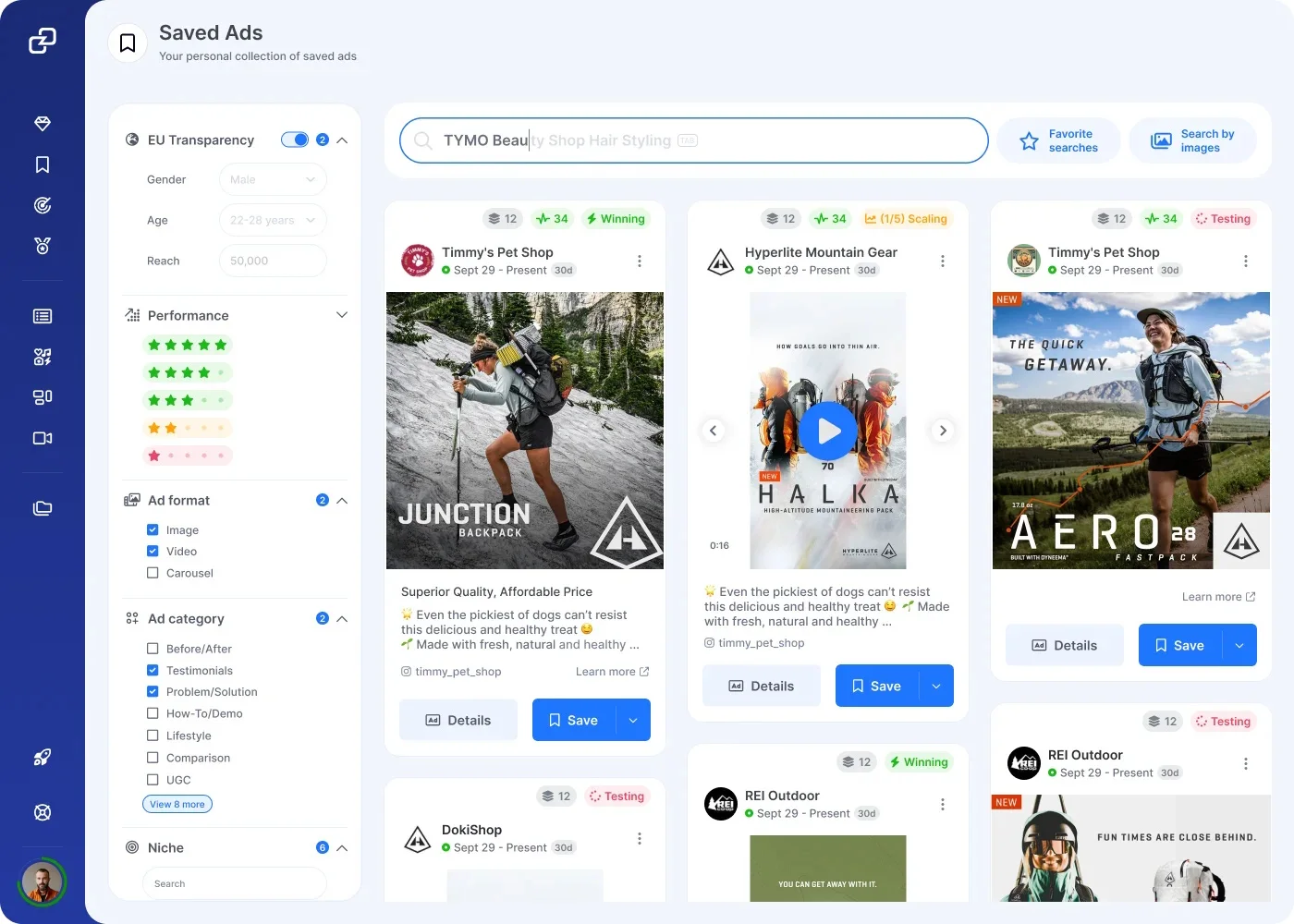
The strongest TikTok ad campaigns for musicians share a clear pattern: start with organic content that proves a hook connects, then amplify the winning clip through Spark Ads with tight targeting and short, native-feeling creative. Artists who skip the organic validation step or lean on polished, ad-heavy production tend to waste budget regardless of how well their song is mixed.
But knowing the pattern isn’t the same as knowing which hooks and angles are already winning in your niche. That’s the gap GetHookd closes. We give musicians, labels, and marketing teams ad intelligence across 65 million ads, with Brand Spy showing which campaigns competitors are scaling and our Creative Analyzer and Video Scripts tools turning proven patterns into testable variations in seconds. The result is less guesswork and fewer wasted tests. Validate the hook organically, then let the data decide where your budget goes. Start your free GetHookd trial today.
Frequently Asked Questions (FAQs)
How much should a musician spend on TikTok ads?
TikTok requires a minimum of twenty dollars per day per ad group. Most independent artists start with $100-$300 per campaign to gather meaningful data. Larger releases scale to thousands once early creative tests prove a hook connects with the target audience.
Do I need a TikTok Artist Account to run music ads?
You need a TikTok Ads Manager account and a linked business or personal TikTok profile to run Spark Ads. A certified TikTok Artist Account unlocks additional analytics through TikTok for Artists and pre-save campaign features. Most distributors, such as DistroKid and TuneCore, can help verify your artist status.
Can TikTok ads alone make a song go viral?
No. Paid spend amplifies songs that already show organic traction. If none of your organic videos using the sound perform, ads will not create momentum from nothing. Post several organic clips first, then put budget behind the strongest performer once a clear winner emerges.
How long should a TikTok music ad be?
Fifteen to thirty seconds works best for music promotion. Front-load the catchiest part of the song in the first three seconds, since viewers decide quickly whether to keep watching. Shorter clips with strong hooks typically outperform longer videos with slower buildups.
How does GetHookd help musicians research winning TikTok ads?
GetHookd gives musicians, labels, and marketing teams ad intelligence across 65 million ads through Brand Spy, Creative Analyzer, and AI-powered tools like Clone Ads and Video Scripts. GetHookd shows which competitor creatives are scaling, then helps artists turn proven concepts into testable variations faster across TikTok and Meta campaigns.
*Note: Pricing and/or product availability mentioned in this post are subject to change. Please check our website for current pricing and stock information before making a purchase.