Key Takeaways
- Instagram is one of the most competitive paid channels for ecommerce because users are in a browsing mindset, but rising CPMs make untested creative expensive fast.
- Most brands lose money by scaling a single ad before validating it, mixing audience temperatures in one campaign, and refreshing creative based on gut instead of what’s already winning in the feed.
- The fix is to study what competitors are actively scaling and turn those patterns into structured tests, using tools like GetHookd alongside your normal Meta Ads Manager workflow.
- Typical ecommerce benchmarks land at $0.50 to $2.00 CPC, $5 to $15 CPM, and $8 to $80+ per purchase, so a 30% creative win compounds far faster than a 30% budget bump.
- GetHookd decodes which Instagram ads competitors are actually scaling, breaks down their hooks, formats, and landing pages, and feeds those insights into AI script generation so you ship more testable variations per week.
Instagram Ads for E-commerce: Examples, Costs & Winning Strategies
The Instagram ads that move ecommerce inventory fall into three patterns: a single product image with a proof-driven hook and clear CTA, a carousel that walks shoppers through a coordinated collection, and a Reel that opens mid-action and lets the product sell itself before the offer appears. Which format fits depends on your catalog size, margin, and how much native video your team can realistically ship per week.
Instagram has quietly become the highest-intent paid social channel for ecommerce, with Shops, Reels, and creator-style placements pulling buyers deeper into discovery than they have in years. That’s also why generic creatives get buried fast.
If you’re running ecommerce ads on Instagram, the examples, cost benchmarks, and tactics in this guide show you what’s working in 2026 and where most brands are leaving spend on the table.

GetHookd: Turn Competitor Intelligence Into Your Next Winning Ad
GetHookd reveals which ads your competitors are actively scaling—not just running. Spy on their best-performing creatives, landing pages, and traffic strategies, then turn proven concepts into testable campaigns in seconds with AI-powered script generation and creative cloning.
What You Get:- ✓ Brand Spy to decode competitor ad strategies in real-time
- ✓ AI script generation and ad cloning for instant variations
- ✓ Performance scoring based on actual ad behavior, not vanity metrics
- ✓ Creative Analyzer to identify and scale your top performers
Real Instagram Ad Examples That Drive Ecommerce Sales
Understanding formats is one thing; seeing how they actually work in real campaigns makes the strategy much clearer. Below are three common high-performing structures used by e-commerce brands on Instagram.
High-Performing Product Photo Ad Example
A skincare brand runs a simple single-image feed ad with a clean product shot and a strong hook like “Sold out 3 times. Back in stock.” The caption opens with a relatable problem, then quickly highlights key benefits and ends with a direct “Shop Now” CTA.
This works because it combines urgency, social proof, and clear benefits in a format that’s easy to understand at a glance.
Carousel Ad Example for Multi-Product Stores
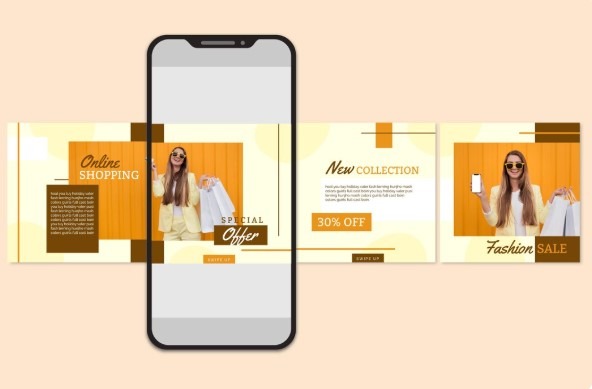
A home goods brand uses a multi-card carousel to showcase a coordinated collection, with each card showing a product styled in a real home environment. The first card sets the tone with a value-driven headline, while the rest highlight individual items and their use in context.
The final card drives action with a “Shop the Collection” CTA. This structure keeps users swiping, increases engagement, and naturally guides them toward buying multiple items instead of just one.
Reels Ad Example That Converts
A fitness apparel brand uses a short-form video that starts directly in action, with no intro or branding. The product is shown being used in a real workout, highlighting fit and performance visually. A simple text overlay introduces the key benefit, followed by a discount and a clear call to action at the end.
This format works because it feels native to Reels content, it shows the product in use first, builds interest quickly, and only then introduces the offer, making the ad feel less like a pitch and more like proof.
How Much Do Instagram Ads Cost for E-commerce?
Instagram ads don’t have fixed pricing because they run on an auction system. Costs depend on audience, creative quality, competition, and timing, which means results vary by setup rather than budget alone.
For most e-commerce campaigns, CPC is typically $0.50 to $2.00, while competitive niches like e-commerce, finance, real estate, and beauty can range from $0.60 to $2.20 per click. CPM usually sits between $5 and $15, though it can rise during high-demand shopping periods.
Cost per acquisition varies based on product pricing and margins. Many lower to high range products perform well at around $8 to $80+ CPA.
What Makes E-commerce Ad Costs Go Up or Down
Costs increase when competition is higher, especially with narrow audiences where more advertisers are targeting the same users. Broader, well-optimized targeting can often reduce overall costs.
Creative quality also has a direct impact; ads that generate strong engagement tend to get better delivery and lower CPCs over time.
Seasonality is another key factor. Costs usually rise during peak shopping months, while off-peak periods often provide more efficient testing conditions.
Which Instagram Ad Tips Actually Get You More Sales for Less Money?
Strategy matters more than budget on Instagram. The ecommerce brands seeing strong ROAS aren’t always spending more; they’re testing smarter, refining creatives, and letting data guide decisions instead of guesswork.
These tips focus on what actually improves performance in real campaigns, not theory.
1. Target a Specific Audience, Not Everyone
Broad targeting often performs better than overly narrow setups because it gives the algorithm more room to find buyers. That said, it still needs direction. Start with a clear interest or a strong customer-based lookalike, then let optimization do the rest. Avoid extremely small audiences, as they tend to limit performance and raise costs quickly.
2. Keep Text Minimal on Your Ad Creative
Instagram is visual-first, and cluttered designs usually reduce performance. If you need to communicate discounts or offers, place them in the caption rather than overcrowding the image. Clean, simple creatives tend to hold attention longer and perform more consistently.
3. Test Multiple Creatives Before Scaling
Never scale a single idea too early. Running multiple creative variations helps identify what actually drives results. Different hooks, visuals, and angles often perform very differently, and the winning version isn’t always the most obvious one.
4. Start With Automatic Placements
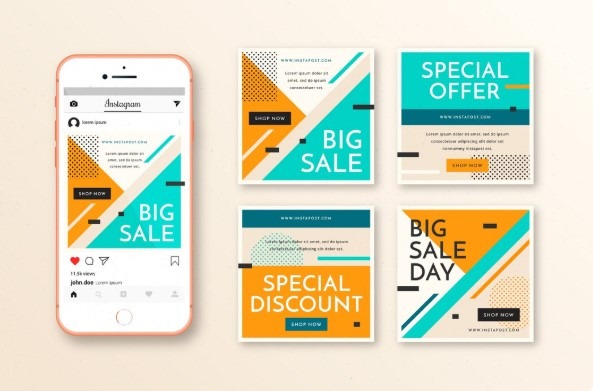
Starting with broad placements gives the system more data to optimize delivery. Limiting placements too early can restrict performance and increase costs. Once enough data is collected, you can then refine based on what performs best.
5. Match Your Ad Objective to Your Funnel Stage
Different audiences need different messages. Cold audiences respond better to awareness-focused content, while warm audiences need stronger conversion signals. Treating every user the same often leads to higher costs and weaker real results.
6. Run Ads During Peak Shopping Periods
Timing impacts performance. During major shopping seasons, demand increases, but so does competition. Brands that prepare early by building audiences ahead of peak periods often perform better when costs rise later.
7. Benchmark Your Results Against Industry Averages
Without benchmarks, it’s hard to know what’s working. Strong engagement and conversion rates depend on your niche, but comparing against typical performance ranges helps you quickly identify whether the issue is creative, targeting, or landing page related.
Turn Ad Strategy into Consistent E-commerce Growth with GetHookd
The winning Instagram ads for ecommerce aren’t theoretical. They’re already running in your niche right now, and the brands beating you on ROAS are the ones who spotted those patterns first and turned them into tested variations the same week.
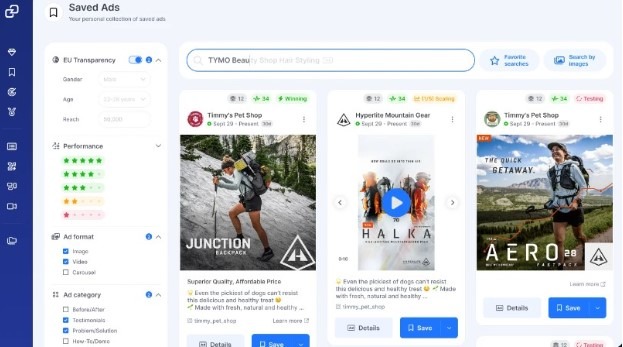
GetHookd is built for that workflow. It surfaces which competitor ads are actively scaling, breaks down the hook, format, and landing page behind each one, and feeds the patterns into AI script generation so your media buyers spend less time guessing and more time launching tests that have a real chance.
Start finding winning ads today.
Frequently Asked Questions (FAQs)
How Much Should an E-commerce Store Spend on Instagram Ads Per Month?
A practical starting point for most e-commerce stores is a monthly budget that allows consistent testing across a few campaigns without spreading spend too thin. This gives enough room to understand what’s working while avoiding rushed decisions based on limited data.
Are Instagram Ads Worth It for Small E-commerce Businesses?
Instagram ads can work well for small ecommerce brands when treated as a learning and testing process rather than expecting immediate results. The platform is especially useful for product-based businesses with clear branding or niche audiences. Smaller brands also benefit from faster testing cycles, allowing them to quickly learn what works and refine their approach more efficiently than larger teams.
What Is the Best Instagram Ad Format for E-commerce?
There’s no single best format for every situation, but shopping-focused ads are often strong for direct conversions, short-form video works well for reaching new audiences, and carousel ads are effective for showcasing multiple products or variations. Many stores see better results by starting with one simple format first and expanding only after understanding what performs best.
How Long Does It Take for Instagram Ads to Show Results?
Instagram ads typically need time before performance becomes clear, as early results can be inconsistent while the system learns and adjusts delivery. Over time, performance usually becomes more stable if the creative and product fit are strong. It’s important not to evaluate campaigns too quickly, since early data doesn’t always reflect long-term outcomes.
How Can E-commerce Brands Improve Instagram Ad Performance Faster?
Improving Instagram ad performance is about learning from what already works and using those insights to guide faster, smarter creative testing instead of guessing. When brands consistently analyze winning ads and refine their approach, they waste less budget and make better decisions. Tools like GetHookd help speed this up by showing what competitors are scaling and breaking down high-performing creatives into simple, actionable insights.
*Note: Pricing and/or product availability mentioned in this post are subject to change. Please check our website for current pricing and stock information before making a purchase.