Key Takeaways
- Creator-led UGC ads remain one of the most effective TikTok formats because they build trust through authentic recommendations and feel nearly identical to the content users already consume in their feeds.
- Product demonstration ads perform best when they show a clear transformation or result quickly, giving viewers immediate proof that a product solves a real problem.
- Problem-solution and search-intent ads succeed by aligning with existing user needs, either by addressing a recognizable pain point or by answering questions people are actively searching for on TikTok.
- Trend-based challenge ads and storytelling ads generate strong engagement for different reasons: trends capitalize on existing audience momentum, while narrative-driven content creates stronger emotional connections and brand recall.
- GetHookd helps advertisers uncover winning creative angles by analyzing 65M+ ads, making it easier to identify proven hooks, study competitor strategies, and turn successful concepts into new campaigns.
What You Need to Know About TikTok In-Feed Ads
The most effective TikTok in-feed ads in 2026 don’t look like ads at all. They live on the For You Page alongside organic videos and win by feeling native. The six formats that consistently outperform polished brand creative are creator-led UGC, product demonstrations, problem-solution videos, search-intent content, trend-based challenges, and storytelling ads.
Whichever format you run, the same three elements decide whether it works. It starts with the first two seconds: a bold visual, an unexpected statement, a direct question, or raw curiosity has to stop the scroll, or the rest of the budget is wasted. From there, native-feeling content carries the day: handheld footage, natural lighting, direct-to-camera delivery, and trending audio consistently beat overproduced creative because users instantly sense what doesn’t belong. And it closes on a clear call to action that reads as a natural next step, like “See how it works” or “Grab yours before it’s gone,” rather than a hard “Buy Now.” On TikTok, relevance and execution matter more than production value.
We break down all six formats below, with examples and a summary table for quick comparison. GetHookd makes finding what works easier, surfacing proven hooks and winning angles from 65M+ analyzed ads before you commit a dollar of spend.

GetHookd: Turn Competitor Intelligence Into Your Next Winning Ad
GetHookd reveals which ads your competitors are actively scaling—not just running. Spy on their best-performing creatives, landing pages, and traffic strategies, then turn proven concepts into testable campaigns in seconds with AI-powered script generation and creative cloning.
What You Get:- ✓ Brand Spy to decode competitor ad strategies in real-time
- ✓ AI script generation and ad cloning for instant variations
- ✓ Performance scoring based on actual ad behavior, not vanity metrics
- ✓ Creative Analyzer to identify and scale your top performers
The Best TikTok In-Feed Ad Examples in 2026
1. Creator-Led UGC Ads
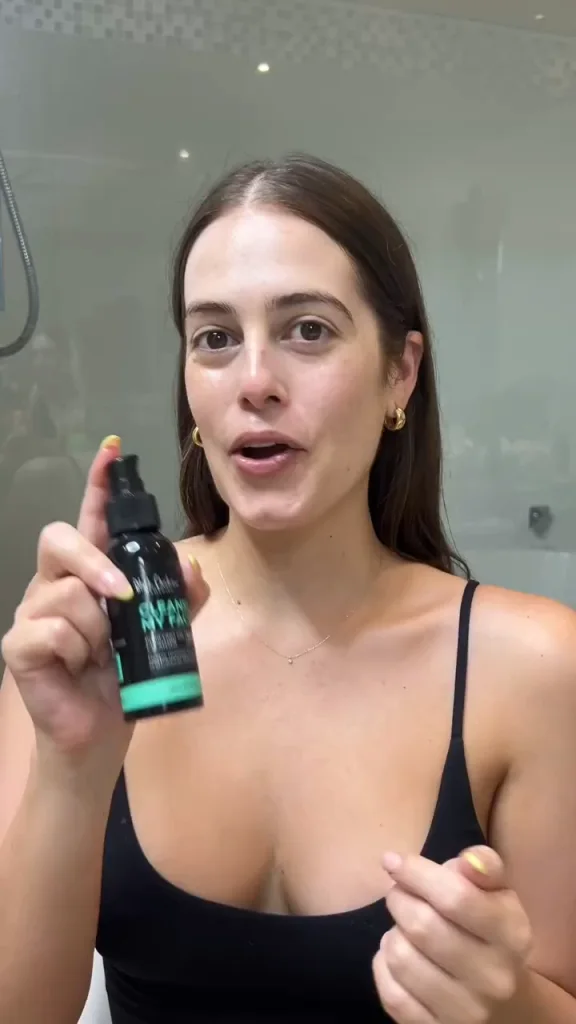
User-generated content ads are the closest thing to a guaranteed format on TikTok right now. These are videos made to look like organic creator content.
Think someone talking directly to the camera, sharing a genuine reaction, reviewing a product in their own space. The brand stays in the background, while the creator’s voice drives everything.
What makes creator-led UGC so effective is trust. When a real person demonstrates a product in their kitchen, car, or gym, it provides social proof that studio shoots can’t replicate.
2. Product Demonstration Ads
Product demo ads work because they answer the viewer’s most immediate question: Does this actually do what it says? The format is straightforward. You show the product being used in real time, ideally solving a visible, relatable problem.
The best product demo ads on TikTok lean into transformation. Before-and-after structures, side-by-side comparisons, and satisfying process reveal all tap into the same psychological hook that makes cleaning videos and cooking content so addictive on the platform.
Timing is critical in a demo ad. Front-load the most visually compelling moment, whether that’s the end result, the most dramatic step, or the product’s key differentiator. Then walk backward from there.
If your product’s best moment comes at the 20-second mark, restructure the ad so that moment appears within the first three seconds as a teaser or hook, then loops back to the full story.
3. Problem → Solution Ads
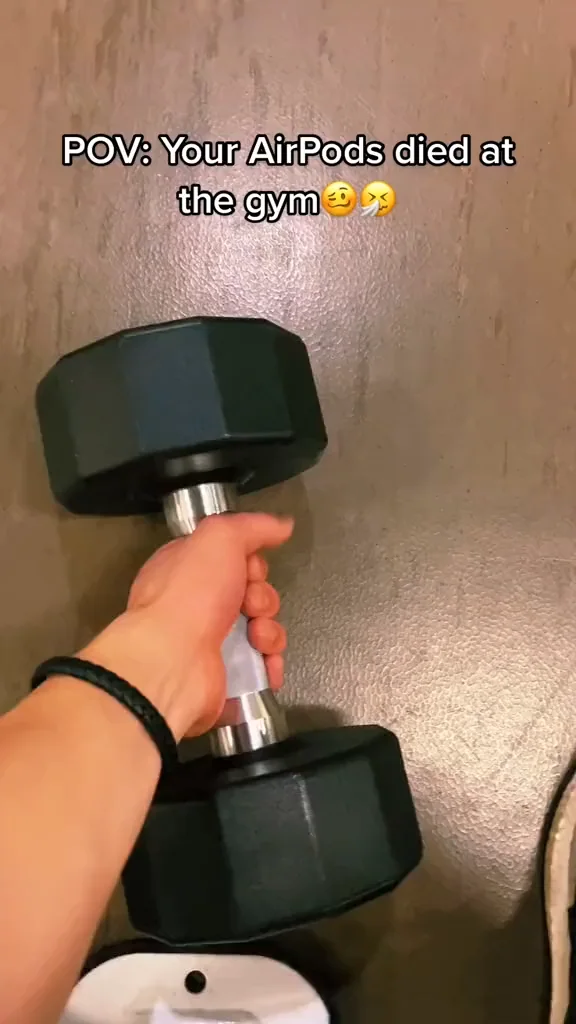
The problem-solution ad format follows a tight three-part structure: open with a pain point the target audience instantly recognizes, escalate it slightly to deepen the emotional investment, then introduce the product as the obvious, almost inevitable answer. When it’s executed well, the viewer feels like they discovered the solution themselves rather than being sold to.
The key mistake brands make with this format is rushing to the solution. If you introduce your product before the audience has had a moment to feel the problem, the emotional hook never lands, and the ad performs like a standard commercial.
Give the pain point room to breathe. Even five seconds of relatable struggle is enough to set the solution up for maximum impact.
4. Search-Intent Ads
TikTok isn’t just a social platform anymore. It’s a search engine, and the most forward-thinking advertisers are building in-feed ads specifically designed to intercept that search behavior.
Search-intent in-feed ads are structured around the exact language people use when they search TikTok for information. That means titles and opening lines like “The best moisturizer for oily skin under $20,” “How I fixed my sleep in 7 days,” or “Why your Facebook ads stopped working.”
The ad is positioned as content that answers a specific query, and TikTok’s search algorithm surfaces it accordingly. This approach is especially powerful for brands in crowded categories where organic discovery is competitive.
5. Trend-Based Challenge Ads
These ads borrow the energy of trending audio, viral formats, or popular challenges and apply them to a brand message. The key is speed and relevance.
Jumping on a trend two weeks after it peaked does more damage than good. It signals that a brand is chasing rather than participating. When the timing is right, though, trend-based ads can generate engagement rates that far exceed standard in-feed placements.
6. Storytelling Ads
If product demos are about showing, and problem-solution ads are about feeling, storytelling ads are about connecting. Connection is the highest-value outcome you can create in a 15-second video.
Storytelling in-feed ads follow a mini narrative arc. A character is introduced, faces a challenge, and reaches a resolution, with the product woven into the journey. This format works especially well for lifestyle brands, mission-driven companies, and products tied to identity or transformation.
Storytelling ads tend to have longer view times and stronger brand recall than other formats, making them ideal for awareness campaigns where the goal is impression quality over immediate conversion. Pair them with a retargeting campaign using a conversion-focused format for a two-step funnel that covers both ends of the purchase decision.
Effective TikTok In-Feed Ads Examples: Summary Table
| Ad Type | Core Strength | Best For | Key Success Factor |
| Creator-Led UGC Ads | Authentic trust signals and built-in social proof | Brands building credibility with skeptical audiences | A real creator voice driving the content while the brand stays in the background |
| Product Demonstration Ads | Visual proof that the product actually works | eCommerce products with a clear, visible benefit | Front-loading the most compelling moment within the first three seconds |
| Problem → Solution Ads | Emotional resonance through relatable pain points | Products solving a specific, recognizable issue | Letting the problem breathe before introducing the solution |
| Search-Intent Ads | Capturing high-intent viewers actively searching for answers | Crowded categories where organic discovery is tough | Mirroring the exact language people type into TikTok search |
| Trend-Based Challenge Ads | Borrowed momentum from viral audio and formats | Brands chasing fast reach and short-term engagement spikes | Acting while the trend is still climbing, never after the peak |
| Storytelling Ads | Stronger brand recall and longer view times | Awareness campaigns for lifestyle or identity-driven brands | A clear narrative arc with the product woven in naturally |
Turn Ad Inspiration Into Your Next Scalable Creative With GetHookd
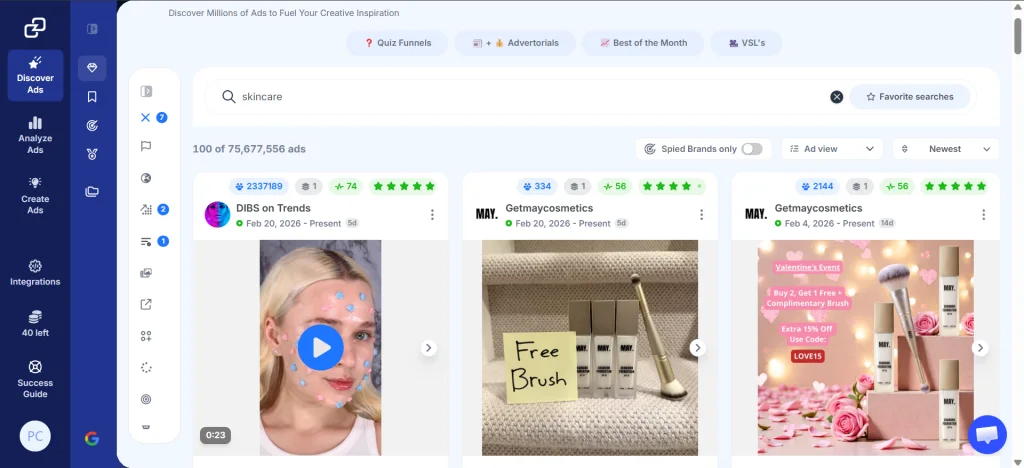
Effective TikTok in-feed ads share a common DNA: strong hooks, native feel, and creative formats built around the way people actually scroll. Creator-led UGC, product demonstrations, problem-solution narratives, and trend-based challenges all rely on the same core principles to drive performance. The harder challenge is translating that inspiration into scalable ads that consistently win in your own account.
At GetHookd, we built our platform for media buyers, agencies, and eCommerce operators who want a structured way to research, analyze, and build winning creatives. Our database indexes over 65 million high-performing ads across Meta, giving our users a clear view of which creatives competitors are scaling and which hooks are converting. We also provide AI-powered tools like our Video Scripts generator, Ads Transcription, and Clone Ads to help our users turn proven concepts into testable creatives in minutes.
Frequently Asked Questions (FAQs)
What is the ideal length for a TikTok in-feed ad in 2026?
The ideal length for a TikTok in-feed ad in 2026 is between 9 and 15 seconds for most campaign objectives. This window is short enough to feel native in the feed but long enough to deliver a hook, a core message, and a clear CTA. Storytelling and educational formats can run longer when the content genuinely holds attention throughout.
How much does it cost to run TikTok in-feed ads?
TikTok in-feed ads operate on a bidding system, so the actual cost per result varies significantly based on your industry, targeting, bidding strategy, and creative quality. For smaller budgets, starting with a modest daily spend per ad group is enough to identify what’s working before scaling spend on the winners.
What is the difference between in-feed ads and Spark Ads on TikTok?
In-feed ads are created directly within TikTok Ads Manager as standalone paid content, while Spark Ads boost existing organic TikTok content (your own or a creator’s, with their permission) as a paid placement. Both formats appear natively in the For You Page feed and look nearly identical to the viewer, but Spark Ads retain the original post’s likes, comments, and shares for added social proof.
How do you measure the success of a TikTok in-feed ad?
The right success metrics depend on your campaign objective, but the core indicators for in-feed ads are video completion rate, click-through rate, cost per click, and, for your conversion goal, cost per result. Video completion rate is especially telling on TikTok because it reveals how effectively your creative holds attention from the hook to the CTA.
Can GetHookd help me build creatives for TikTok in-feed ads?
GetHookd’s ad database is built around Meta, but the creative principles powering high-performing Meta videos translate directly to TikTok in-feed campaigns. Our users study which hooks, formats, and angles are scaling on Meta, then use tools like our Ads Transcription and Video Scripts generator to adapt those proven frameworks into TikTok-ready scripts. This gives media buyers and eCommerce teams a faster, more structured way to build creatives that hold up across platforms.
*Note: Pricing and/or product availability mentioned in this post are subject to change. Please check our website for current pricing and stock information before making a purchase.