Key Takeaways
- Instagram is where most diners decide where to eat next, scrolling food content visually and acting on impulse rather than searching with intent.
- Restaurants that post pretty photos without paid distribution and audience layering rarely fill tables, because organic reach on Instagram keeps shrinking and Meta now rewards advertisers who feed its AI the right signals.
- The three ad formats that consistently book reservations in 2026 are high-impact food visuals, limited-time offer ads, and short-form video, and GetHookd shows which of these formats competing restaurants are actively scaling on Meta right now.
- Layered targeting matters as much as creative: cold local audiences feed the top of the funnel, warm engaged users bring repeat traffic, and high-intent retargeting closes 3x to 5x more bookings per dollar than cold traffic alone.
- GetHookd analyzes 65M+ Meta and Facebook ads, surfaces the exact creatives competitors are scaling, and turns those patterns into testable restaurant ads in seconds with AI script generation and ad cloning.
How Restaurant Instagram Ads Actually Drive Bookings in 2026
The three Instagram restaurant ad formats booking the most tables in 2026 are high-impact food visuals, limited-time offer ads, and short-form video. Food visuals stop the scroll with sharp, well-lit shots that trigger immediate cravings, limited-time offers use seasonal or weekend scarcity to push diners from “maybe later” to booking now, and short-form video stacks motion, sound, and texture to outperform static images on engagement and cost-per-click. Which one to lead with depends on whether you need new diners, faster decisions on a current promotion, or stronger brand pull on Reels.
Restaurant marketing on Instagram has shifted from broadcasting menu photos to running performance campaigns that compete for the same hungry locals every weekend. The restaurants winning that fight are the ones reading the room, watching what competitors scale, and copying the structure of ads that already work.
If you run paid Instagram for a restaurant or an agency client, this guide breaks down what each of the three formats looks like in practice, how to target them, and how to use GetHookd to see which creatives competitors are actively scaling on Meta.

GetHookd: Turn Competitor Intelligence Into Your Next Winning Ad
GetHookd reveals which ads your competitors are actively scaling—not just running. Spy on their best-performing creatives, landing pages, and traffic strategies, then turn proven concepts into testable campaigns in seconds with AI-powered script generation and creative cloning.
What You Get:- ✓ Brand Spy to decode competitor ad strategies in real-time
- ✓ AI script generation and ad cloning for instant variations
- ✓ Performance scoring based on actual ad behavior, not vanity metrics
- ✓ Creative Analyzer to identify and scale your top performers
Example 1: The Irresistible Food Visual Ad
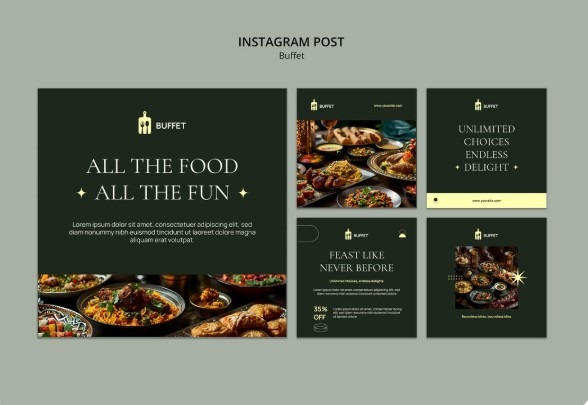
This remains one of the highest-converting restaurant Instagram ad formats because strong food visuals naturally grab attention and create instant cravings. A great photo or short ad video can stop users mid-scroll and turn casual interest into reservations or orders.
Why High-Quality Food Photography Drives Clicks and Reservations
High-quality food photography does more than make dishes look good; it shapes how people perceive the restaurant itself. Sharp, well-lit images create a sense of quality, freshness, and professionalism before someone even visits the location. On Instagram, low-quality visuals are usually skipped within seconds.
How to Frame a Single Dish to Tell a Story
The best food ads sell an experience, not just a menu item. Instead of showing a simple plated dish, focus on details like steam, melted cheese, sauce pours, or action shots that make the food feel real and satisfying. Small background elements can also help create atmosphere and emotion.
The Role of Color, Lighting, and Composition in Food Ads
Warm lighting, strong color contrast, and clean composition help restaurant ads stand out in crowded feeds. Natural-looking lighting usually performs better because it keeps the food appealing and realistic. Keeping the frame uncluttered also helps direct attention toward the main dish.
What Caption and CTA Structure Works Best With Visual Ads
Captions should stay short, clear, and focused on the offer or dish. The first line matters most because it appears before users tap “more,” so it needs to create curiosity or appetite immediately. Pair the ad with one simple CTA like “Reserve Now,” “Order Online,” or “Book a Table.”
Example 2: The Limited-Time Offer Ad
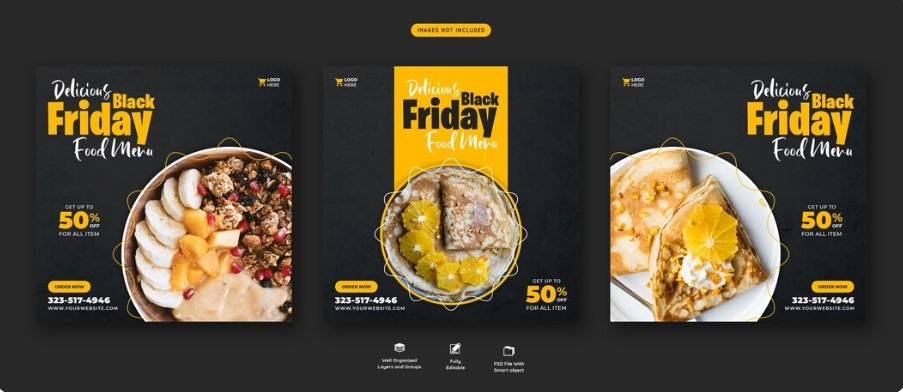
Limited-time offers work extremely well for restaurants because they create urgency and push people to make faster dining decisions. When users feel they might miss out, they are far more likely to book a table or place an order immediately.
How Urgency and Scarcity Drive Restaurant Ad Conversions
Scarcity changes the mindset from “maybe later” to “I should go now.” Seasonal dishes, weekend specials, and short-term promotions naturally create excitement and increase conversions. The limited availability itself becomes part of the marketing appeal.
Pairing a Strong Offer With the Right Audience Targeting
A strong offer performs best when paired with the right audience. Retargeting users who recently visited your website, engaged with your Instagram page, or interacted with past ads can drive quick results. Combining this with local food-interest audiences also helps expand reach while keeping ads relevant.
Real CTA Examples That Push Diners to Act Fast
Urgent ads need direct CTAs that encourage immediate action. Phrases like “Reserve Now,” “Offer Ends Sunday,” or “Order Before It’s Gone” perform better than generic buttons like “Learn More.” The goal is to give users both a reason and a deadline to act quickly.
Example 3: The Story-Driven Video Ad
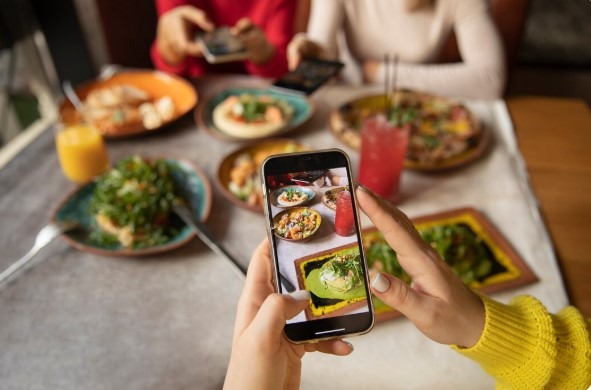
Video is now a must for restaurant Instagram ads because it consistently drives higher engagement and lower cost-per-click across Meta’s ecosystem in 2026. The best-performing ads are short, emotional, and focused on a single powerful food moment.
Why Short-Form Video Outperforms Static Images for Engagement
Short-form video captures attention through movement, which static images can’t fully replicate. Sounds like sizzling pans, pouring drinks, or crunching bites also trigger stronger sensory responses. On Instagram Reels, this makes video a top-performing format from interest to action for restaurants.
What the First 3 Seconds of Your Video Ad Must Do
The first 3 seconds decide performance. Start immediately with the most visually powerful shot, melting cheese, a dramatic pour, or a close-up texture. Avoid logos or slow intros because users scroll fast, and attention is lost instantly.
Behind-the-Scenes vs. Polished Production: Which Performs Better
Behind-the-scenes content often outperforms highly polished ads because it feels more authentic and native to Instagram. Simple iPhone footage of real kitchen or bar moments can drive strong engagement when lighting and clarity are solid. However, polished production still works best for major launches or premium menu reveals where higher quality matches the occasion.
Key Restaurant Instagram Ad Formats & What Makes Them Work
| Ad Example | Core Idea | What Makes It Effective | Key Takeaway |
| Irresistible Food Visual Ad | High-quality food images or short clips | Strong visuals trigger instant cravings and communicate quality before any text is read | Simple, well-lit food visuals can directly drive reservations or orders |
| Story-Driven Video Ad | Short, emotional food-focused videos | Movement, sound, and sensory cues create stronger engagement than static images | First 3 seconds must hook instantly with a powerful food moment |
| Limited-Time Offer Ad | Time-sensitive food promotions | Urgency and scarcity push faster decision-making and increase conversions | Clear deadlines and strong offers drive immediate action |
The Ad Targeting Strategy Behind All 3 Examples
Creative drives attention, but targeting determines performance. All three restaurant ad examples rely on layered audience targeting to turn interest into actual bookings and orders.
Location-Based Targeting for Local Diners
Location is the most important filter for restaurants, since most diners pick a place within a few miles of where they live, work, or are currently spending the day.
Using “living in or recently in this location” helps prioritize locals over travelers. For lunch-focused restaurants, targeting nearby office areas can improve daytime conversions.
Interest and Behavior Targeting to Reach Food Lovers
After location, refine audiences using food-specific behaviors. Focus on users engaging with restaurant pages, reservation apps, food creators, or relevant cuisine types.
Stronger intent signals lead to better ad relevance, lower costs, and improved delivery from Meta’s algorithm.
Retargeting Past Visitors and Engaged Followers
Retargeting delivers the highest conversion rates. People who visited your menu, engaged with Instagram, or watched your videos already know your brand.
These smaller audiences consistently produce the most efficient returns.
How to Find Winning Restaurant Ads Faster with GetHookd
The shortest path to better restaurant Instagram ads in 2026 is the one most marketers skip: study the ads competitors are actively scaling on Meta, then build your food visuals, limited-time offers, and short-form videos using the same structures that are already converting. Strong creative plus layered targeting still wins, but only after you know which patterns the market is rewarding right now.
GetHookd is built for that exact step. With 65M+ Meta and Facebook ads indexed, Brand Spy showing competitor scaling moves, and Creative Analysis breaking down what makes a winning restaurant ad work, you stop testing from a cold start and begin every campaign with a real-world baseline of what already books tables.
Spin up your next restaurant campaign on proven patterns. Get started with GetHookd and see which Instagram ads your competitors are scaling today.
Frequently Asked Questions (FAQs)
What Is the Best Instagram Ad Format for Restaurants?
Short-form video is typically the strongest format for grabbing attention and attracting new diners, while clean single-image ads work well for driving direct actions like reservations or orders. The most effective strategy is using both together, so video builds interest and visuals help convert it into action.
How Long Should a Restaurant’s Instagram Ad Run Before Seeing Results?
New campaigns need time to stabilize before performance can be properly judged, as early adjustments can interrupt learning. Most restaurants start seeing clearer direction after a short testing period, with results improving as the campaign gathers more engagement and optimizes delivery.
Can Small Independent Restaurants Compete With Chain Restaurants on Instagram Ads?
Yes, and often they perform better because authenticity, local identity, and storytelling connect more strongly with audiences than standardized messaging. Instagram rewards engagement and relevance over scale, allowing smaller restaurants with strong creative and community focus to compete effectively.
Do Instagram Ads Work Better Than Facebook Ads for Restaurants?
Both platforms can work well, but they reach slightly different audiences, with Instagram favoring visual browsing and younger diners while Facebook provides a broader reach across older demographics. Most restaurant campaigns perform best when both are used together, with performance guiding where results are strongest.
How Can Restaurants Improve Instagram Ad Performance Faster?
Restaurants improve Instagram ad performance faster by prioritizing stronger creatives, precise targeting, and learning from proven ad patterns instead of guessing what might work. GetHookd helps simplify this by showing what competitors are actually scaling across Meta ads, so campaigns can be built using real performance insights instead of assumptions.
*Note: Pricing and/or product availability mentioned in this post are subject to change. Please check our website for current pricing and stock information before making a purchase.