Key Takeaways
- Facebook Ads work for digital products because there is no inventory, shipping, or fulfillment to absorb the spend, so every dollar pushes directly into reach and conversions.
- Most digital product ads underperform because the messaging stays generic and the format does not match buyer intent, leaving warm traffic to slip away without a second touch.
- Image ads, video ads, carousel ads, and lead gen ads each handle a different stage of the funnel, and GetHookd shows which of those formats competitors are actively scaling so you can pick the one already winning in your niche.
- Average Facebook Ads costs sit at CPC $1.14, CPM $11.76, CPL $5.83, and CPA $18.68, which means a single bad creative can burn through a test budget before the algorithm finishes learning.
- GetHookd’s Brand Spy tracks 65M+ ads to surface the exact creatives, hooks, and landing pages digital product sellers are scaling on Meta right now.
Facebook Ads for Digital Products: Strategy, Formats, Costs & Optimization
Facebook Ads work well for digital products because the cost structure is built around clicks, leads, and impressions rather than physical fulfillment. The four formats that drive most of the results are image ads for low-ticket offers like templates and eBooks, video ads for courses and software, carousel ads for multi-feature storytelling, and lead generation ads for email capture before the sale. Average costs sit at CPC $1.14, CPM $11.76, and CPA $18.68, which leaves room to test if the creative earns its place.
Digital product sellers face a different math than physical brands. Margins are higher, but so is the pressure to keep creative fresh because the audience watching your ad is also watching ten others in the same niche.
The rest of this guide breaks down each ad type with examples, walks through current cost benchmarks, and covers the five tips that separate accounts that scale from accounts that stall.

GetHookd: Turn Competitor Intelligence Into Your Next Winning Ad
GetHookd reveals which ads your competitors are actively scaling—not just running. Spy on their best-performing creatives, landing pages, and traffic strategies, then turn proven concepts into testable campaigns in seconds with AI-powered script generation and creative cloning.
What You Get:- ✓ Brand Spy to decode competitor ad strategies in real-time
- ✓ AI script generation and ad cloning for instant variations
- ✓ Performance scoring based on actual ad behavior, not vanity metrics
- ✓ Creative Analyzer to identify and scale your top performers
Facebook Ad Types That Work Best for Digital Products
Not all ad formats work the same for digital products. The best choice depends on where your audience is in the buying journey, from first awareness to final decision.
Image Ads: Simple But Effective for Direct Offers
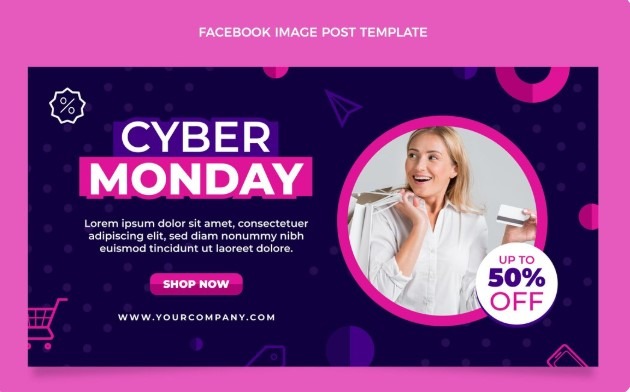
Image ads are the most straightforward format and work best for low-ticket digital products like templates, eBooks, or presets. A single strong visual with a clear message can quickly communicate what the product is and why it matters, making them ideal for fast, direct conversions when the offer is simple.
Video Ads: Show the Product in Action to Build Trust
Video ads are especially effective for higher-value digital products like courses, coaching, or software because they let you demonstrate real value. A short video that shows results, transformation, or how the product works builds trust much faster than static creatives and often leads to stronger conversion intent.
Carousel Ads: Highlight Multiple Features or Products at Once
Carousel ads allow you to present your offer in a structured, swipeable format, making them useful for storytelling or showcasing multiple benefits. You can guide users from problem to solution to results within one ad, creating a more complete and engaging product narrative.
Lead Generation Ads: Capture Emails Before the Sale
Lead generation ads are designed to collect emails directly on Facebook, making them ideal for building an audience before selling. They work well with free resources like guides or mini-courses, allowing you to nurture leads over time and convert them later through follow-ups and retargeting.
Real Facebook Ad Examples for Digital Products
Looking at real-world examples is one of the fastest ways to understand what actually works in Facebook advertising for digital products. Instead of guessing what might work, studying proven ad structures gives you a repeatable framework you can adapt for your own offers. For inspiration, check out these Facebook ad examples that have been successful.
How Shopify Uses Facebook Ads to Target Aspiring Entrepreneurs
Shopify’s Facebook ad strategy is a strong example of problem-aware targeting. Their ads lead with aspiration, financial freedom, building a business, and working independently, before introducing Shopify as the solution.
What Makes a Strong Ad Creative for eBooks and Online Courses
The best-performing creatives for eBooks and online courses focus on outcomes rather than the product itself. For eBooks, clean mockups with clear, specific titles that highlight a result tend to outperform overly designed visuals. For courses, ads work best when they include trust signals like student numbers, transformation results, or instructor credibility, often paired with short video previews of the course content.
Retargeting Ad Examples That Recover Lost Sales
Retargeting ads are often where digital product sellers see their strongest returns. These ads target people who have already visited your page or engaged with your content but didn’t convert. High-performing retargeting creatives usually address objections directly, use testimonials or social proof, or offer a simple reason to return, such as urgency or reassurance.
How Much Do Facebook Ads Cost for Digital Products
Facebook ad costs vary based on niche, audience, and creative quality, but for digital products, the key is how efficiently you turn spend into clicks, leads, and sales. Higher-ticket offers can handle higher acquisition costs, while low-ticket products need tighter margins to stay profitable.
Average Facebook Ad Costs
Facebook’s average Cost Per Click (CPC) is around $1.14, typically ranging from $0.50–$3.77, making it a cost-effective option for driving traffic to digital products. The Cost Per 1,000 Impressions (CPM) averages $11.76 ($5.00–$28.00), while the Cost Per Lead (CPL) sits around $5.83 ($1.09–$14.98). These ranges give marketers flexibility to test and optimize based on product pricing and goals.
Top Tips to Get Better Results From Facebook Ads
Running Facebook Ads for digital products comes down to strategy more than setup. The difference between losing money and scaling profitably usually comes down to a few key practices that improve targeting, messaging, and testing.
1. Lead With the Problem Your Digital Product Solves
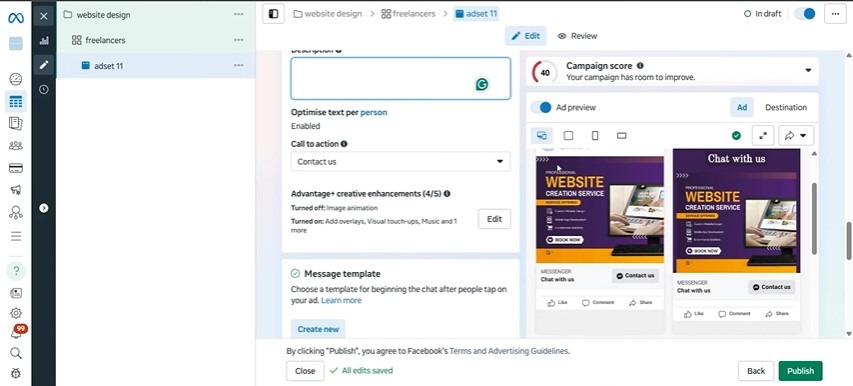
Start your ad by clearly stating a specific problem your audience already feels, not a generic one. When people instantly recognize their own struggle in your opening line, they’re far more likely to keep reading and click because the message feels directly relevant to them.
2. Use Social Proof to Build Instant Trust
Social proof makes ads more believable by showing real results from real users. Testimonials, results, or customer outcomes placed directly in your creative help reduce hesitation and make your offer feel more credible without extra explanation.
3. Match Your Ad Creative to the Audience’s Awareness Level
Different audiences need different messaging. Cold audiences respond better to problem-focused or educational content, while warmer audiences need reassurance or urgency. Structuring ads based on awareness stages helps improve relevance and conversion rates.
4. Test Multiple Ad Creatives Before Scaling Budget
Don’t rely on a single ad. Test several variations with different hooks, visuals, and angles, then let performance decide the winner. Once you identify what works, shift your budget toward that creative instead of scaling everything equally.
5. Retarget Warm Audiences With a Stronger Offer
People who have already visited or engaged with your content need a new reason to convert. Retargeting works best when you adjust the offer, add urgency, or address objections directly instead of repeating the same message they already ignored.
Turn Competitor Ad Data Into Your Next Profitable Campaign
Facebook Ads for digital products come down to picking the right format for the buyer’s awareness level, keeping costs in check with tight creative, and testing against benchmarks that actually exist in your niche. The accounts that scale are the ones treating every launch as a creative decision backed by real data, not a guess based on what worked last quarter.
That is where GetHookd earns its place in a digital product stack. Brand Spy surfaces the exact ads competitors are scaling on Meta, the Creative Analyzer breaks down the hooks and structures driving those wins, and AI script generation turns those patterns into testable variations in seconds. The result is a faster path from market signal to launched ad, with fewer rounds of expensive trial and error.
Visit GetHookd to see which Facebook Ads are scaling in your niche and turn those patterns into your next winning campaign.
Start scaling smarter with GetHookd
Frequently Asked Questions (FAQs)
How much should I spend on Facebook Ads for a digital product launch?
Start with a small, manageable budget that lets you test different creatives and audiences without overcommitting. In the beginning, the focus should be on learning what works, then gradually shifting spend toward better-performing ads. Once patterns become clear, you can scale more confidently and align spend with your product’s pricing and goals.
What is the best Facebook Ad format for selling online courses?
Video ads tend to work best for courses because they show transformation and build trust quickly. A strong ad usually highlights a problem, presents the course as the solution, adds proof like results or testimonials, and ends with a clear call to action.
How long does it take for Facebook Ads to start delivering results?
Most campaigns need some time to stabilize as the system learns and optimizes delivery. Early performance can fluctuate, so it’s important to avoid making frequent changes too quickly and instead allow enough time for data to build before adjusting.
Do I need a large following on Facebook before running ads?
No, a following isn’t required to run effective ads. Facebook Ads work independently of audience size, so even new pages can generate results. What matters more is the strength of your offer, creative, and landing page, rather than your existing followers.
How can I find winning Facebook ad ideas faster for digital products?
Instead of guessing what might work, the fastest way to improve Facebook Ads is to study proven creatives, hooks, and formats already performing in your niche. This helps you build stronger campaigns with less wasted testing. GetHookd makes this easier by showing what competitors are scaling on Meta and breaking down the patterns behind those ads so you can turn insights into better ideas faster.
*Note: Pricing and/or product availability mentioned in this post are subject to change. Please check our website for current pricing and stock information before making a purchase.