UGC Ad Optimization: Best Practices, Examples & Tools
Key Takeaways
- Define the funnel stage before briefing UGC creators; an awareness ad and a retargeting ad require completely different hooks, pacing, and CTAs.
- Write and test at least three hook variations per creative to isolate what is driving completion rate for your specific audience.
- Brief creators to lead with specific results, timelines, and product comparisons: vague social proof does not convert.
- Format every UGC ad for the platform it will run on: vertical video, ideal length, and native CTA style are not optional adjustments.
- Use GetHookd’s Explore Ads and Brand Spy to research what UGC ads are already converting in your category.
Why UGC Ad Optimization Matters More Than Ever
The average person is exposed to thousands of ads every day across social platforms. UGC works because it mirrors the organic content people actually want to consume, and that familiarity earns attention that traditional ad formats no longer can.
But the field is getting more competitive. More brands are using UGC, which means the baseline quality expectation is rising. Simply having UGC in your ad mix is no longer enough.
How you optimize it is what separates the ads that convert from the ones that drain budget quietly—whether you are a dropshipper testing new products, an e-commerce brand scaling proven offers, or an agency managing creative across multiple client accounts.

GetHookd: Turn Competitor Intelligence Into Your Next Winning Ad
GetHookd reveals which ads your competitors are actively scaling—not just running. Spy on their best-performing creatives, landing pages, and traffic strategies, then turn proven concepts into testable campaigns in seconds with AI-powered script generation and creative cloning.
What You Get:- ✓ Brand Spy to decode competitor ad strategies in real-time
- ✓ AI script generation and ad cloning for instant variations
- ✓ Performance scoring based on actual ad behavior, not vanity metrics
- ✓ Creative Analyzer to identify and scale your top performers
GetHookd: Turn Competitor Intelligence Into Your Next Winning Ad
65M+ Ads Analyzed | 4.8★ G2 Rating | 4.5★ Trustpilot Rating
Stop Guessing. Start Scaling:
GetHookd reveals which ads your competitors are actively scaling—not just running. Spy on their best-performing creatives, landing pages, and traffic strategies, then turn proven concepts into testable campaigns in seconds with AI-powered script generation and creative cloning.
What You Get:
- ✓ Brand Spy to decode competitor ad strategies in real-time
- ✓ AI script generation and ad cloning for instant variations
- ✓ Performance scoring based on actual ad behavior, not vanity metrics
- ✓ Creative Analyzer to identify and scale your top performers
Best Practices for UGC Ad Optimization
Set Clear Goals Before You Launch
Every UGC ad needs a defined objective, whether that is driving purchases, generating leads, boosting brand awareness, or reducing cart abandonment. Without a clear goal, there is no benchmark to optimize against.
A UGC video aimed at awareness looks completely different from one designed to convert a warm retargeting audience. The tone, pacing, CTA, and creator profile should all align with where the ad sits in the funnel. Mixing these up is one of the most common and costly mistakes brands make.
Hook Viewers in the First Three Seconds
Users decide within the first two to three seconds whether they will keep watching. A weak opening is a guaranteed scroll. Strong UGC hooks are immediate, specific, and either spark curiosity or address a pain point directly.
Four hook formats worth testing:
- Problem-first: “I tried every skincare product for dry skin, and nothing worked until this.”
- Contrarian: “Stop buying expensive gym equipment. Here is what actually works.”
- Result-first: “I lost 12 pounds in six weeks using just this one app.”
- Direct address: “If you work from home, you need to hear this.”
Testing multiple hooks against the same underlying creative isolates the opening as the variable, giving you clean data on what captures attention for your specific audience.
Use Social Proof Strategically
People trust other people far more than they trust brands, but not all social proof carries the same weight. Vague claims like “thousands of happy customers” get ignored. Specific proof converts.
Encourage creators to include specifics: how long they have used the product, measurable results, or comparisons to alternatives they have tried.
Write CTAs That Drive Action
A weak CTA at the end of a strong UGC ad wastes everything that came before it. Generic lines like “check us out” give the viewer no reason to move.
The best-performing CTAs tell the viewer exactly what to do and what they will get when they do it. The creator delivering the CTA in their own voice also matters. A scripted, stilted close breaks the authenticity of the entire ad.
Match the UGC Format to the Platform
Forcing the same creative across all channels tanks performance. Each platform has its own native content style and technical requirements.
| Platform | Best UGC Format | Ideal Length | Key Optimization Focus |
|---|---|---|---|
| Facebook Feed | Square or vertical video, testimonial-style | 30–60 seconds | Captions, social proof elements |
| Instagram Reels | Vertical video | 15–30 seconds | Visual quality, on-screen text |
| Facebook Stories | Vertical video, conversational | 15–20 seconds | Hook strength, minimal text |
| YouTube Ads | Story-driven, horizontal, or vertical | 15–60 seconds | Skip-proof first five seconds |
| Instagram Stories | Vertical, product-focused | 10–20 seconds | Clear CTA, product visibility |
UGC Ad Examples That Work & Why
These four examples show how different brands apply UGC ad principles across formats and tactics, and what specifically makes each one convert.
1. The Low-Pressure Testimonial
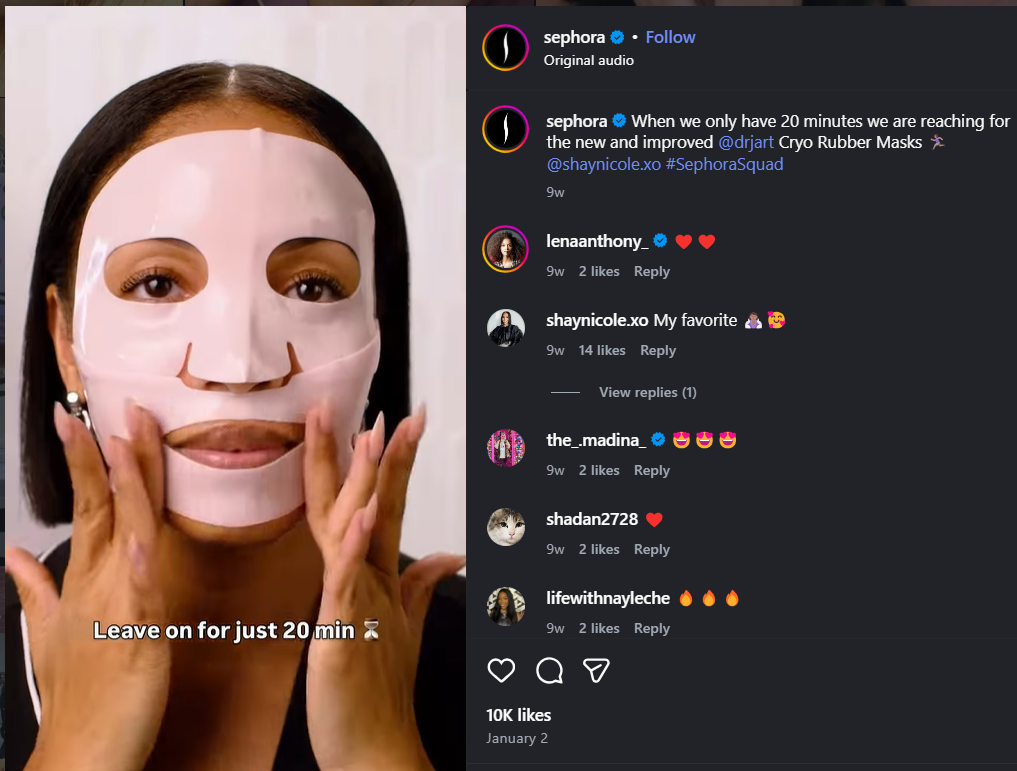
A creator speaks directly to the camera, no studio lighting, no script that sounds like a script, and walks through how a product fits into a real morning routine. The CTA lands as a suggestion rather than a pitch.
Why it works: The format removes every visual cue that signals to a viewer that they are watching an ad. Completion rates hold because there is nothing to skip past. The CTA earns trust before it asks for action, which is the opposite of most paid creative.
2. Before & After With Receipts
A creator names a specific problem in the hook (“I had hormonal acne for three years”), documents consistent product use across a timeline, and shows the result without overstating it.
Why it works: The before-and-after structure gives viewers a reason to keep watching because the payoff is built into the premise. Naming a specific problem in the hook filters for exactly the audience most likely to convert.
3. Product Demo in Context
A creator films the product being used in a real setting, narrating naturally as they go rather than reciting a script. The focus stays on the experience of using it, not the features behind it. The brand is present but never dominant.
Why it works: Demonstration beats description every time. Showing the product under real conditions answers the question a buyer actually has faster and more credibly than copy ever could. The format also travels well because viewers share it as content, not advertising.
4. The Comment Reply
A creator opens the ad with a skeptical viewer comment on screen. Something like “does this actually work or is it just marketing?” then addresses it directly to the camera. The product is not mentioned until the objection has been answered.
Why it works: The hook borrows credibility from the skepticism itself. A viewer who shares that doubt immediately recognizes the setup and keeps watching to hear the answer. It also removes the need for a traditional pitch structure because the question frames the entire video.
Tools for UGC Ad Optimization
1. GetHookd
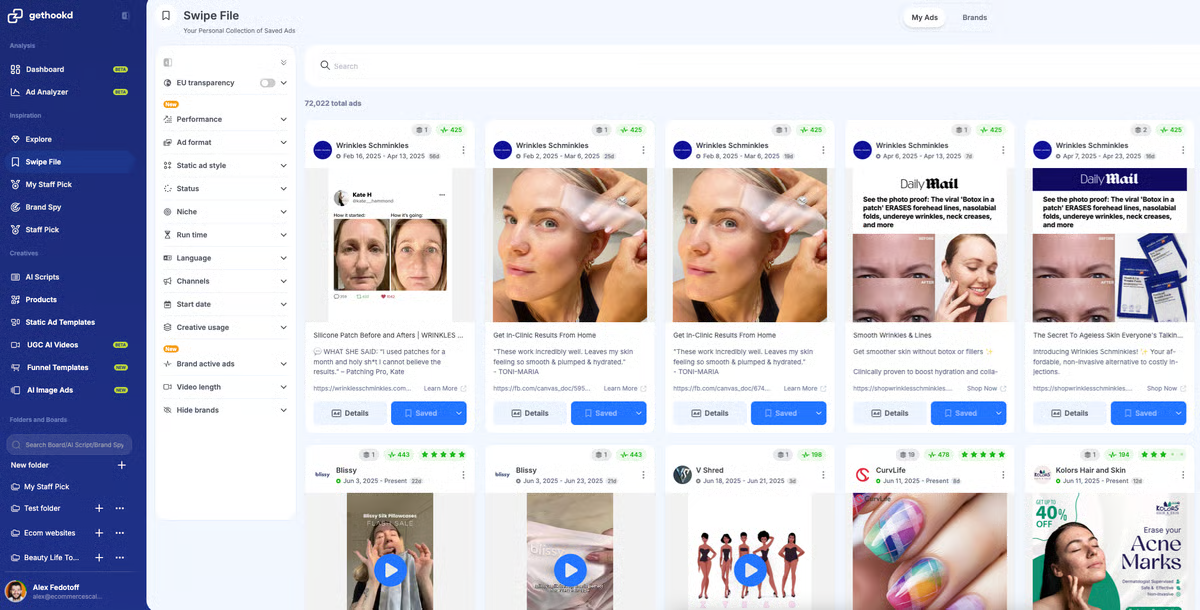
GetHookd gives performance marketers a single platform to go from competitor research to publish-ready UGC creatives. With 65M+ ads analyzed, key features include:
- Explore Ads: Surfaces what is actively running on Meta by niche, format, and engagement level.
- Brand Spy: Shows which UGC formats competitors are scaling and which hooks they keep returning to
- Ads Transcription: Breaks down winning video scripts word for word
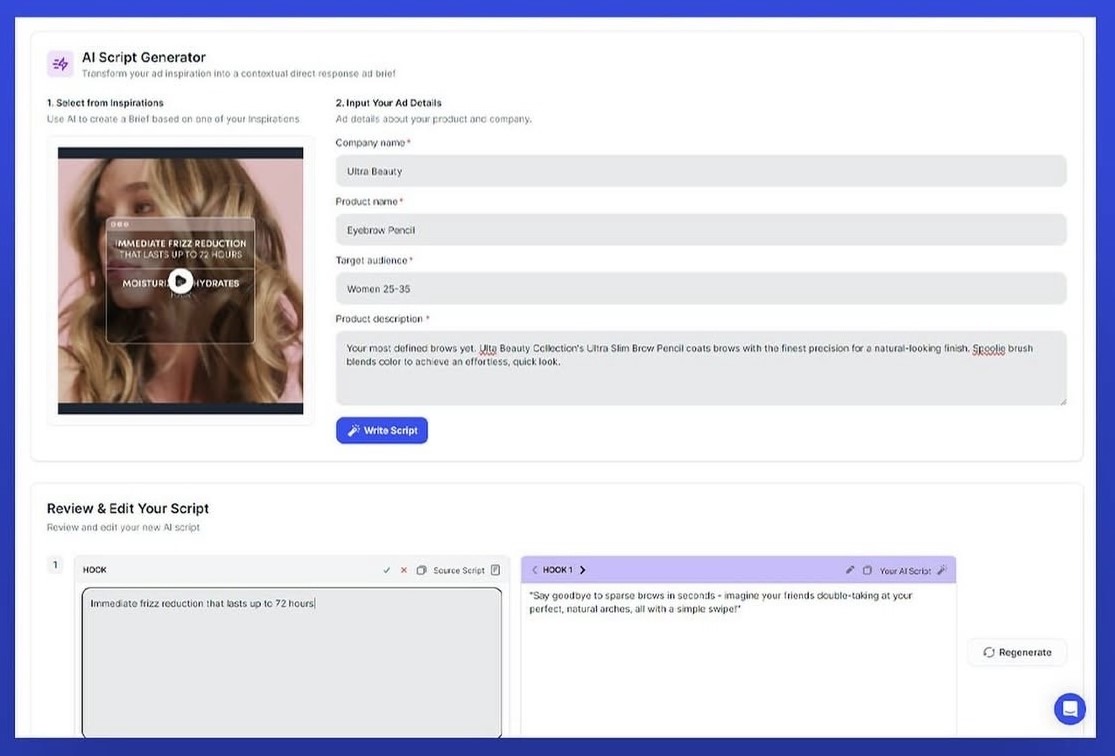
- Video Script Generator: Turns research insights into ready-to-brief creative direction
- Creative Analyzer: Identifies what is working in your existing library so you know what to scale and what to cut before budget gets wasted on the wrong formats
2. Triple Whale
Triple Whale handles attribution and spend tracking across channels. It is useful for understanding which UGC creatives are driving revenue rather than just clicks, but it does not show you what competitors are running or why a specific format is working. Best used as a measurement layer once the research and creative decisions have already been made.
3. Motion
Motion surfaces creative fatigue and format-level performance trends across your ad account. Where it adds value is in flagging when a UGC format is wearing out before spend starts dropping off. Like Triple Whale, it works from your own data only, so it does not replace a competitive research layer.
Create UGC Ads That Convert With GetHookd
Most brands hit a wall with UGC ads not because the content is bad, but because the system behind it is broken. No clear goals or feedback loop between data and creative. Just a cycle of producing content and hoping something sticks.
GetHookd gives performance marketers the research layer that most UGC workflows are missing. Explore Ads shows what is actively running on Meta across any niche. Brand Spy surfaces the formats and hooks competitors keep returning to.
Ads Transcription breaks down exactly what winning scripts say and how they say it. And Creative Analyzer tells you which of your own creatives are worth scaling before more budget gets committed to formats that have already stopped performing.
The brands that consistently win with UGC are the ones that brief from evidence and cut fast when something is not working. GetHookd is built for that process from the first search to the final decision.
Start your GetHookd free trial today!
Frequently Asked Questions (FAQs)
What is UGC ad optimization?
UGC ad optimization is the process of improving the performance of user-generated content ads through structured testing, creative analysis, and data-driven decision-making. It covers everything from how a hook is written and which format is used to how long the video runs and where the CTA lands.
The goal is to identify what is driving results at the creative level and use that information to brief better content and scale what is working.
How much does a UGC ad cost?
It depends on whether you are working with organic customers, paid creators, or AI-generated content. Paid UGC creators can charge anywhere from $100 to $500+ per video, depending on experience and deliverables.
AI avatar tools reduce that further but introduce trade-offs in authenticity. Costs can also add up quickly when briefs are vague and multiple rounds of revision are needed, which is why starting with clear creative direction saves more than it costs.
How do you create a UGC ad strategy?
Start by identifying which formats are already working in your category, then build briefs around specific hooks, formats, and CTAs rather than leaving creative direction open-ended.
Test variations systematically, track performance, and use what converts to inform the next round of briefs. GetHookd’s Explore Ads and Brand Spy give you the competitor data to ground every brief before production.
How does GetHookd’s AI help with UGC ad creation?
GetHookd’s Video Scripts feature lets you upload a winning ad, add your product details, and generate hooks, angles, and full scripts in seconds.
Ads Transcription breaks down exactly what winning video scripts say and how they say it, giving you a repeatable brief structure grounded in what is already converting in your category, not guesswork.
*Note: Pricing and/or product availability mentioned in this post are subject to change. Please check our website for current pricing and stock information before making a purchase.